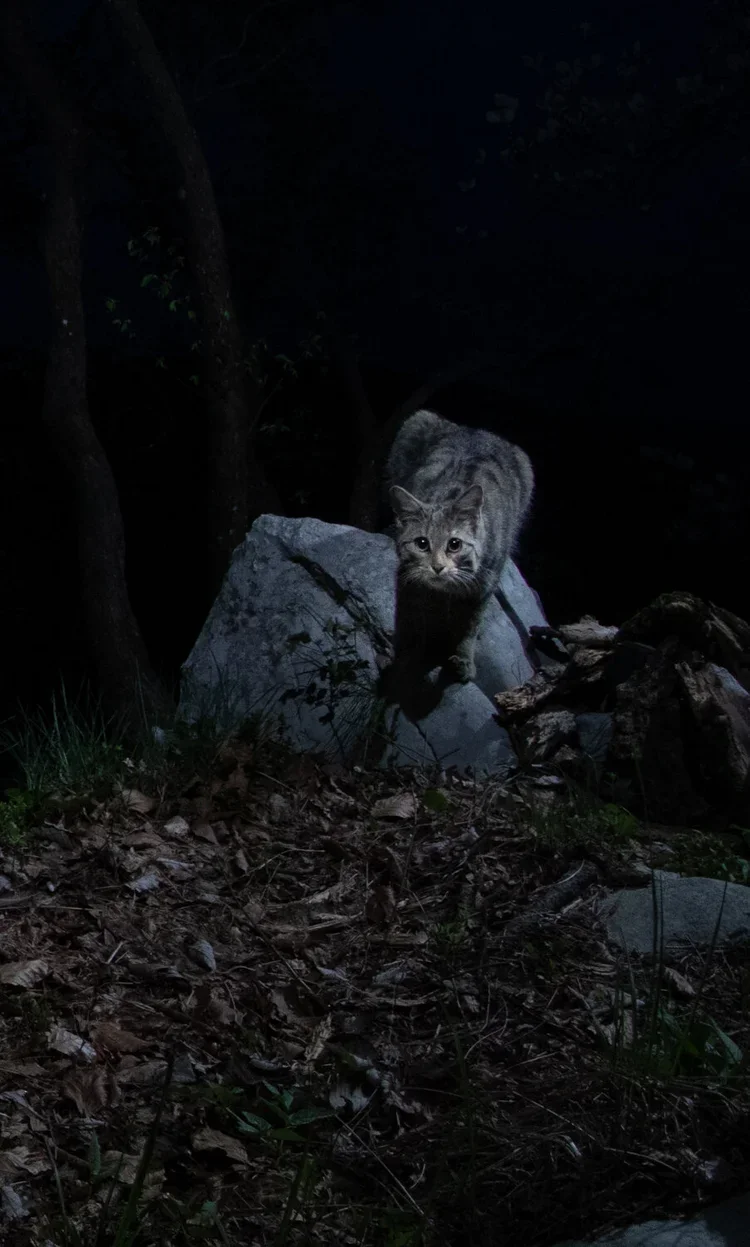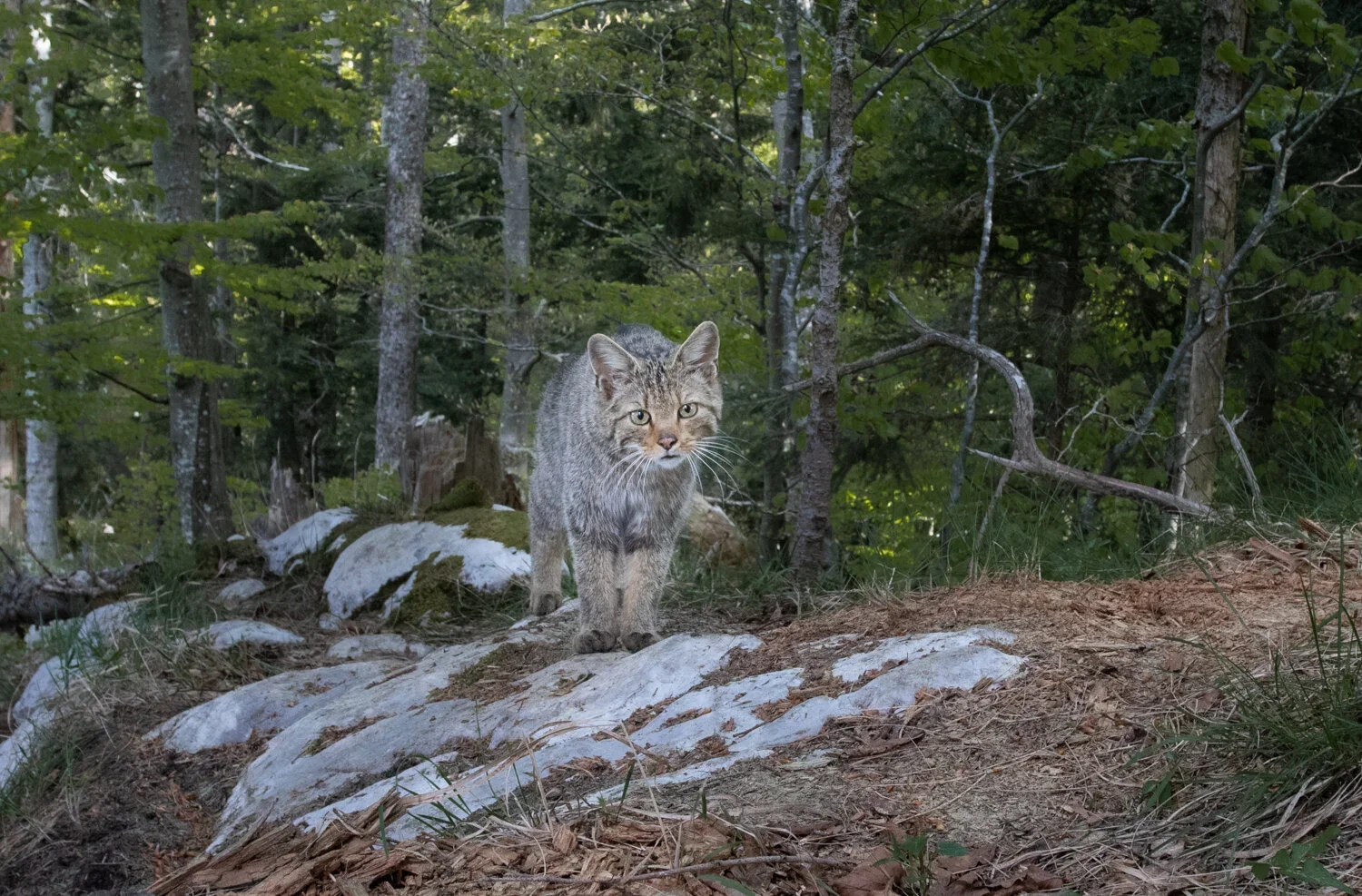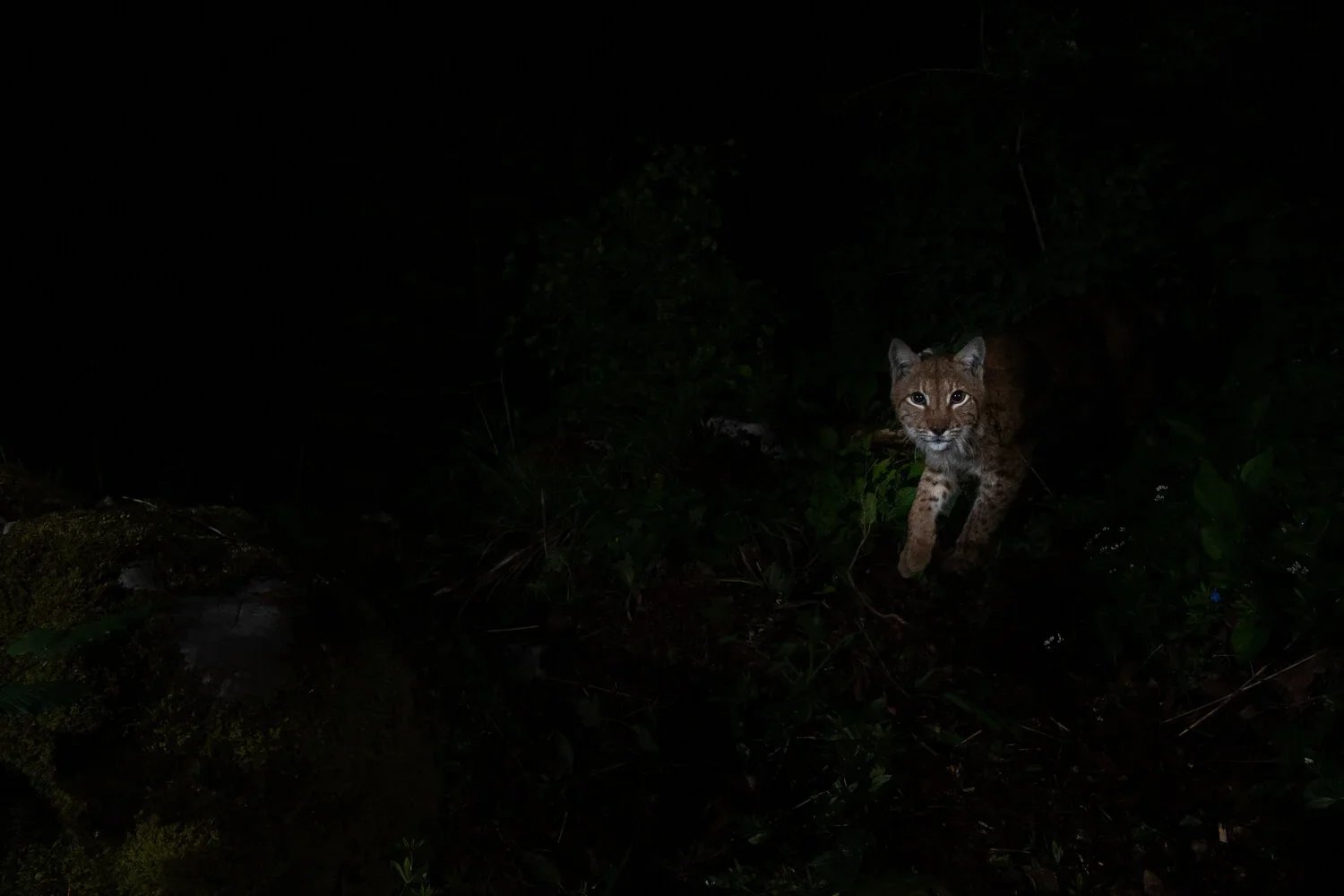
How hunters, scientists and conservationists joined forces to save a disappearing population — and how one remarkable lynx named Goru became a symbol of hope.
An investigation by Michael Willett, with photography by Jay Knight and Lan Hočevar. Originally researched and written in 2019–2020.
Back in 2019 and 2020, my good friends Michael Willett, Lan Hočevar and I did some investigative journalism and wrote an article about a Eurasian Lynx reintroduction project in Slovenia that was going ahead. Michael and Lan both worked on the team for this European Life Lynx project which enabled us to get some fascinating insights into this large scale conservation project. Covid happened and the article never got published so I am posting it on my website. The writing is by Michael Willet and the photos are by myself and Lan, hope you enjoy this unbelievable story…..
Something remarkable is happening in the South East Dinaric Alps, between Slovenia and Croatia: Eurasian lynx are being introduced, translocated from Romania and Slovakia. But even more remarkable; it is the Slovenian Hunting Association who are the main drivers of the project!
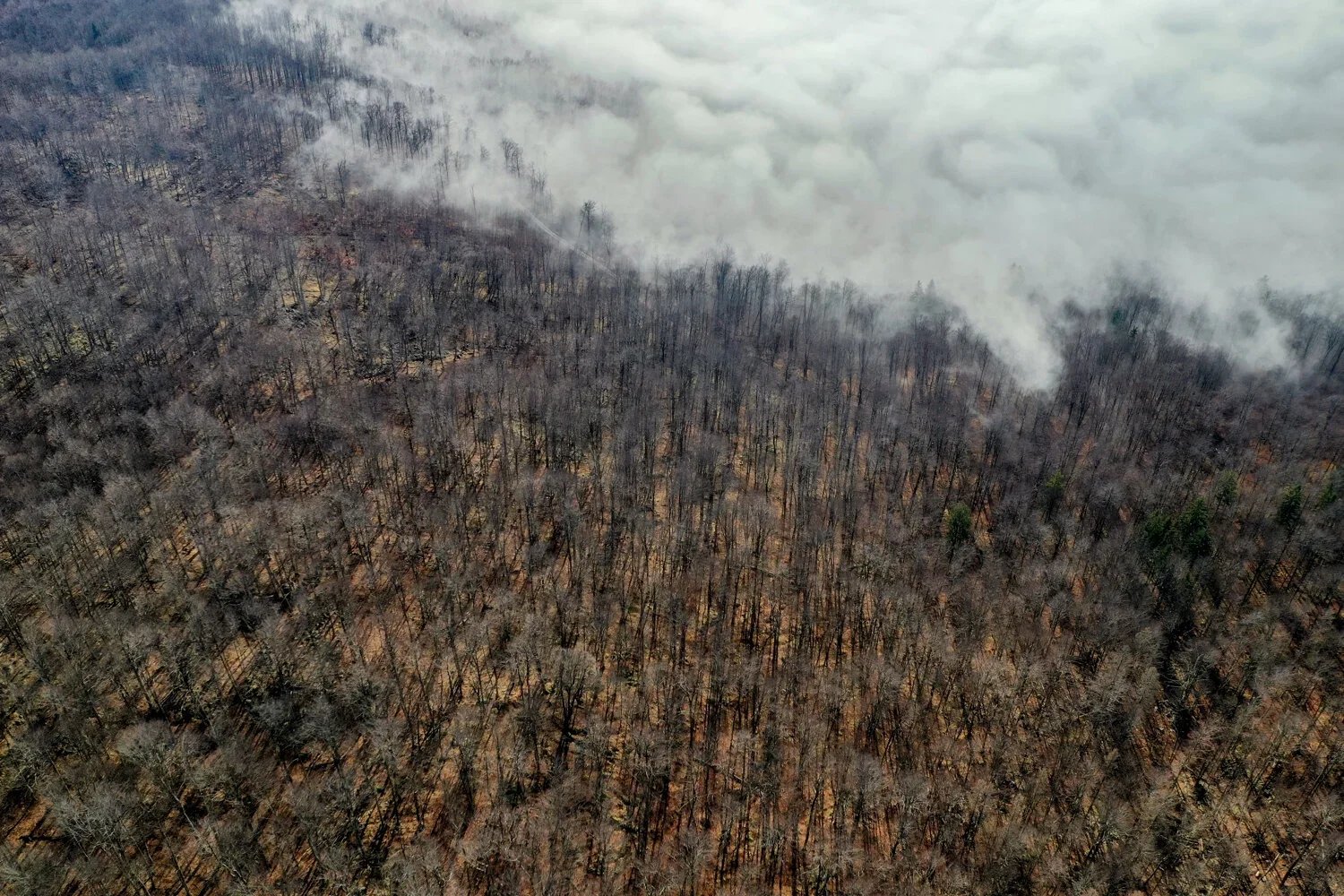
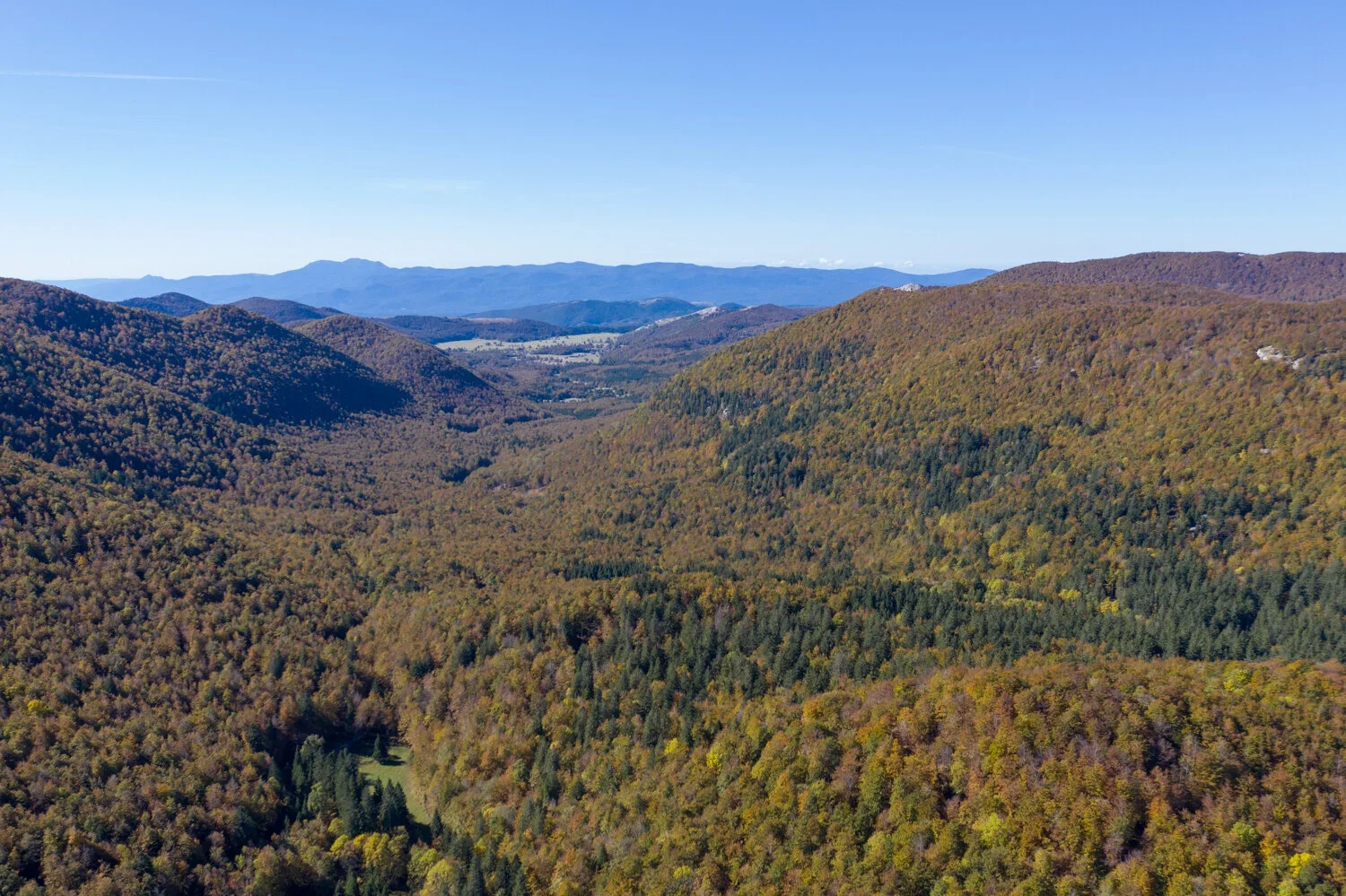
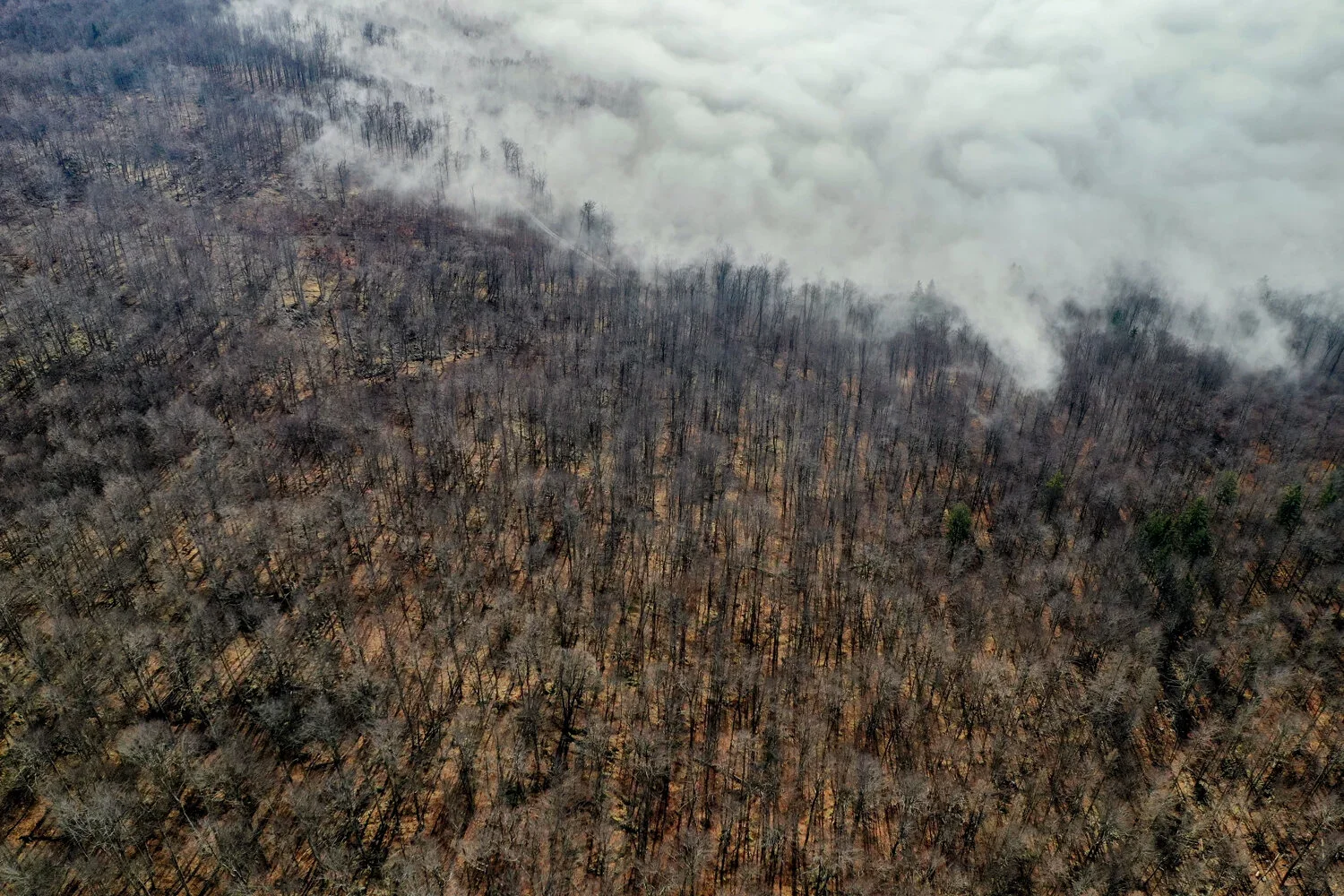
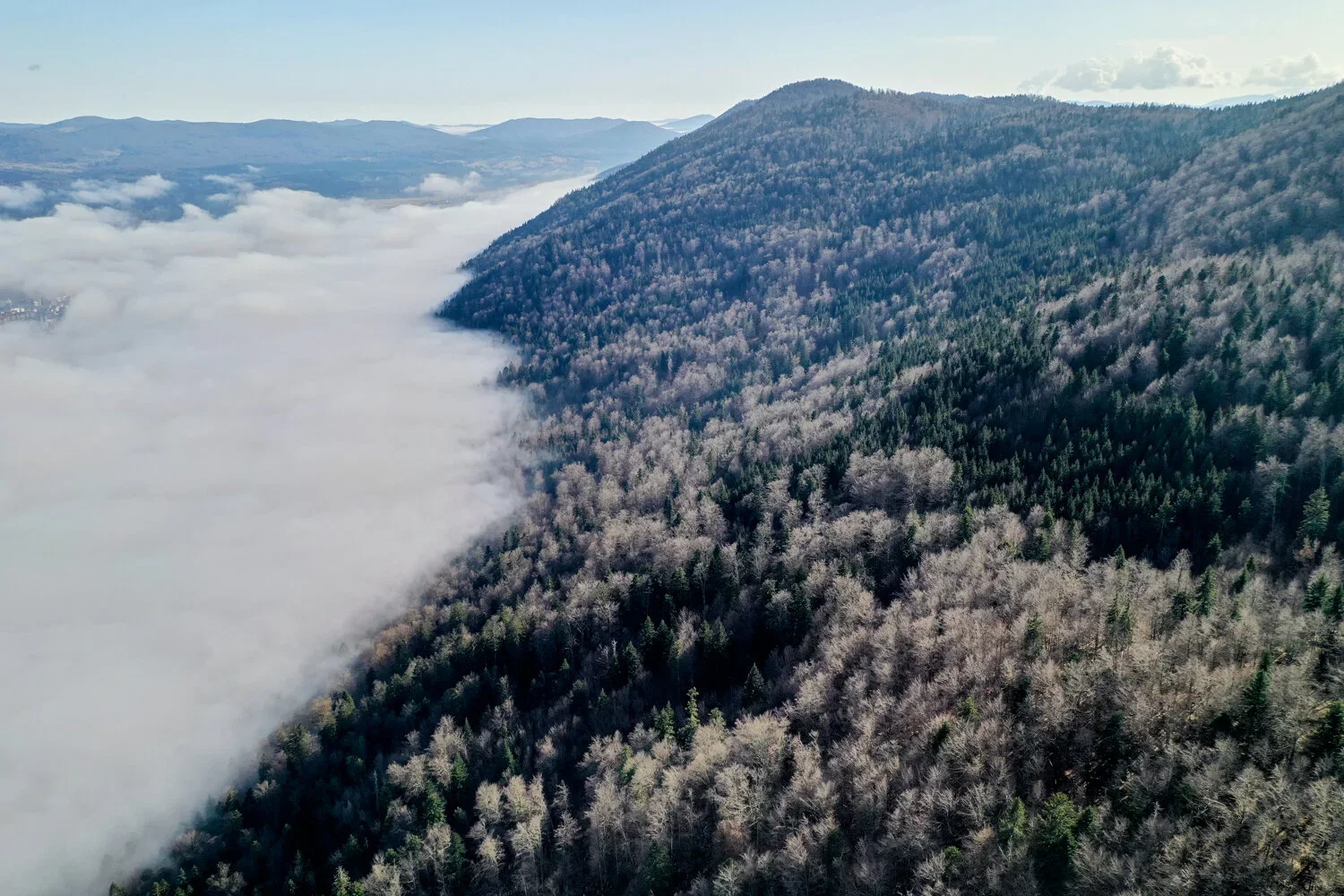
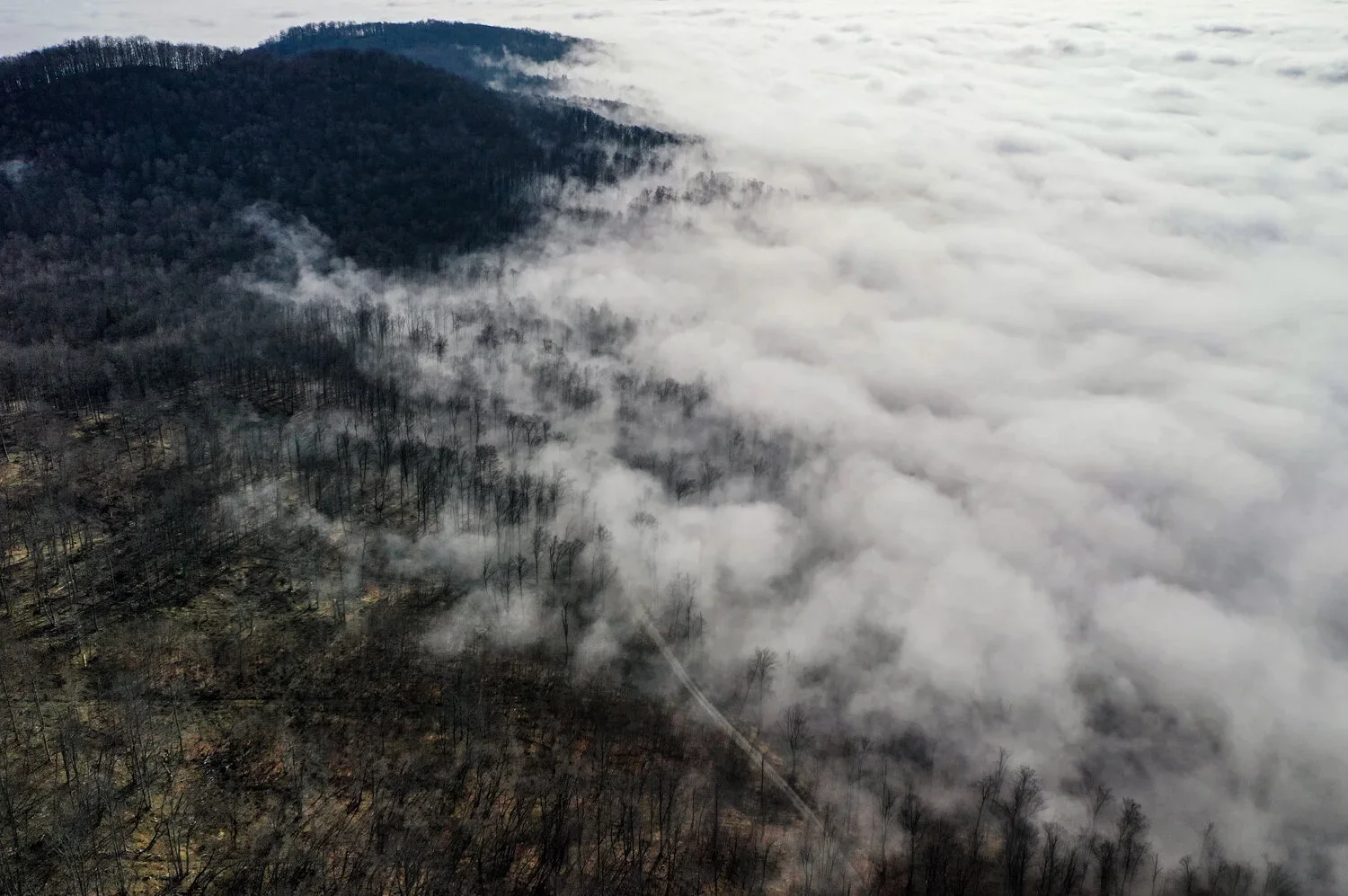
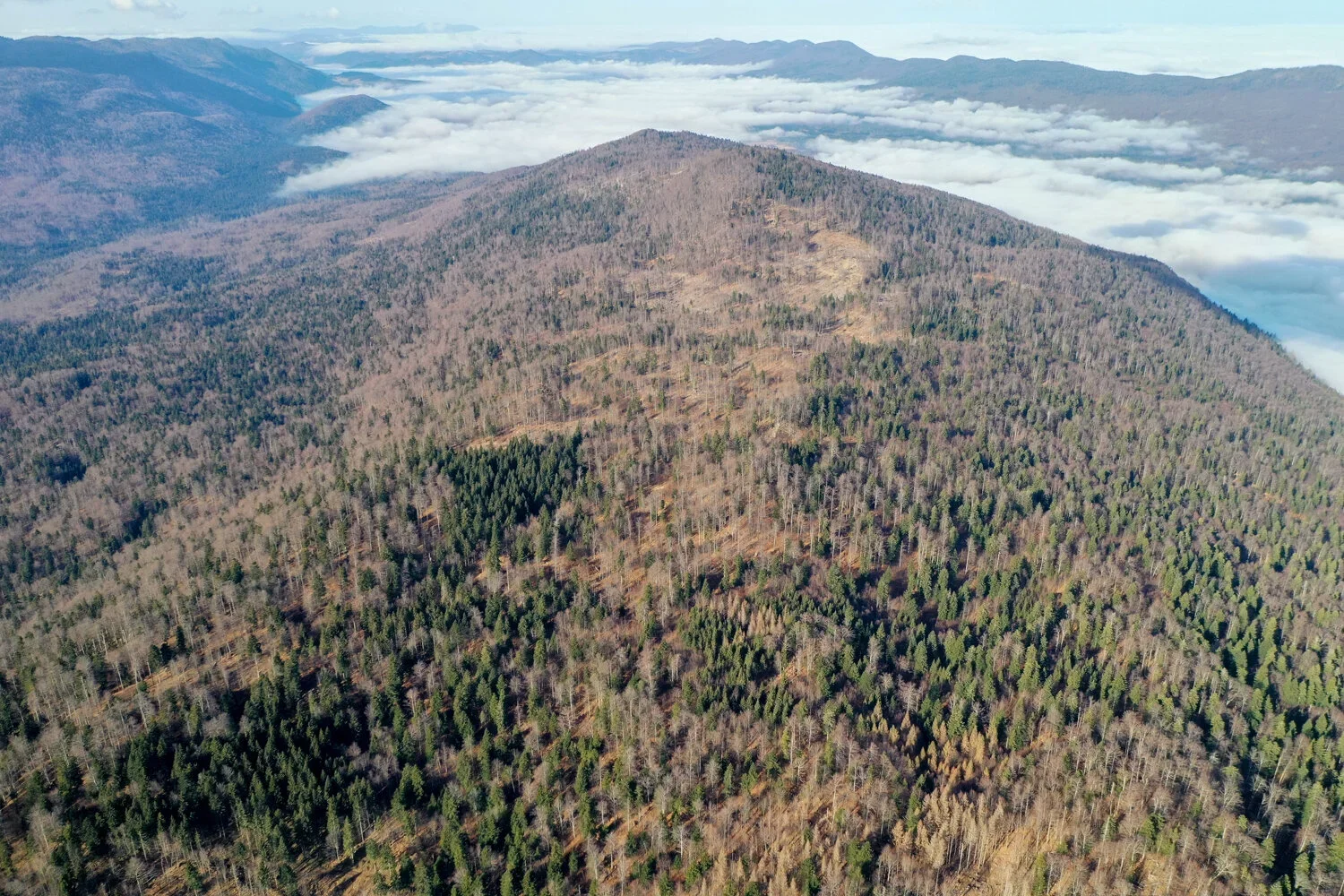
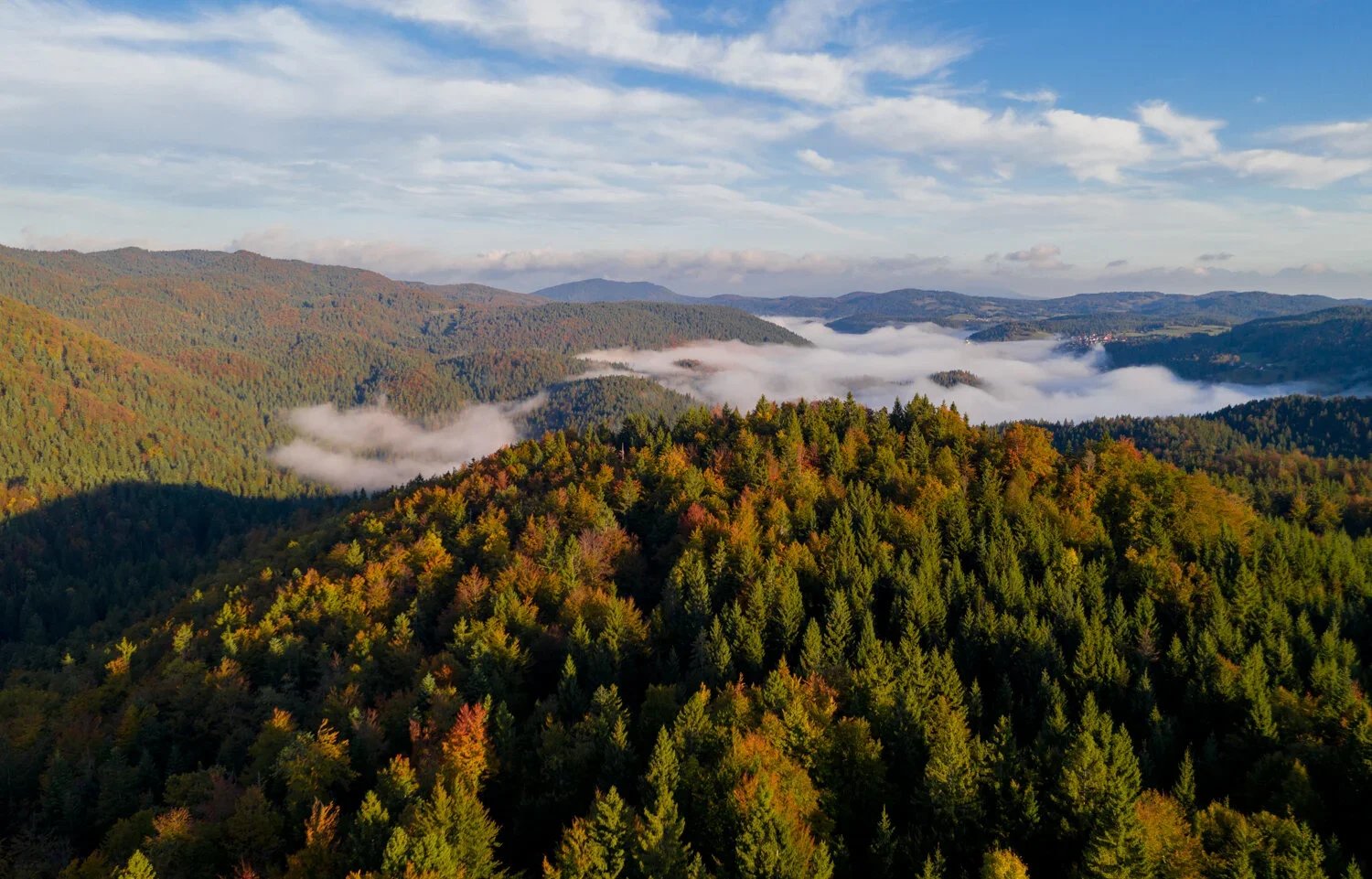
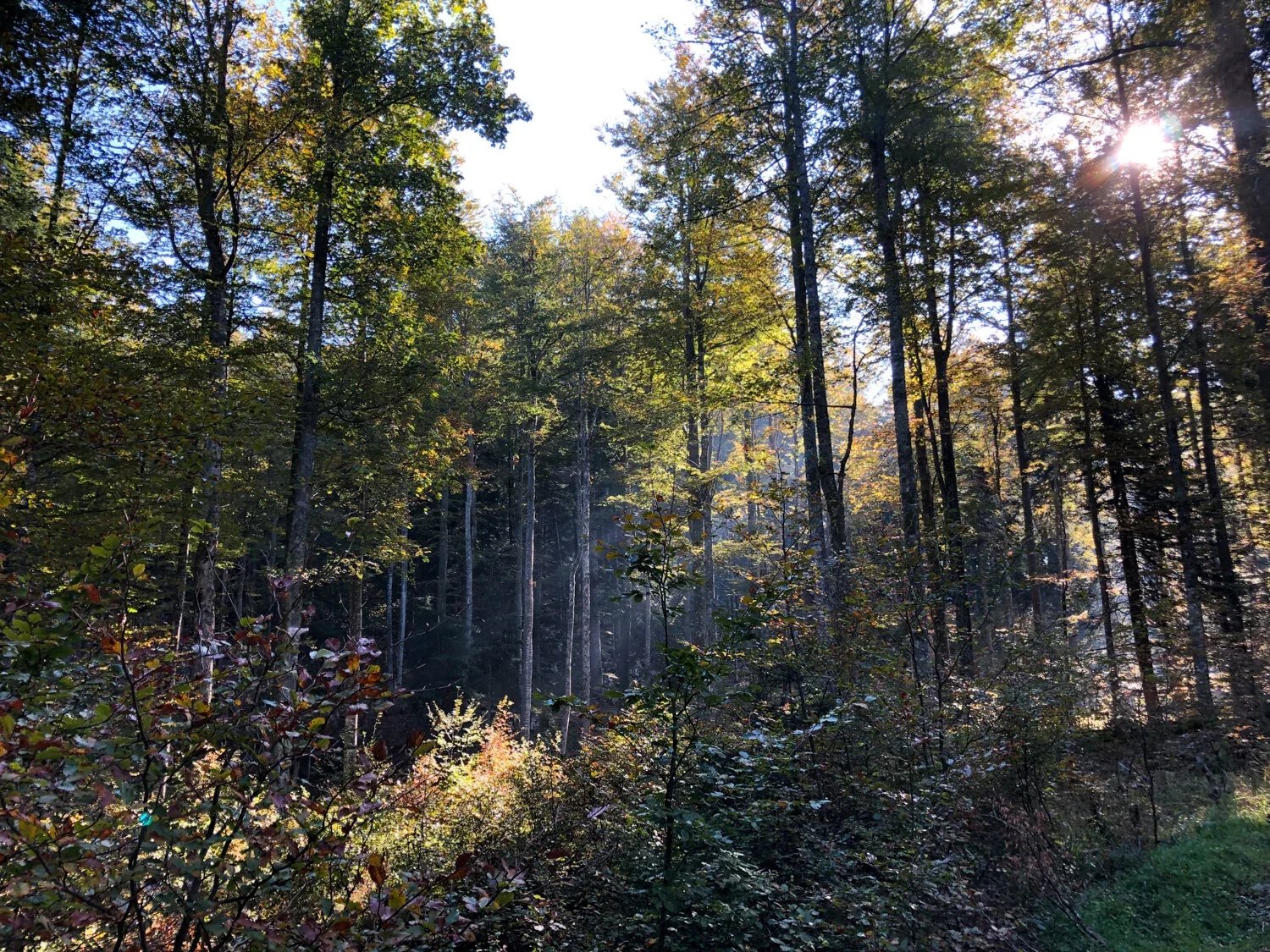
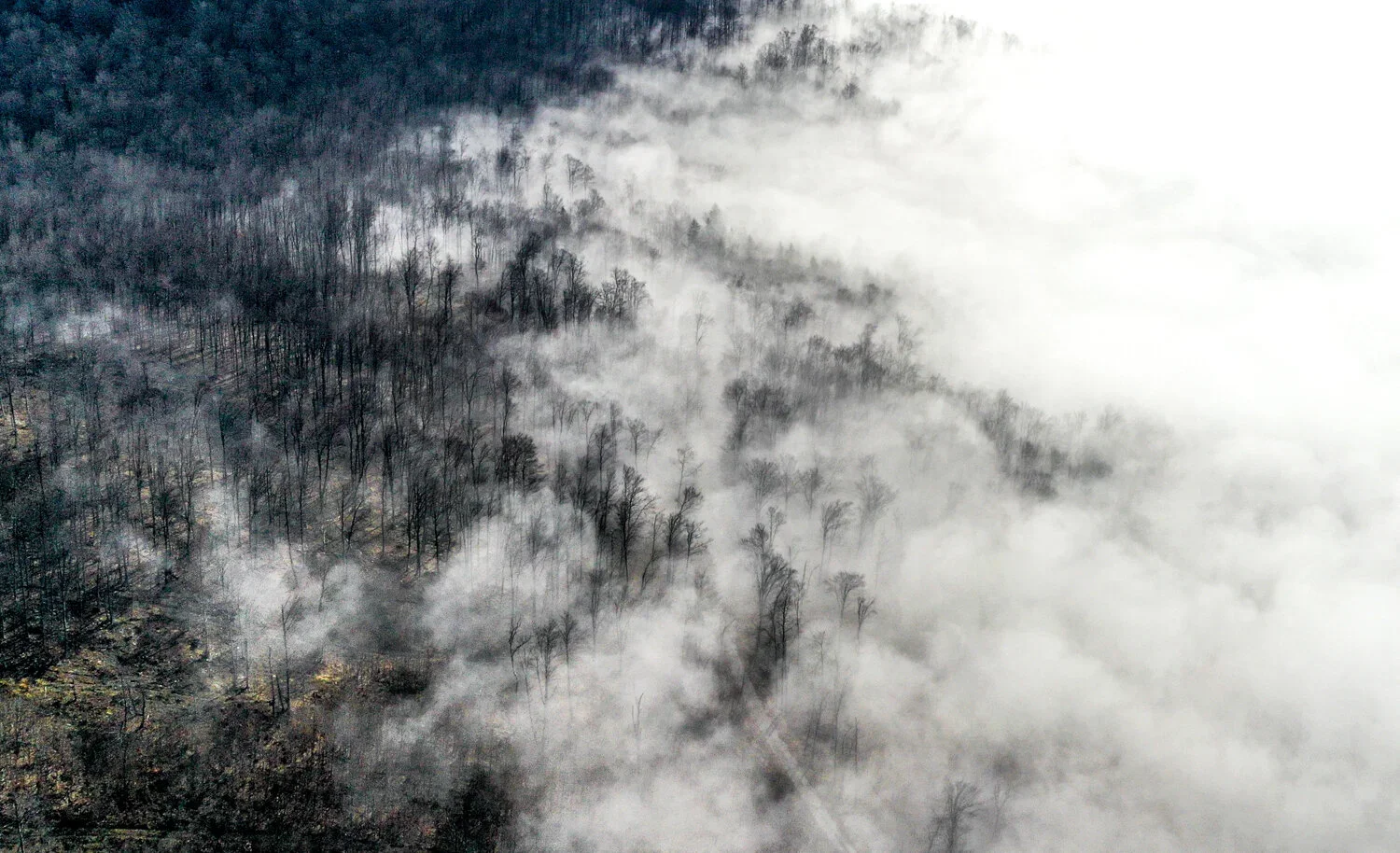
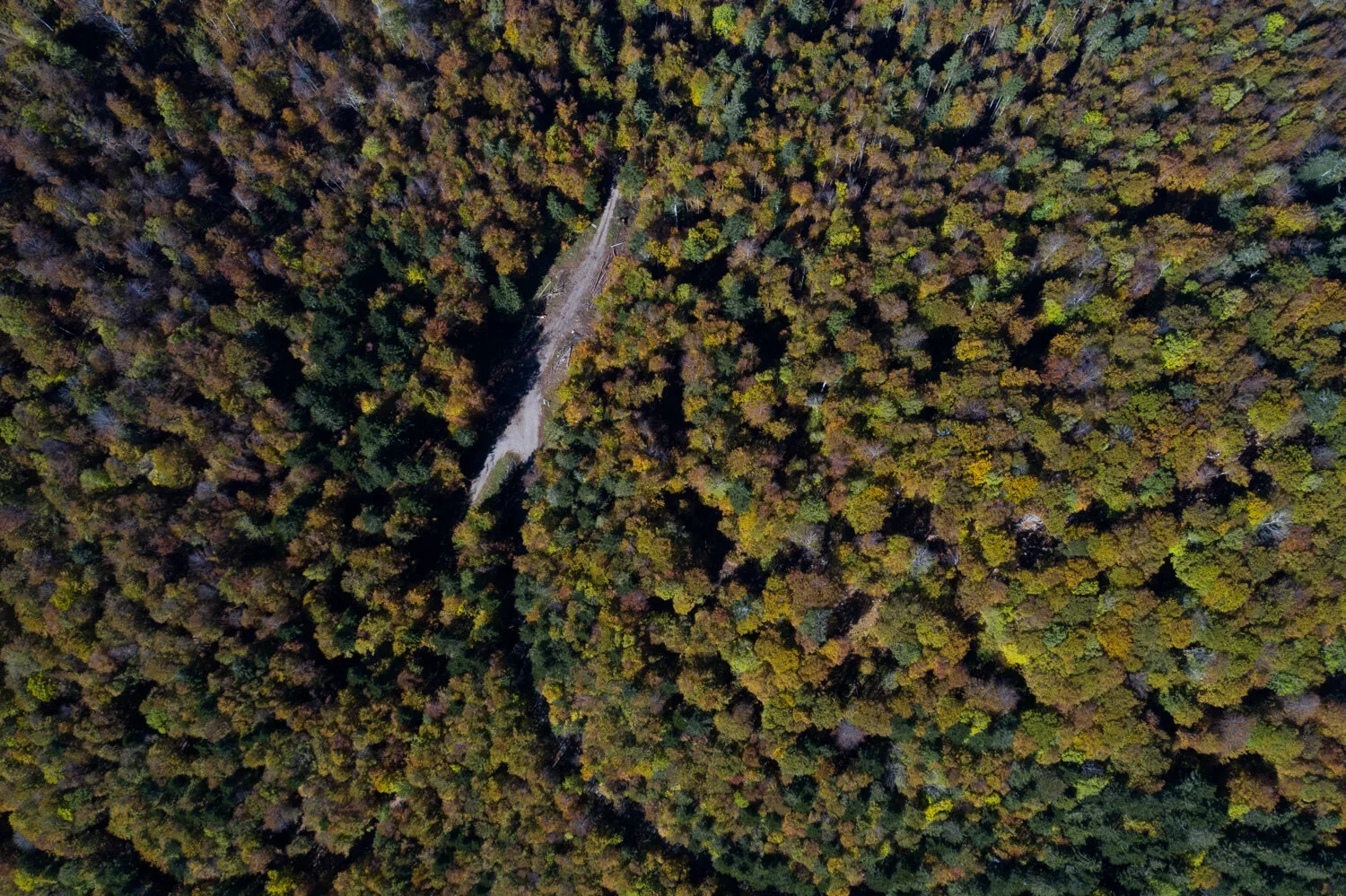
Slovenia has roughly 62% forest cover
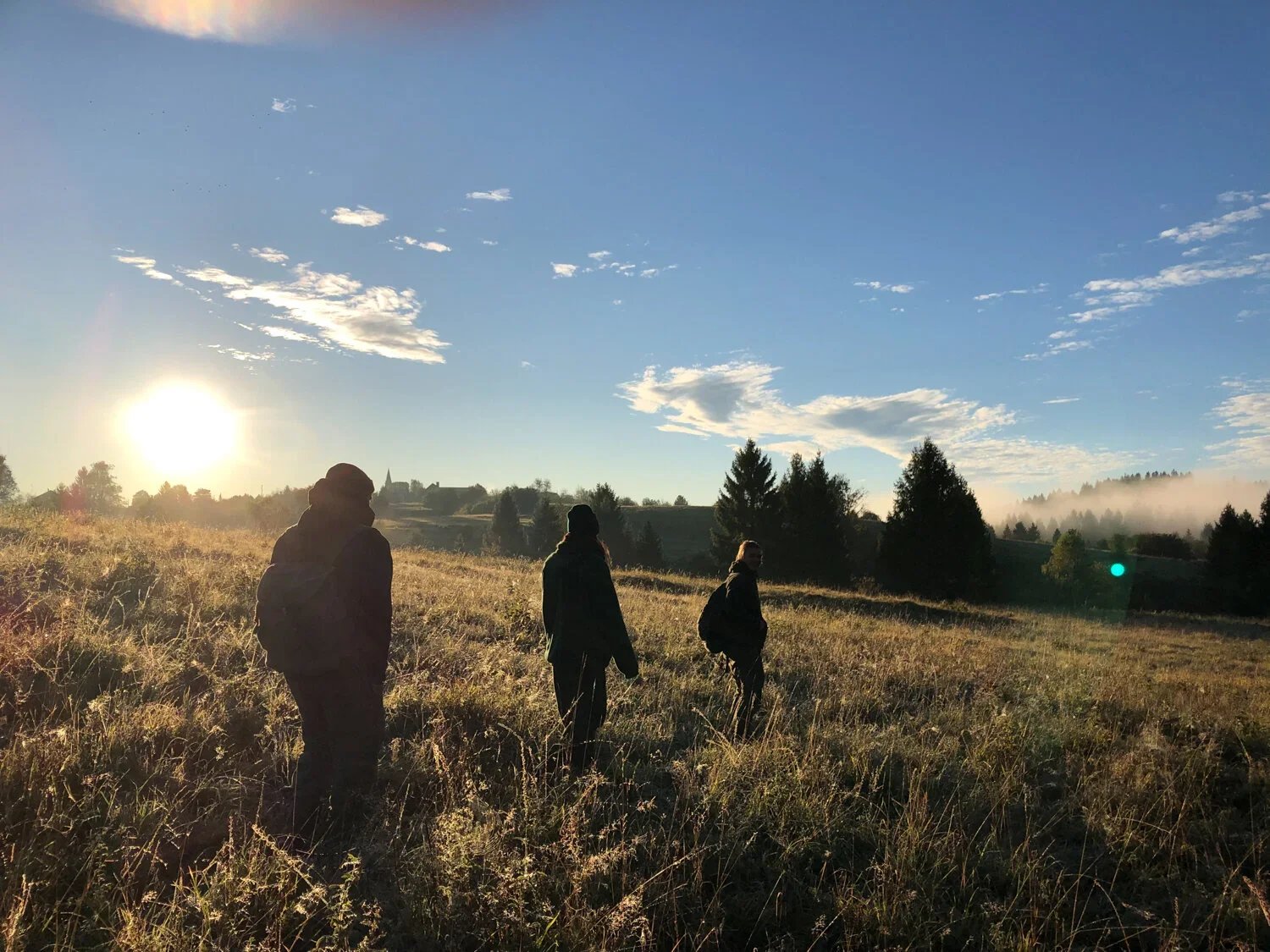
With a heavy dusting on the ground, snow hung thick in the air, as he traversed his way slowly down from the main ridge, linking along the crude forestry track that cut a scar through the thick mountainside forest. Great globs of snow melting into to his dappled spotted, sandy-brown, coat. Stopping intermittently to inspect marking spots, breathing in the scent through his mouth, his warm breath turning to vapour in the cold air. He knew a female held a territory here, he had heard her calling. Taking care to tiptoe a silent wavy path, his large furry paws avoiding the paper-thin, ice covered, deep and muddy pools, which had been cut by the heavy wheels of machinery, he came across fallen young conifers, blocking his path. He paused, nervously. A dog, barking in the far distance, broke the stillness of the silent night air. He could smell humans – diesel and tobacco - but this was normal for this area. Foresters stayed in an old railway cabin in a clearing below the ridge, a little cluster of wooden houses sheltered in the protection of the valley beyond, and the Flora hotel stood proudly on the road that connected the village with the rest of Romania, nestled in this corner of the Eastern Carpathians. In this dark corner of Europe, light travels far, and the distant orange hue of streetlights made it just about possible to pick out a well-trodden path, weaving through the snow and fallen branches. This was the easiest option as there was a deep, sharp, drop either side of the track. He paused again as he reached a tunnel. This was new. He could smell wildcat. A wildcat had passed through the tunnel. He rubbed his jowls against one side of the tunnel mouth, to leave his smell, then turned and sprayed his scent. She would find this if she came this way. Usually he would turn, and find another way, but the urge to find a female was strong, so, gingerly, he made his way through. The ground in the tunnel was soft with moss and leaves. A change from the icy wet snow. He felt something snag his oversized hind leg, and then BA BAM! An almighty double noise as both ends of the tunnel blocked and he was plunged into darkness.
“Michael”, “Michael”, shout whispered Teresa through the slight of the door. “The satellite alarm has been activated again at Flora, we must go and check”. Unlike the day before, when they had had the first ever notification that a boxtrap had been activated, the adrenaline did not force me out of bed. It would probably be the wildcat from the day before. We had been so excited. Getting ready. The drive. Carrying the gear up the forestry track. It had all been a silent blur. And it was just a wildcat. The high beam of the project vehicle lit up the ancient Russian forestry machinery at the bottom of the track. We trudged our way up in silence. Not the electric and excited loud silence of the day before. A yawny silence. Coming to the level section where we had built and positioned the boxtrap, placed trees and branches so the only route was funnelled through the open-ended wooden structure, we heard a low belly growl that made the hair on the back of our necks stand on end. I gave Teresa my bear spray, instructed Lan and Hannah the volunteers to stay back, and lifted the hatch that covered the spy hole.
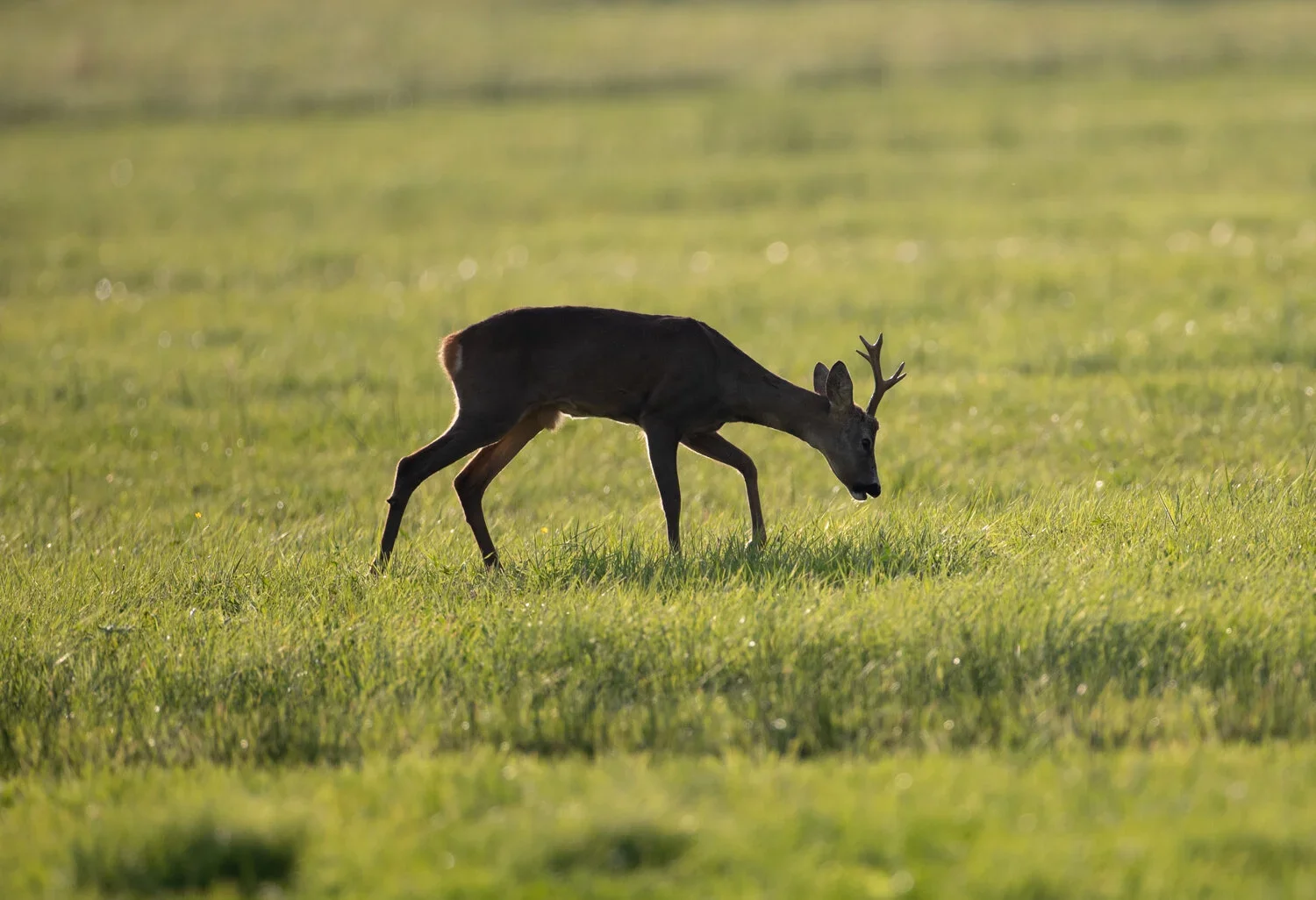
Rewind nearly half a century. It is the very early 1970s, and Karl Weber, a Swiss national, is on a hunting trip, to shoot roe deer, accompanied by a couple of hunters, and one of the hunter’s young daughter, Nada. They are in the forests of Kočevski Rog, Slovenia. Nada had spent a lot of time in the forests, with her dad, and moved with an agile ease. It was while watching Nada, playing on a fallen tree, that Weber had a vision; he saw her as a Eurasian lynx. This may be deemed unremarkable, had it not been for the fact that lynx had been extinct in the Dinaric Mountain region of Slovenia and Croatia since the beginning of the 20th century, and what happened next. Weber remarked to his companions that the enigmatic creatures should be here in the forest and, in a visionary move, offered to pay for the lynx. The Slovenian forestry and hunting associations took charge, reasoning that if the forests could not support once indigenous species, then they, as guardians, were not needed, and they were not doing their jobs properly. In 1973, using Weber’s funds, six lynx were captured in the mountains of Czechoslovakia, held in quarantine in Ostrava Zoo, and then flown by aeroplane to Zagreb, and eventually released in Kočevski Rog, in the forests where Weber had his first vision. To all intent and purposes, the reintroduction appeared to be a success. Lynx spread south-east, to Croatia and Bosnia and Herzegovina, as well as to Italy in the west and Austria in the north.
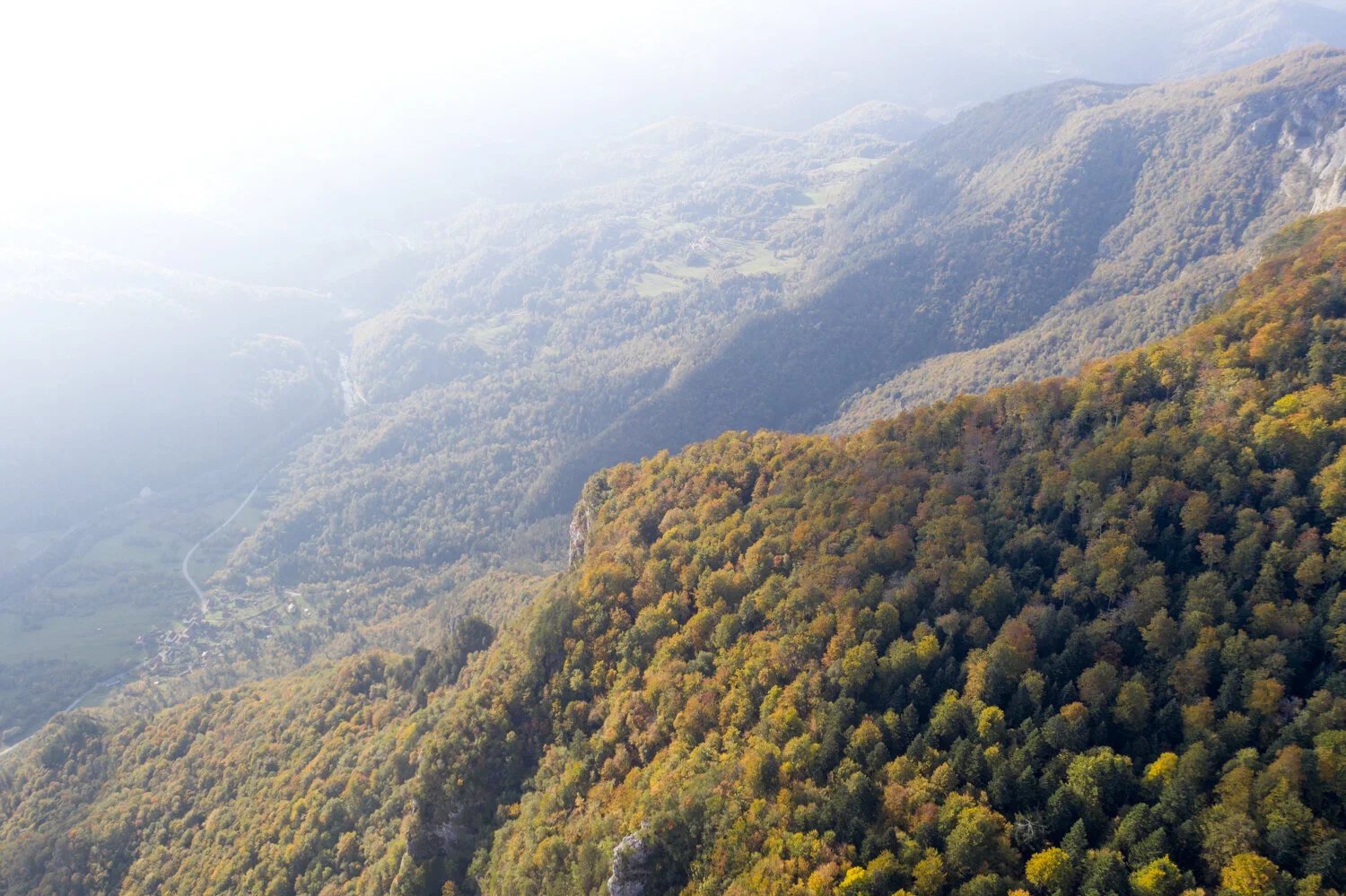
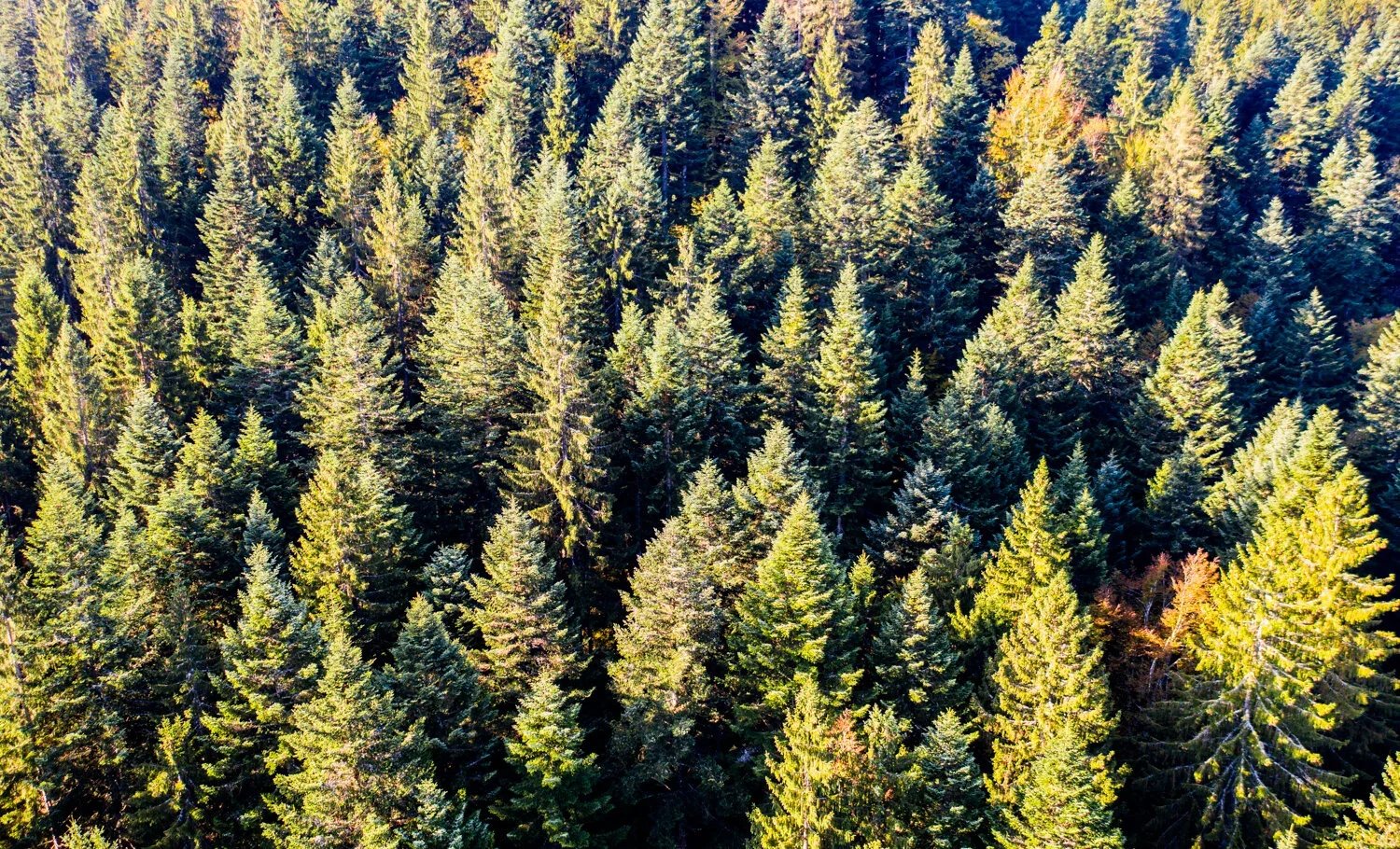
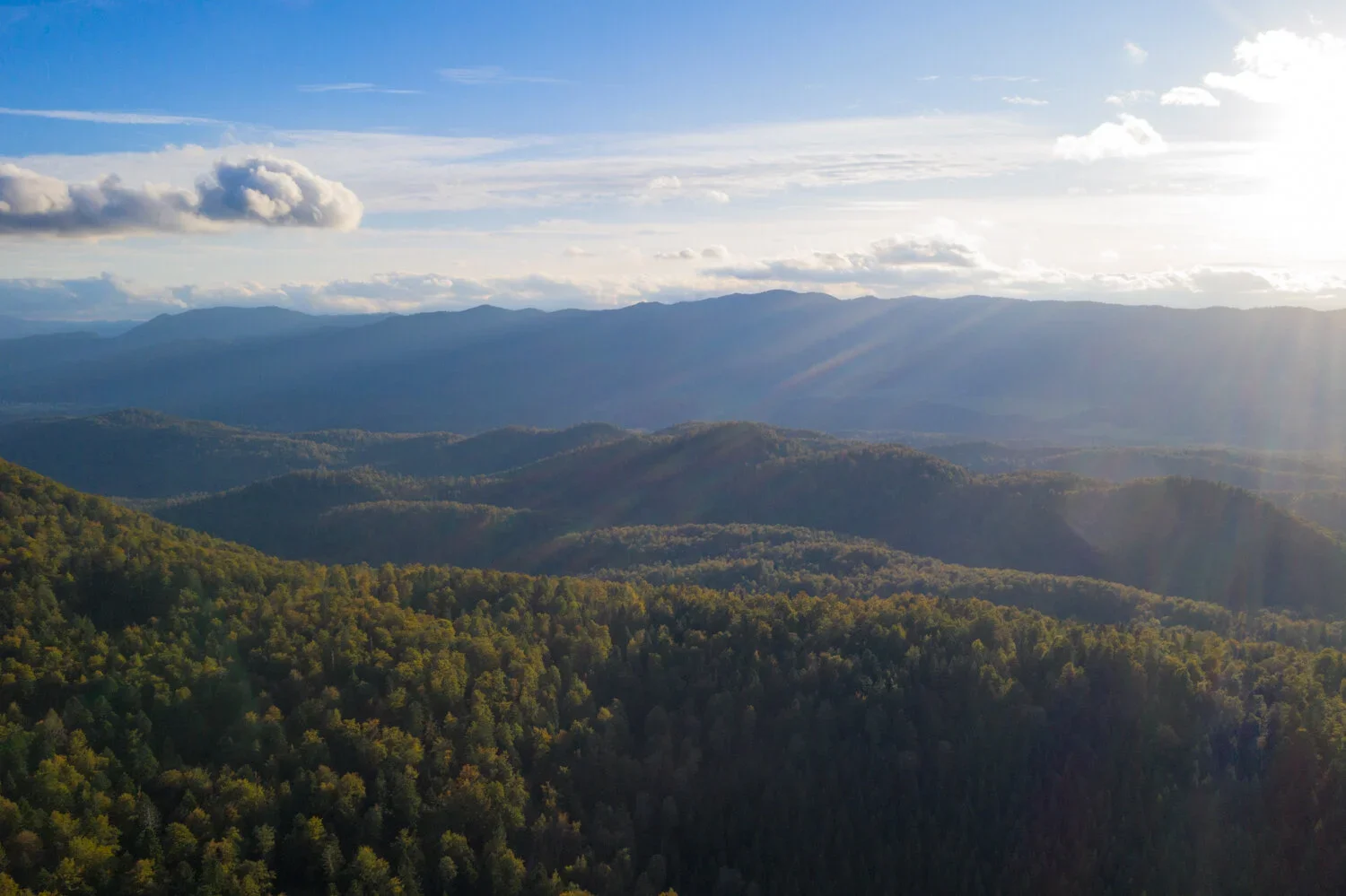
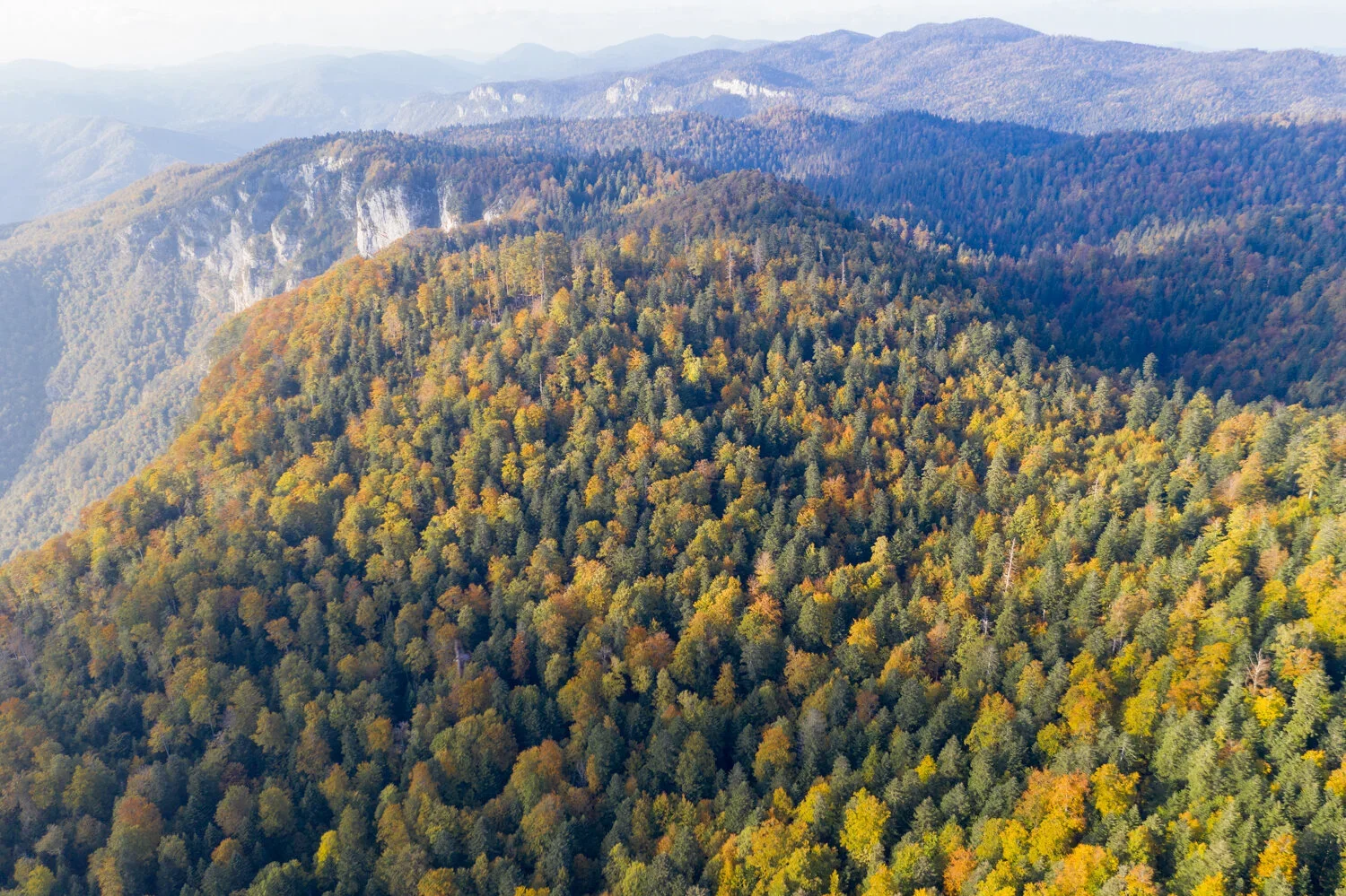
Fast-forward just over four decades; Slovenia, a country the size of Wales, is one of the most forested countries in Europe and the number one EU country with proportion of land (around 40%) designated as Natura 2000 sites. According to U.N. figures, over 62.2% of Slovenia is forested, with 8.7% classified as virgin, or primary, forest. Forest cover has spread in recent times. In 1875, 36% of the country was forested, and in 1944, 44%. Slovenia has the highest densities of Brown bear in Europe, has robust wolf numbers, and according to World Conservation Monitoring Centre, has around 484 known species of amphibian, bird, mammal, and reptile. Yet while forest cover is burgeoning, and wildlife appears to be thriving, Eurasian lynx numbers are dwindling, and in steady decline.
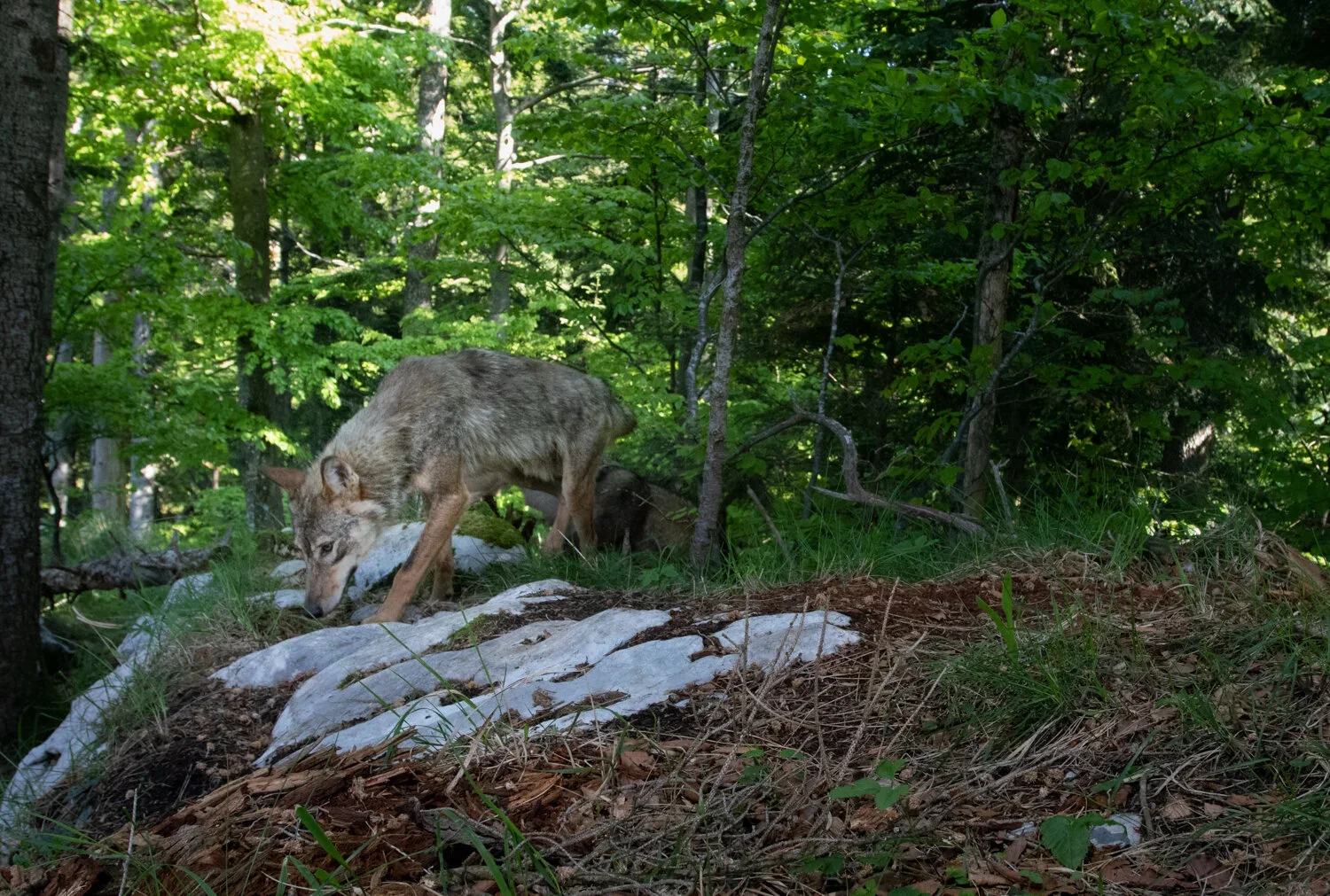
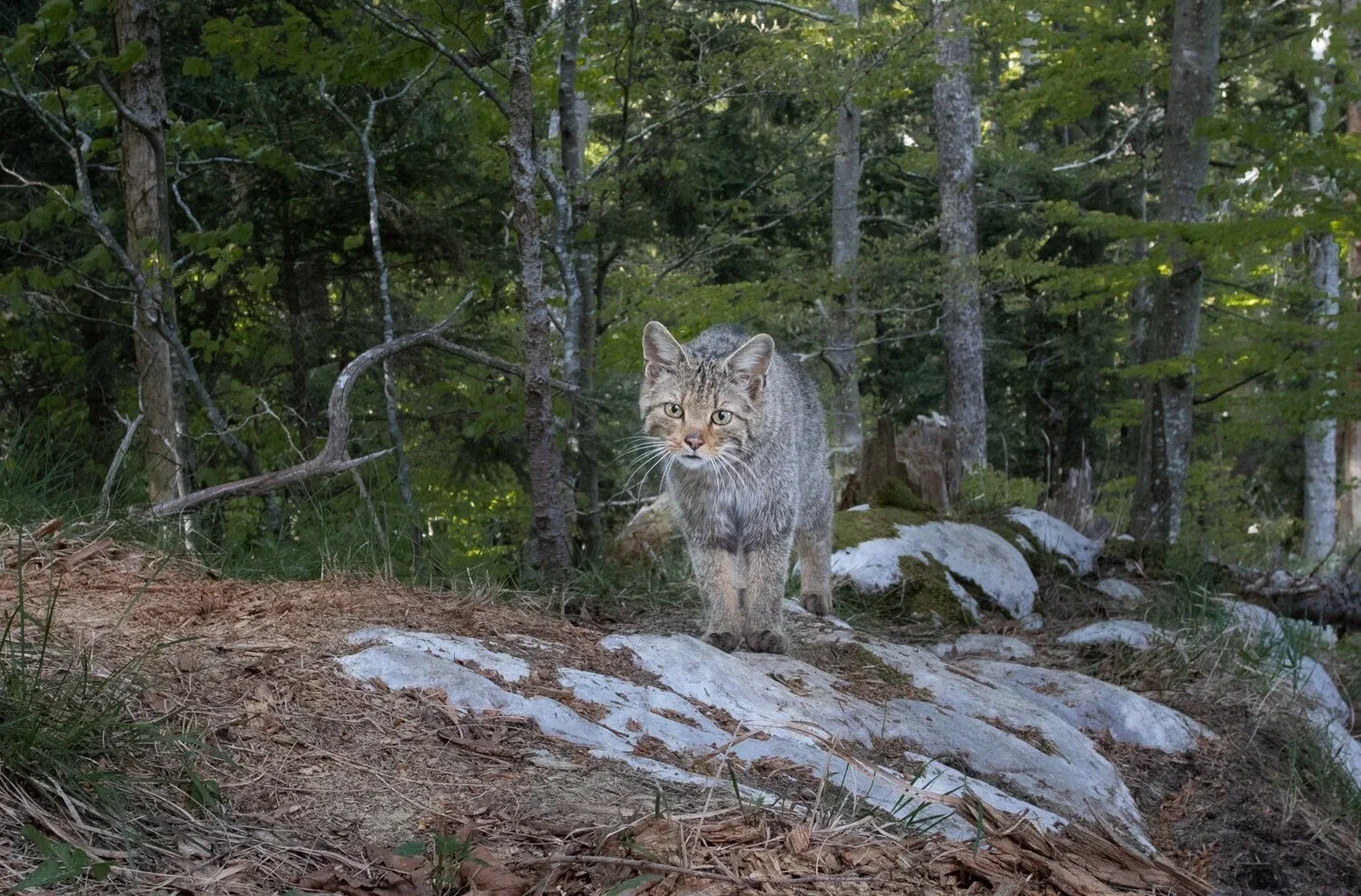
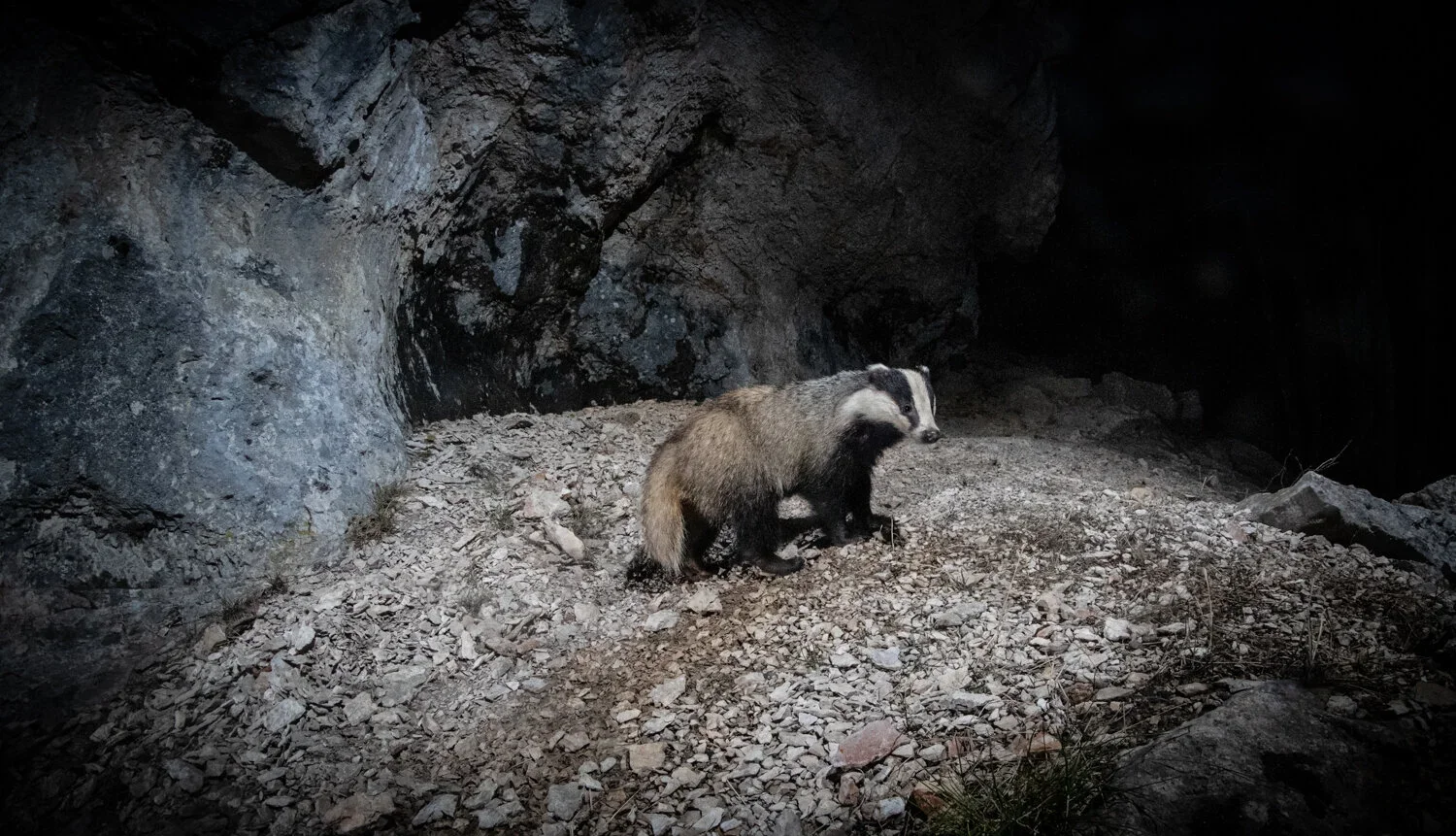
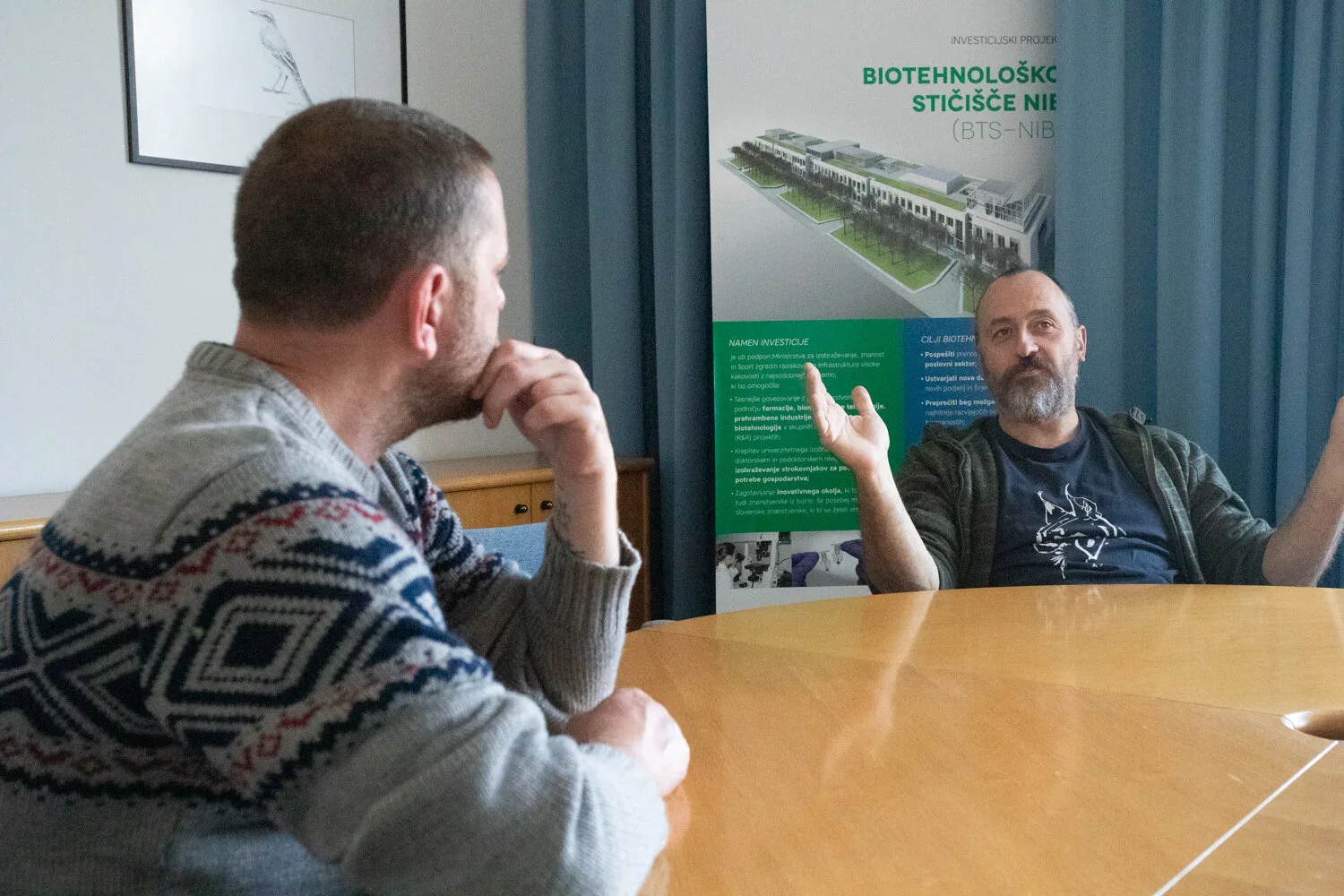
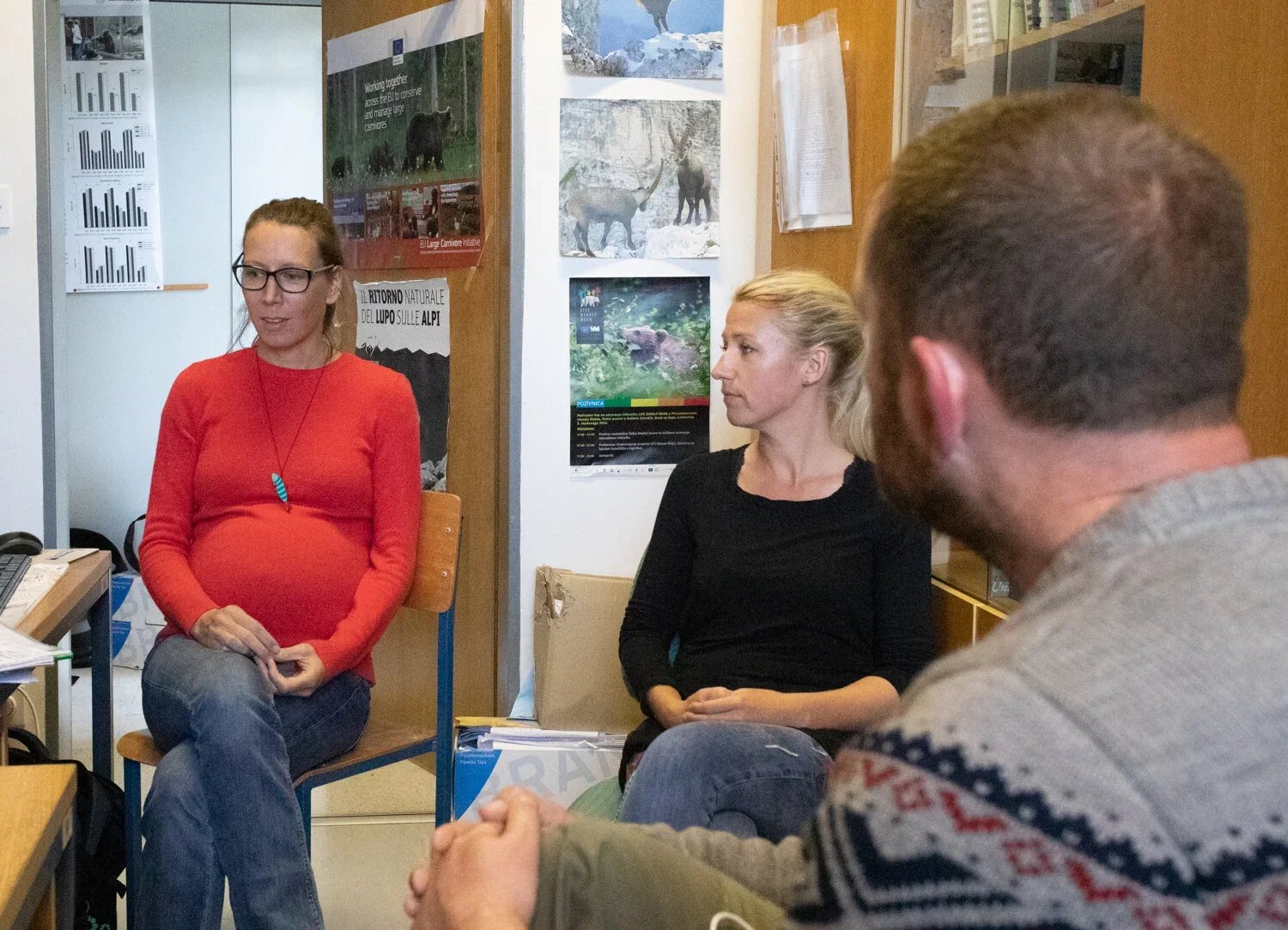
Professor Tomaž Skrbinšek discussing Lynx Genetics with Michael.
Assistant Professor Tomaž Skrbinšek, an international expert on genetics. He has got a team who is working on genetic research and his team, who work on genetic research, at the University of Ljubljana, have been researching lynx since 1999, but it wasn’t until the mid-2000’s, when a PhD was undertaken, involving genetic analysis of historical lynx samples, from old hunting trophies, that they started to uncover the precarious nature of the genetic diversity of the lynx population. Prof Skrbinšek explains “there was this feeling in the field that lynx were not doing too well. Logic tells you, if you introduce three pairs, something eventually will go wrong. But things are really difficult to put the finger on. Inbreeding depression is such a strange beast. You never know how it’s going to manifest”. Every species has huge numbers of deleterious genes, they become homozygous if they get the gene from both the mother and the father, they cause harm, which can be lethal, they can die before birth, they can die at birth, or it can affect its survival or reproduction success at any stage in life.
Their continuing research has revealed an inbreeding coefficient of over 0.3. To explain, if a brother and sister reproduce, you would expect a 0.25 inbreeding coefficient. If an animal, or a plant (some can) mated itself, then the inbreeding coefficient is 0.5. Prof Skrbinšek continues “our lynx are over 0.3, so it’s between a brother and sister mating, and mating with oneself. It is to be expected that they will get some genetic problems”. Tomaž Skrbinšek has seen this first-hand, “We found three lynx dead in the recent couple of years”. With a rare species, that is a lot, and especially with such a species that is very difficult to find in the wild”. In all the three cases the animals died from generalised sepsis, which is like a generalised infection, all over the internal organs. Skrbinšek discussed this with veterinary scientists, “they said, okay, we see this in a sheep, or herbivores, it’s not this uncommon, but in a carnivore, a cat, or in a dog even, you don’t see that, or very rarely”. “For us to find three cases, it’s quite possible that this was already because of inbreeding depression, because also immunity is also compromised once animals start inbreeding”, Skrbinšek states. He continued to explain how one dead lynx they found, who they aged from tooth prospection, to be 2-3 years old, had skeletal abnormalities associated with advanced age. “So, geriatric changes”, he adds with a shrug.
Owing to a lack of connectivity with lynx populations in neighbouring countries, thanks to human population growth and the consequences of that, the small number first released, and the fact that all six founders were related to each other (they included mother and son, and most likely also a brother and sister) the isolated lynx population is suffering from genetic deterioration, through inbreeding and genetic drift, and is in real danger of extinction. Inbreeding depression can rip through a population like a cancer. Something needed to be done.
An excited buzz hung in the air. The first lynx captured as part of the project. It was time for our carefully choreographed, and pre-planned, plan to kick into action. Lan and I had stayed with the lynx, in the boxtrap, while Teresa and Hannah headed back to our base in Lepşa to let our colleagues in Focşani, where ACDB are based, know we’d caught a lynx, and to prepare the equipment for his sedation, and transfer to quarantine. By the time they got back to us, we had traipsed a perfect, impatient, circle in the snow. With Hannah and Teresa were the vet, George, and Andrea and Teo, our colleagues who had begun lynx monitoring in another study area, and Mihai, the project manager of the Romanian arm of the LIFE Lynx project. The fastidious Andrea had ensured we were well rehearsed and prepared for this moment, with each of us knowing our roles. George lifted the peeping hatch, and in a nano second, he had fired a tranquiliser from a blowpipe. At one point, while waiting for the lynx to be sedated, I had to remind myself to breathe. George checked again and gave the signal. We all got to work like cogs in a well-oiled machine. It was my job to assist the vet, getting the lynx from the boxtrap, taking samples, and monitoring its health and wellbeing. Andrea and Teresa took and called out his measurements, weight, length, etc and fitted his satellite collar, while Teo wrote everything down. We had caught a male lynx, who was around four years old, and appeared in perfect health. He had been caught for release in the Dinaric Mountain region of Slovenia and Croatia, and he was beautiful. For two years we had snow-tracked, camera-trapped, collected scat, urine, and hair samples, walked hundreds and hundreds of kilometres of transects, carried box-traps up mountainsides, through deep snow, living and working in the harsh and unforgiving conditions, and environment, of the Eastern Carpathian mountains. We had built box-traps with numb fingers, placed obstacles, such as tree branches, and traipsed pathways to direct the lynx in the direction we wanted it to take (lynx are just like domestic cats, if they can avoid getting messy wet paws, they’ll take the easier route). Teresa had been given the honour of naming him. She named him Goru, after the highest peak in the region.
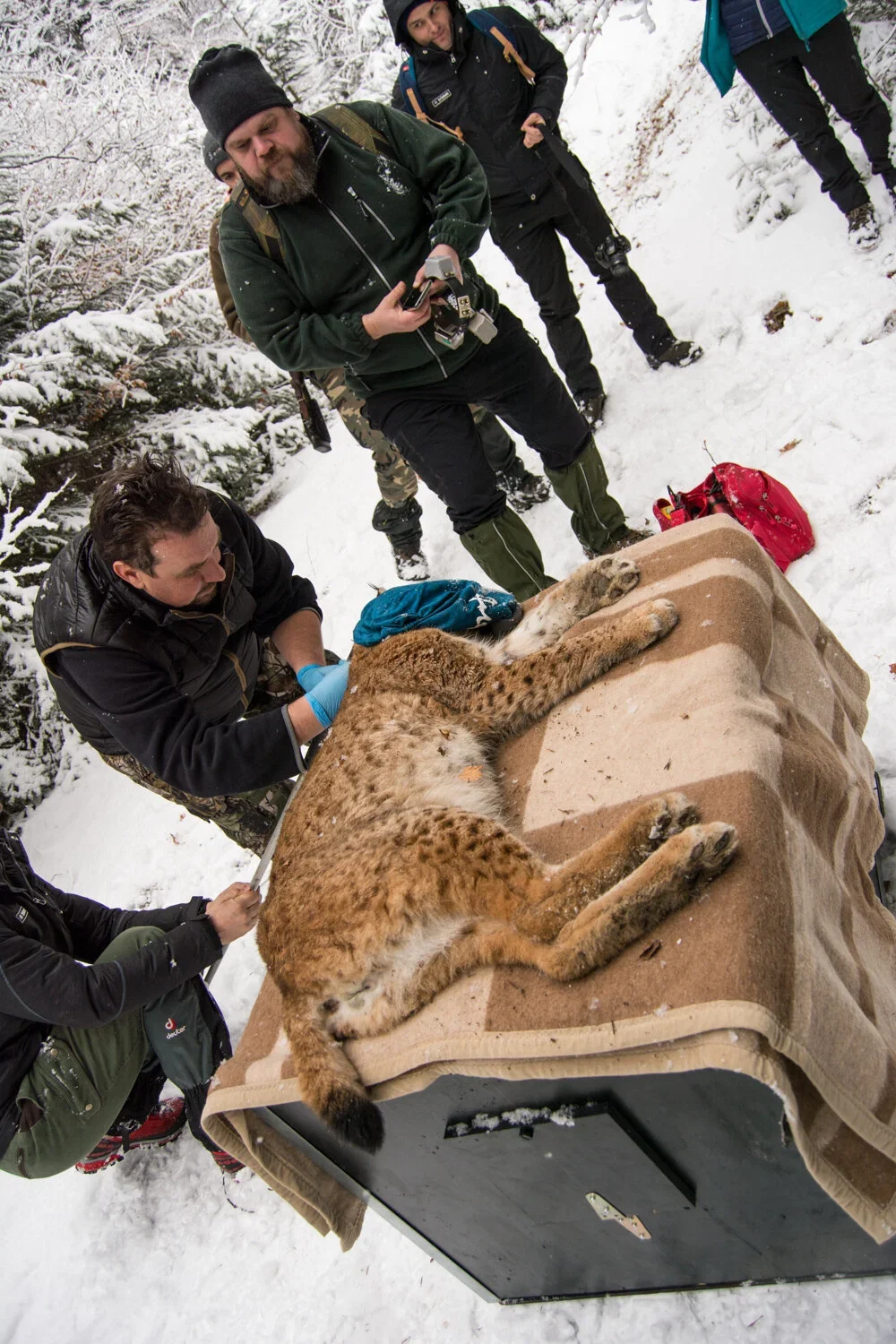
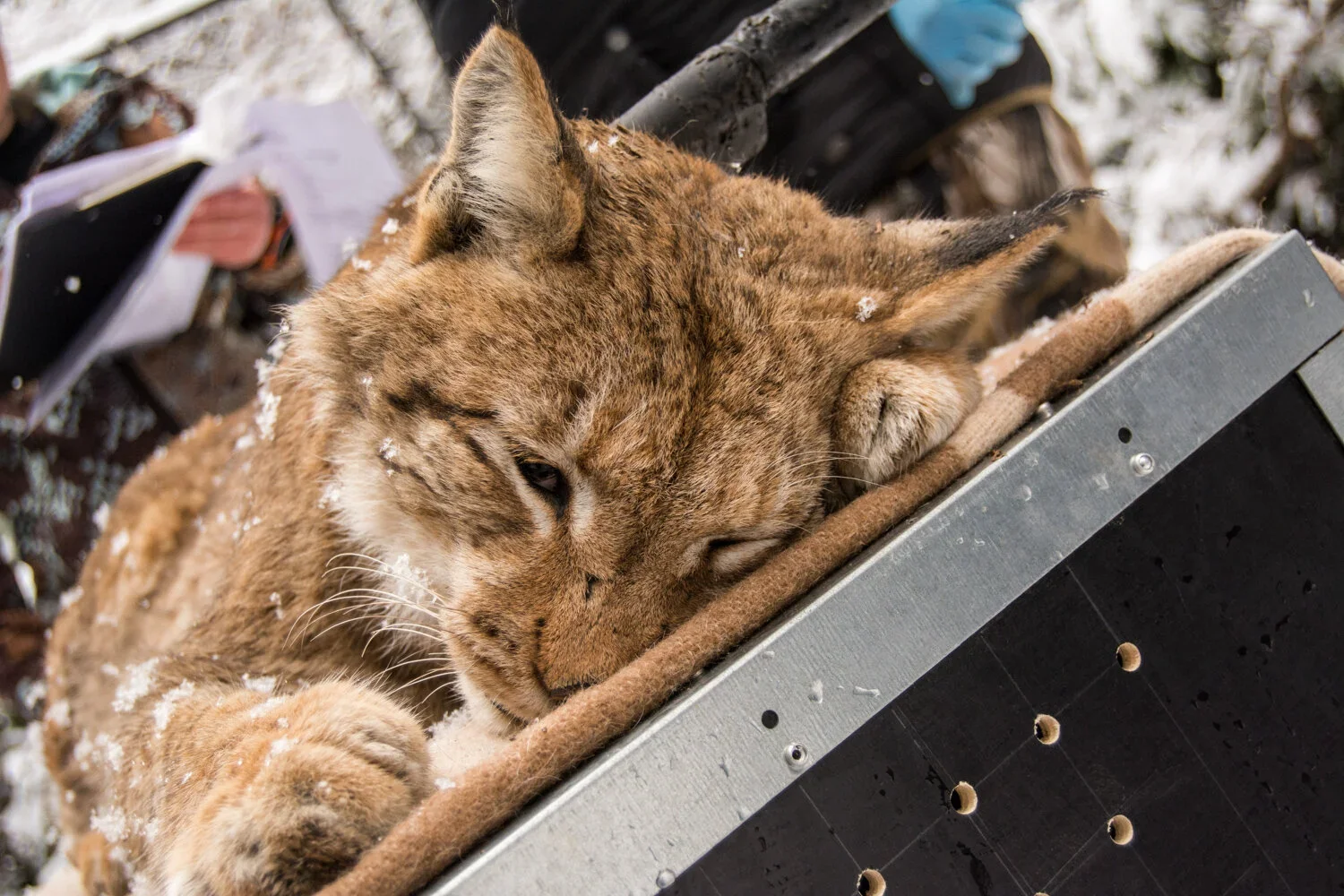
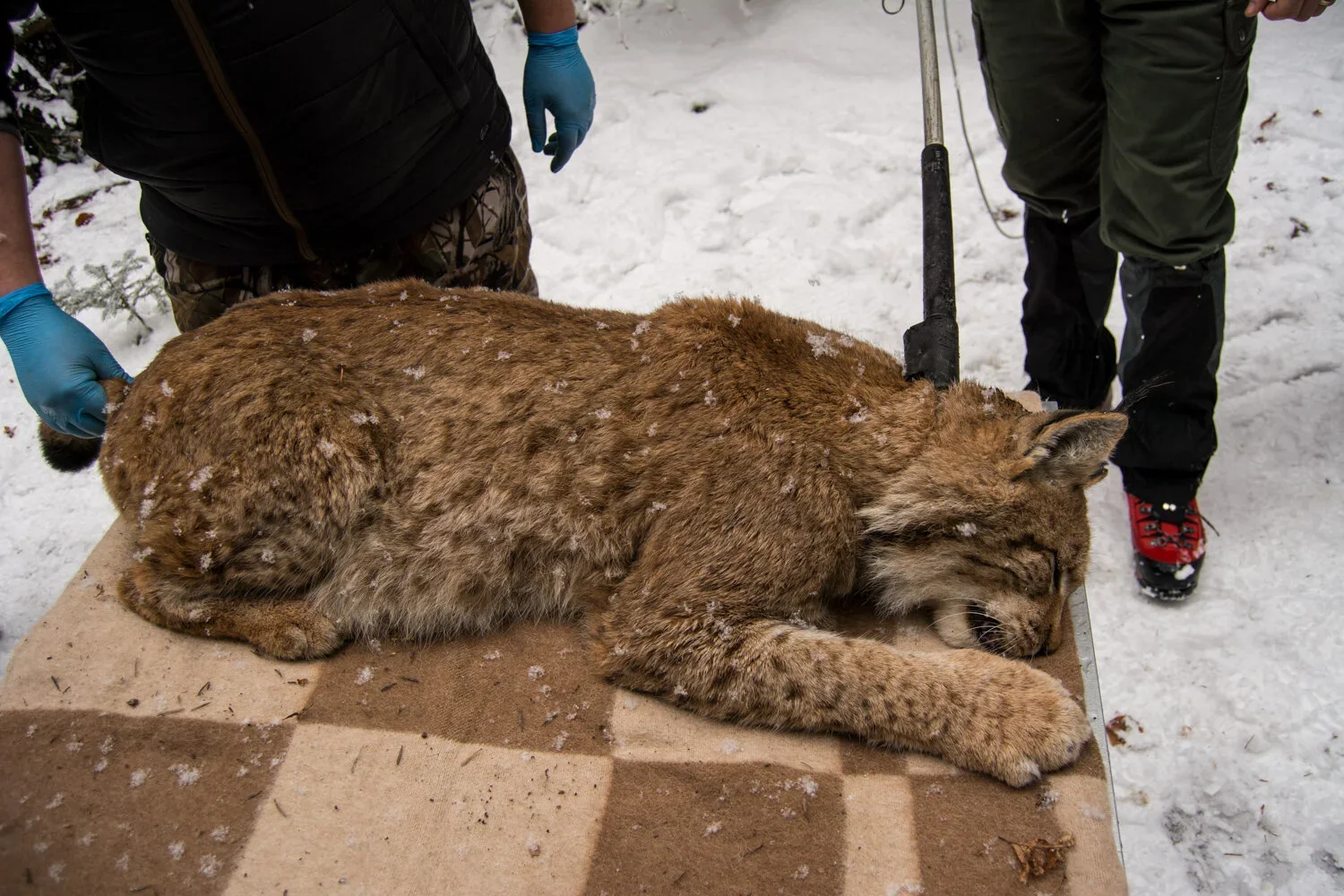
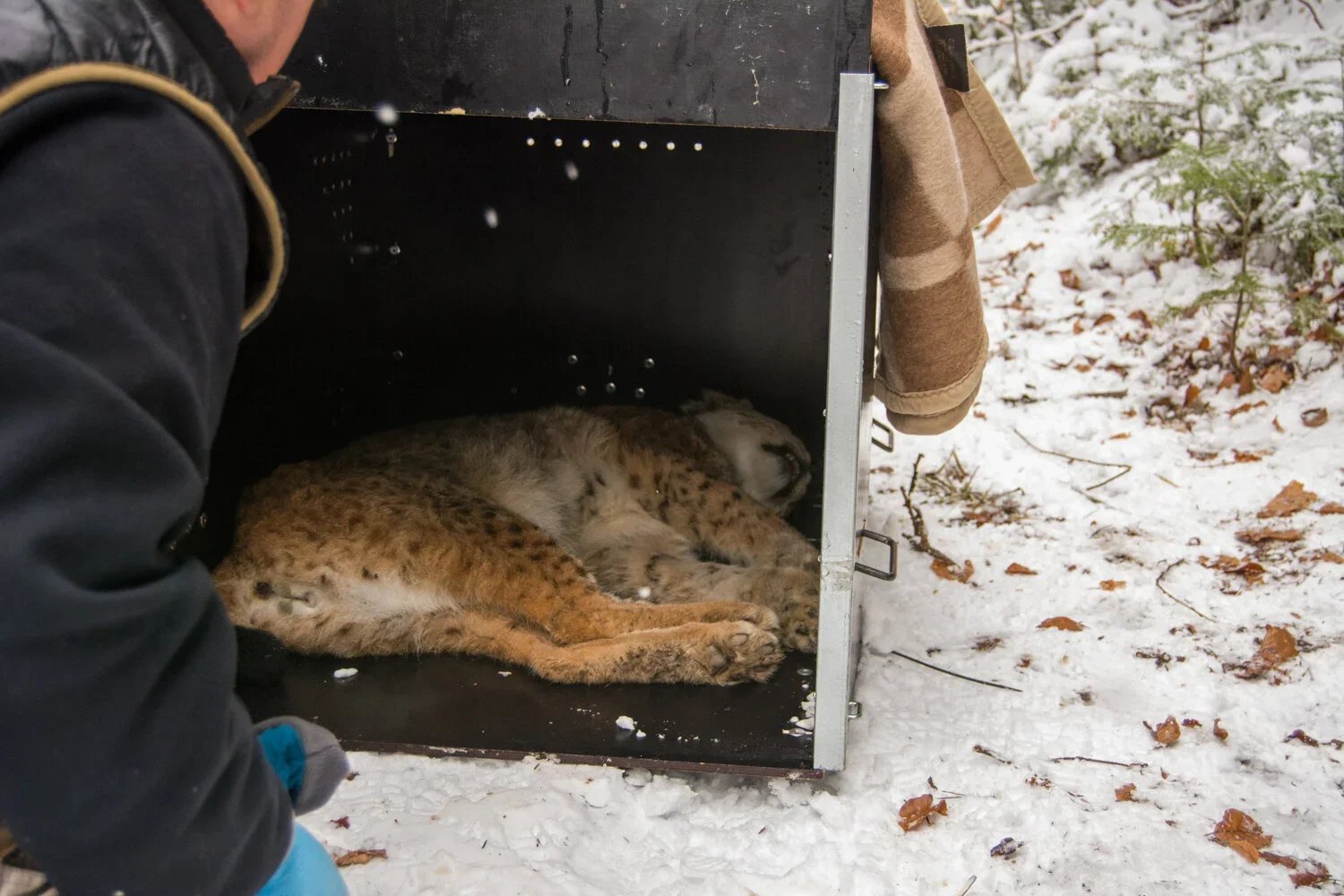
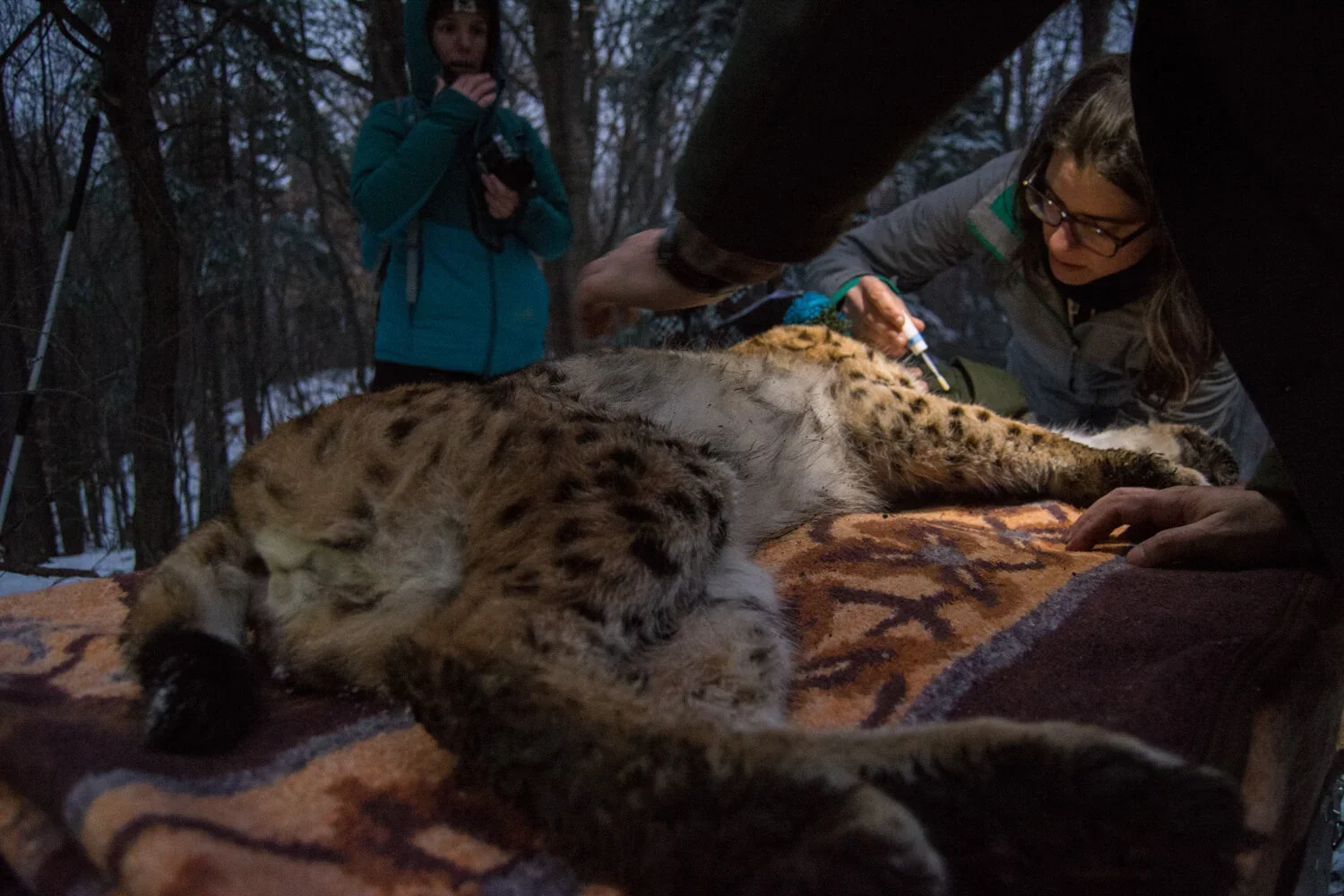
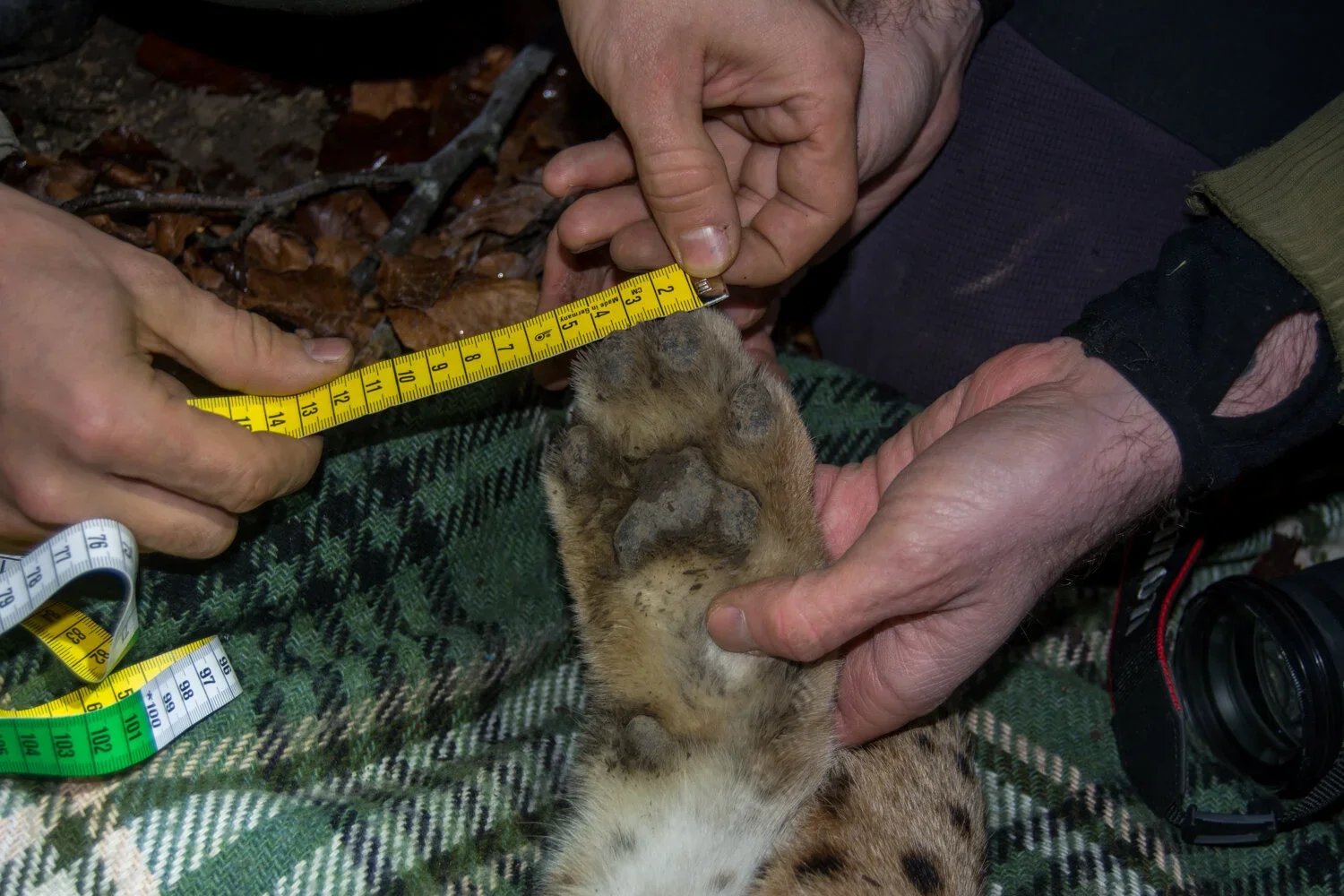
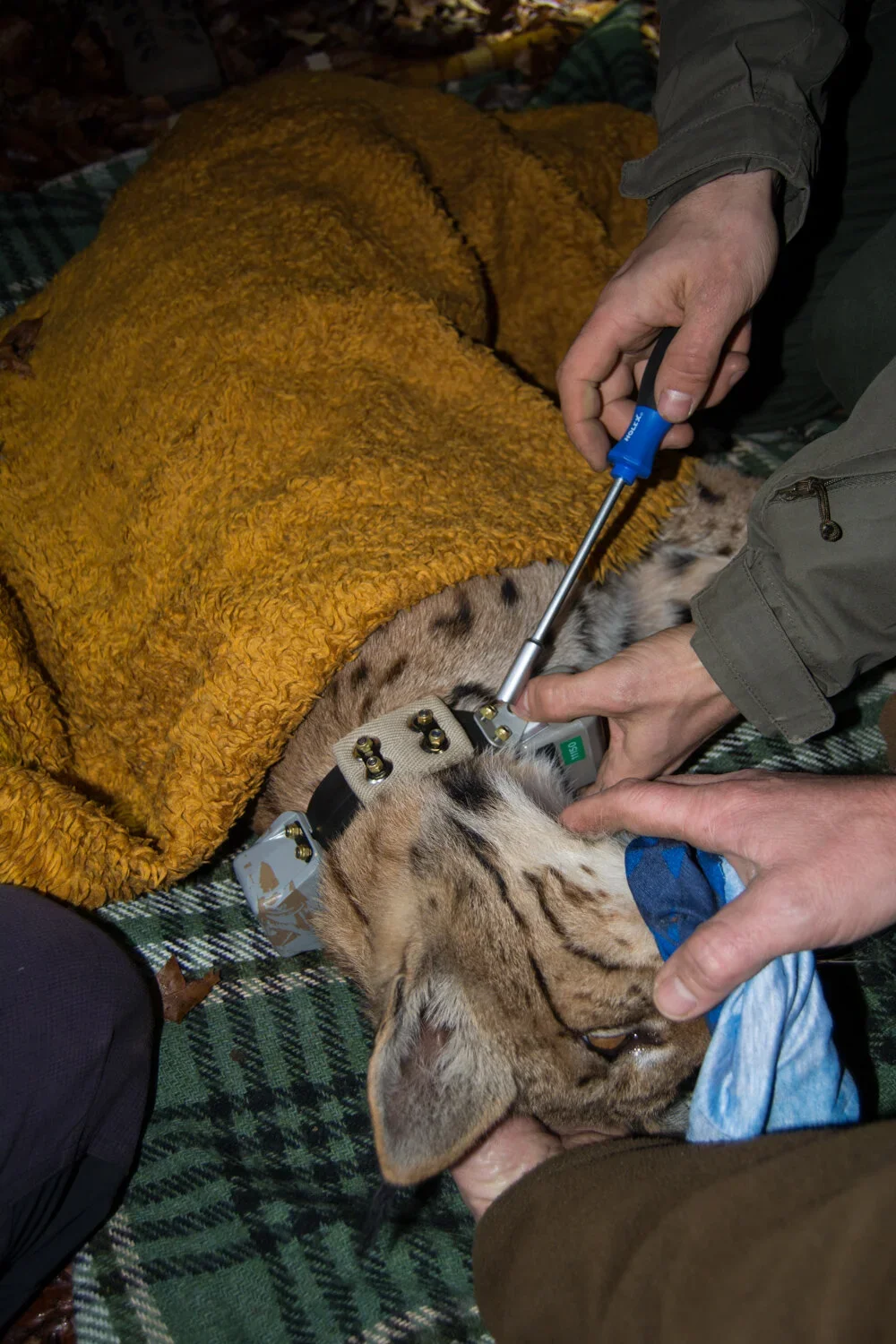
Eurasian Lynx Capture with collar fitting
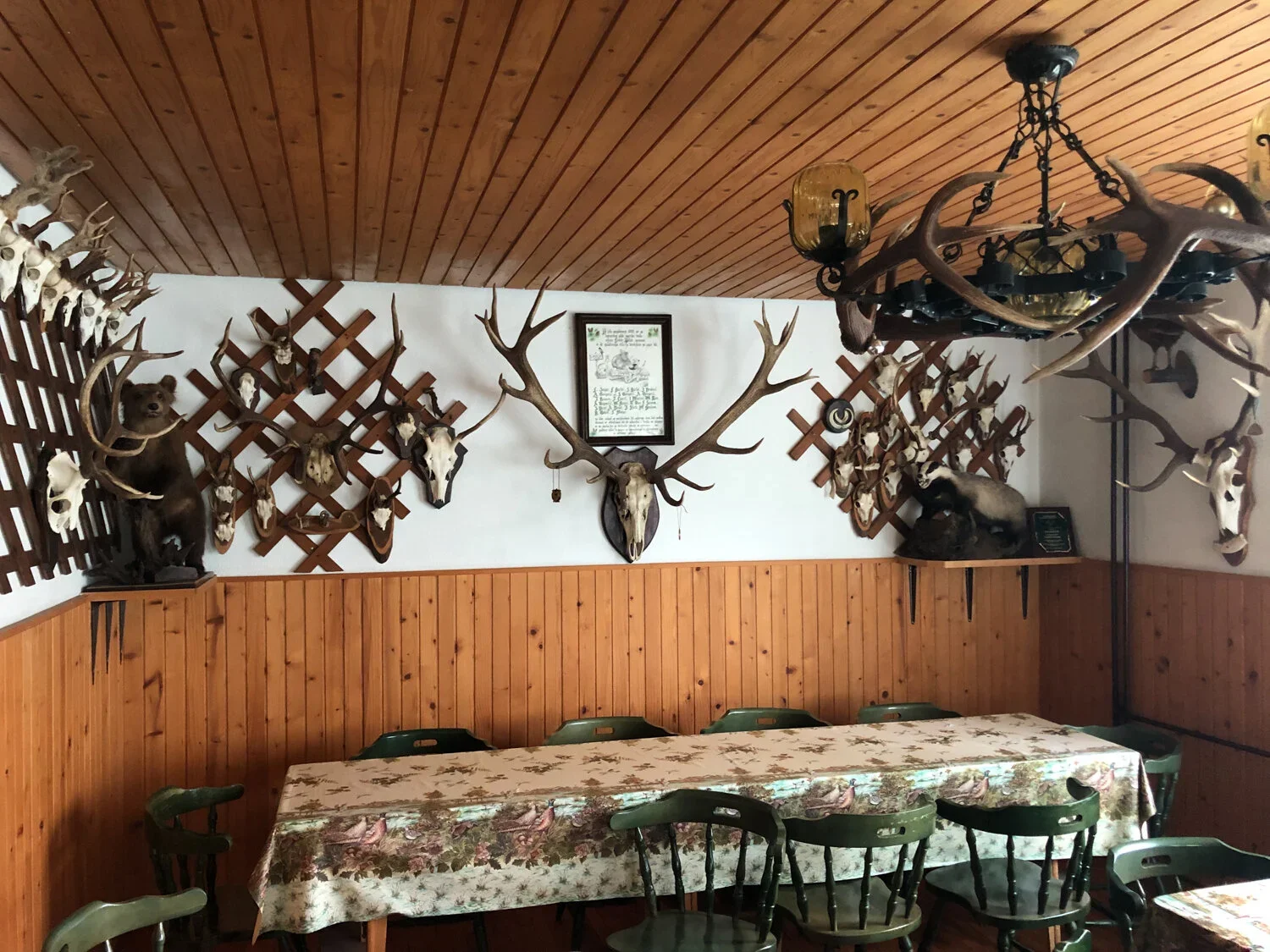
The Slovenian Hunting Association (Lovska zveza Slovenije), a collective of hunting clubs, or families as they are known in Slovenia, was founded in 1907. At the time Slovenia was part of the Austro-Hungarian empire. Today they are an NGO and have just under 21,000 members. They manage 411 hunting grounds. Lovska zveza Slovenije perform an educational role for the state. Overseeing the state exam of hunting, and the state exam of hunting grounds. They publish books and educate the general public and so on. Lovska zveza Slovenije have also been instrumental, and one of the loudest voices, in saving their deteriorating lynx population. It was always known that more lynx should have been introduced. Twenty-six lynx were released, in 1972, just in Weber’s homeland of Switzerland, yet just six were released in Slovenia, in 1973, and the population was a smoking gun from the start. Director of the Slovenian Hunters' Association Srečko Žerjav, admits “In ’73 (out of the six reintroduced lynx) it was a mother and a son, and a brother and sister, so in the very beginning we were in a mess”. The reason more were not released is simple, Srečko explains, “money”, “money and lack of government support”, he continues “there was an opportunity to get some lynx from Switzerland, and only the hunting association were supporting it”. “We were simply not financially strong enough to finance that project, the ministry have no money, and that project just went by.
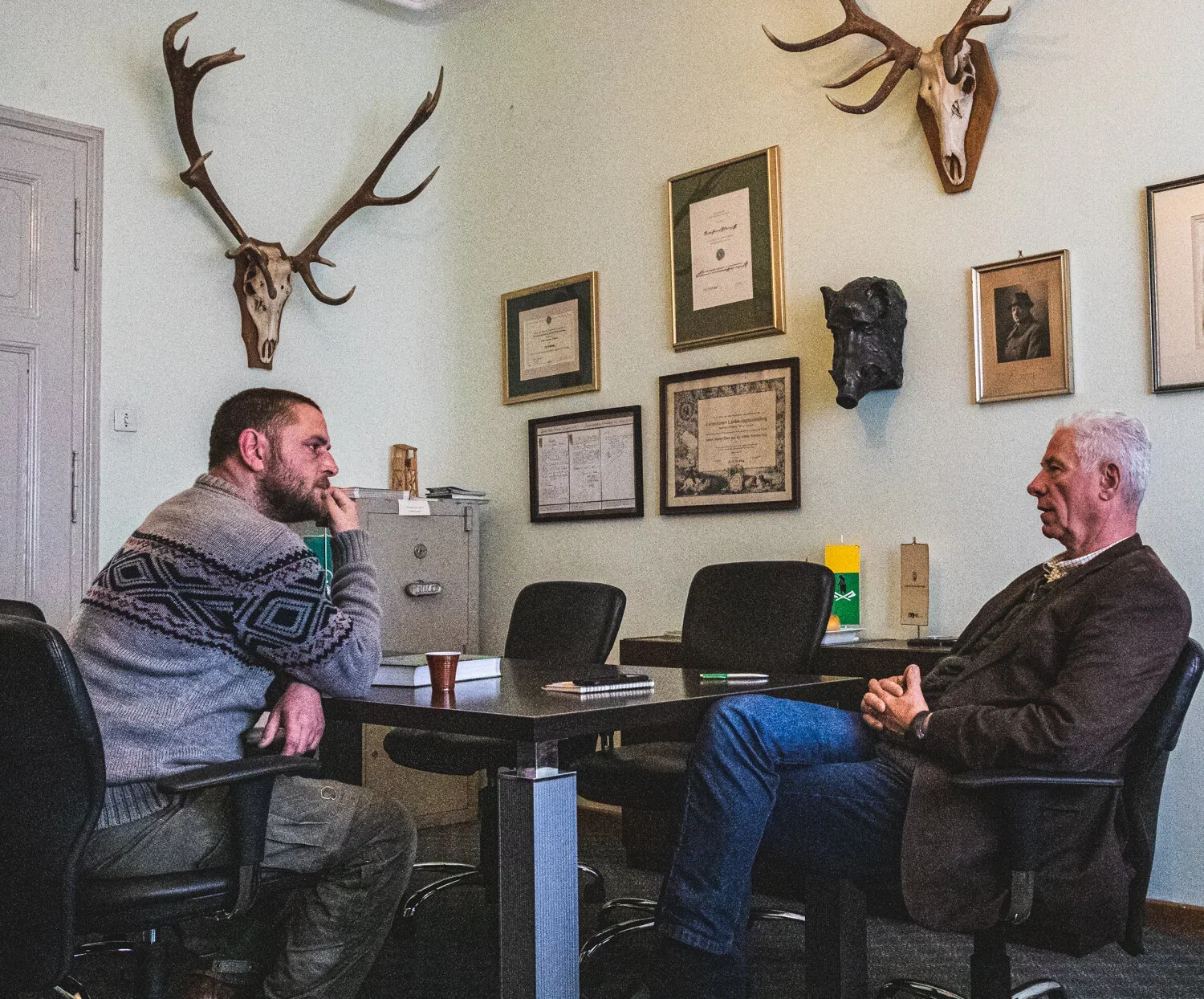
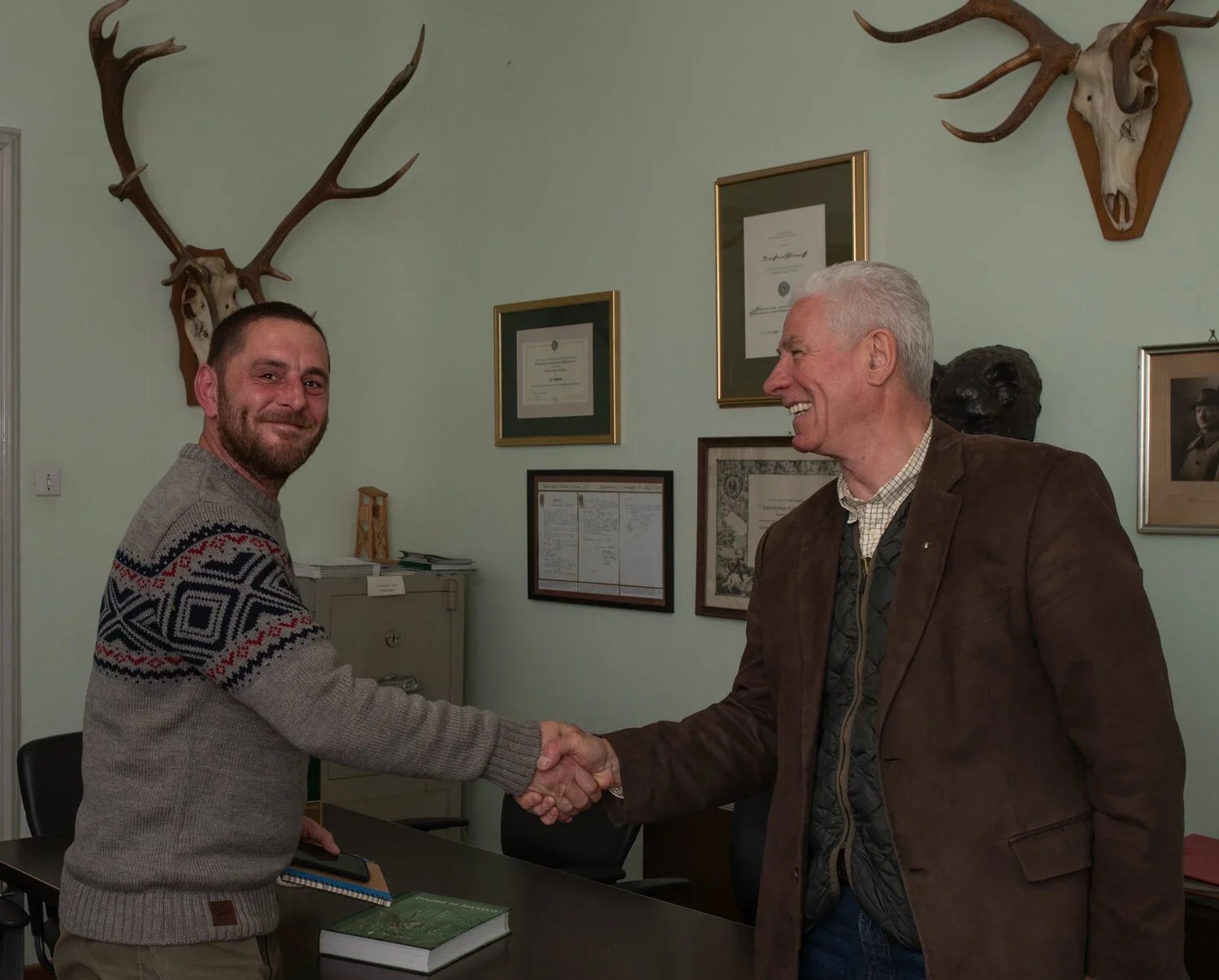
Srečko Žerjav (right), The Director of the Slovenian Hunting Association
Decades of political turmoil followed, with the fall of communism and the break-up of the former Yugoslavia and the resultant Balkan wars. However, Lovska zveza Slovenije, and Zavod za gozdove Slovenije (Slovenian forest service – SFS), were still concerned about the perilous state of lynx in Slovenia. Srečko Žerjav felt he owed it to not only his colleagues, as part of his heritage as a hunter, but also to the ecology of Slovenia. He, his association, and ZGS, believe in a fully functioning ecosystem, complete with large carnivores, “It’s a part of the story, if you want to have roe deer, if you want to have mouflon, or some other species then lynx should be present, and have an influence”. The university had long pushed for population reinforcement and were joined by SFS when Rok Černe began taking leading positions within them, around 2010. Rok knew he wanted to work with large carnivores while undertaking his master’s thesis at University, “it was my dream” he states. After working his way up through the forest service Rok saw the opportunity to work on projects with a focus on coexistence with large carnivores. He was project leader on the 2010 SloWolf and 2014 (award winning) Dinalp Bear projects. He now heads up the LIFE lynx project as project leader.
The opportunity to apply for funding through the LIFE programme, the European Union’s funding instrument for environment and climate action, to get the ball rolling. On July 1st, 2017, after close to a decade in the planning, with an EU Financial Contribution of €4,081,404.00, and a total budget of €6,829,377.00, the project “Preventing the Extinction of the Dinaric-SE Alpine Lynx Population Through Reinforcement and Long-term Conservation” or “LIFE Lynx” was born.
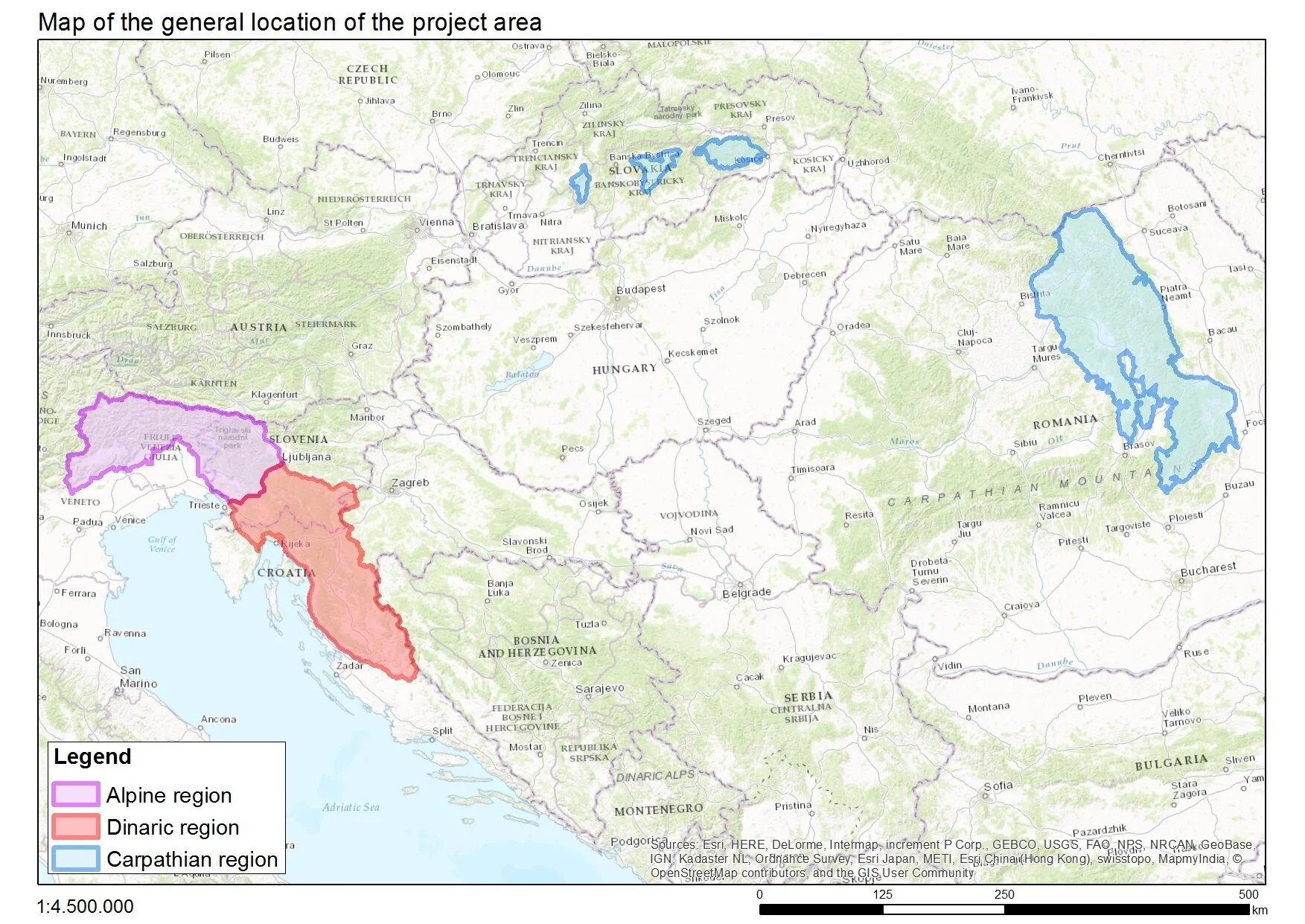
The main aim of the LIFE Lynx project is to improve population viability, and to ensure this well into the 21st century, through the translocation of lynx from viable source populations from within the Carpathians, to reduce the level of inbreeding and to increase genetic fitness. The project has set a target of translocating at least 14 individuals, seven from Romania, and seven from Slovakia, over the seven-year span of the project. Lovska zveza Slovenije and Zavod za gozdove Slovenije, are partnered with a further nine organisations from Slovenia, Croatia, Italy, Slovakia and Romania, several teams from the University of Ljubljana, including Tomaž Skrbinšek’s team, and Asociatia pentru Conservarea Diversității Biologice (ACDB) in Romania. Hunters, foresters, scientists, and conservationists working together, sharing the same goal; to restore the ailing Eurasian lynx population.
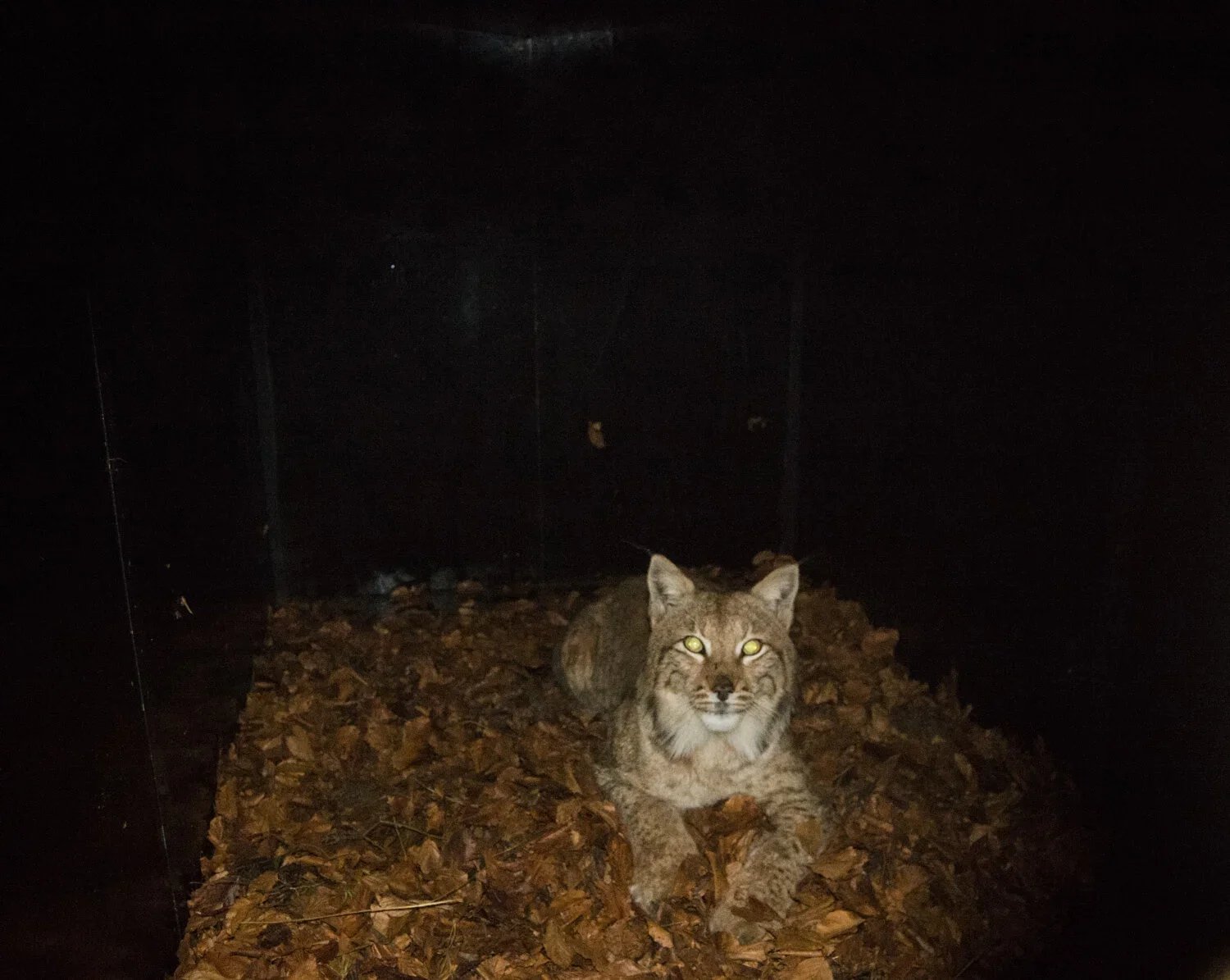
Goru started to groggily awake from sedation on the journey through Vrancea County, from near Lepşa to Focşani on Romania. Now wearing a collar, he was travelling in a transportation box, adapted to fit perfectly in a Dacia Duster project vehicle. The journey was not a long one, 60km or so, and soon he was being released into a large secure enclosure, especially designed and built, using EU funds, for the project. He took a few shaky furtive steps, scanned his surroundings, then leapt, for the safety and security of a platform, in the far corner, to sleep off his sedatives. A roe deer carcass, a roadkill casualty, had already been left in his enclosure, ahead of his arrival. Goru was to be held here, in quarantine, awaiting results from his tests for diseases such as rabies, and then being tested again, before making the long journey to release in Slovenia, where preparation for his arrival had already begun.
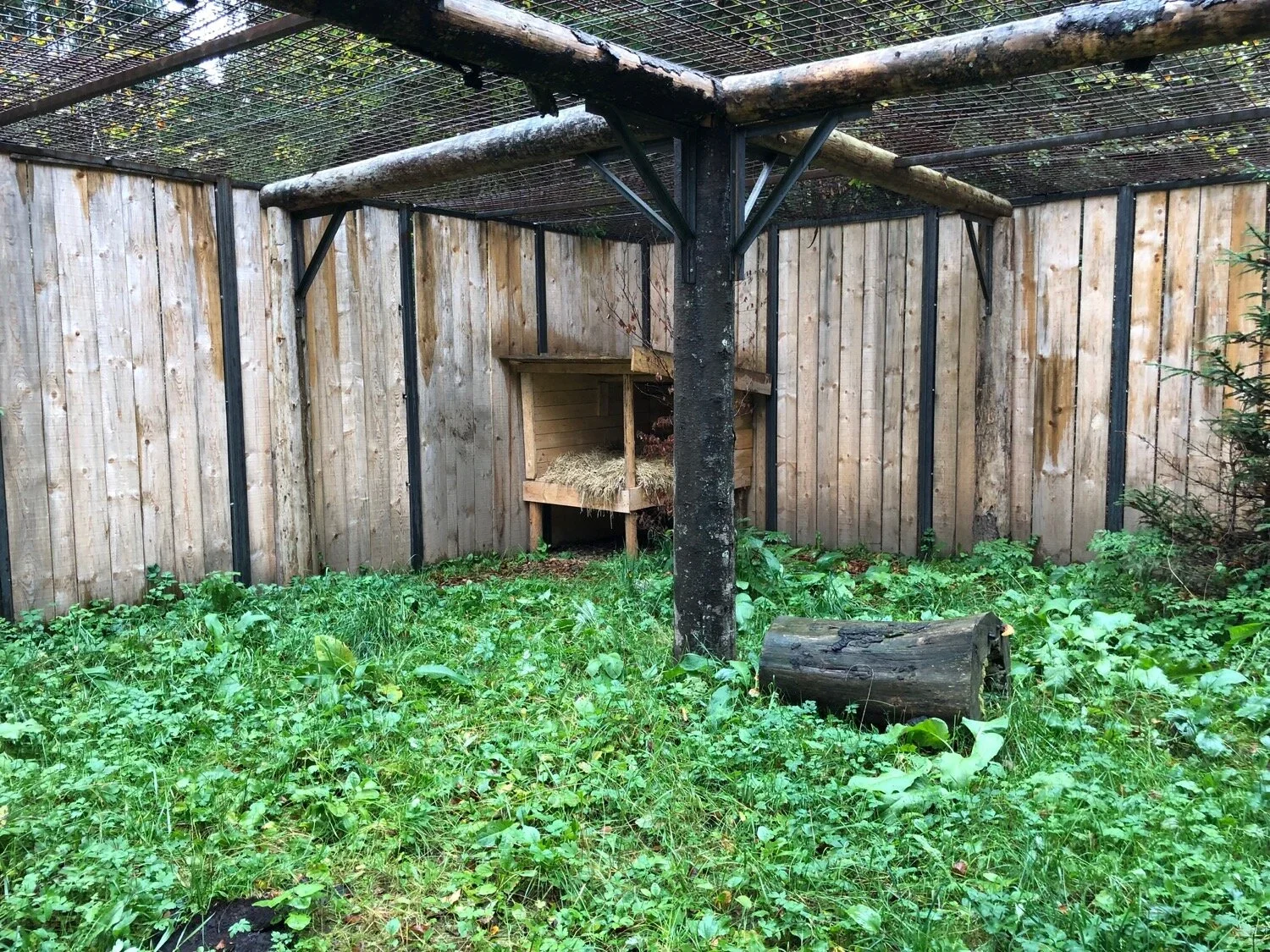
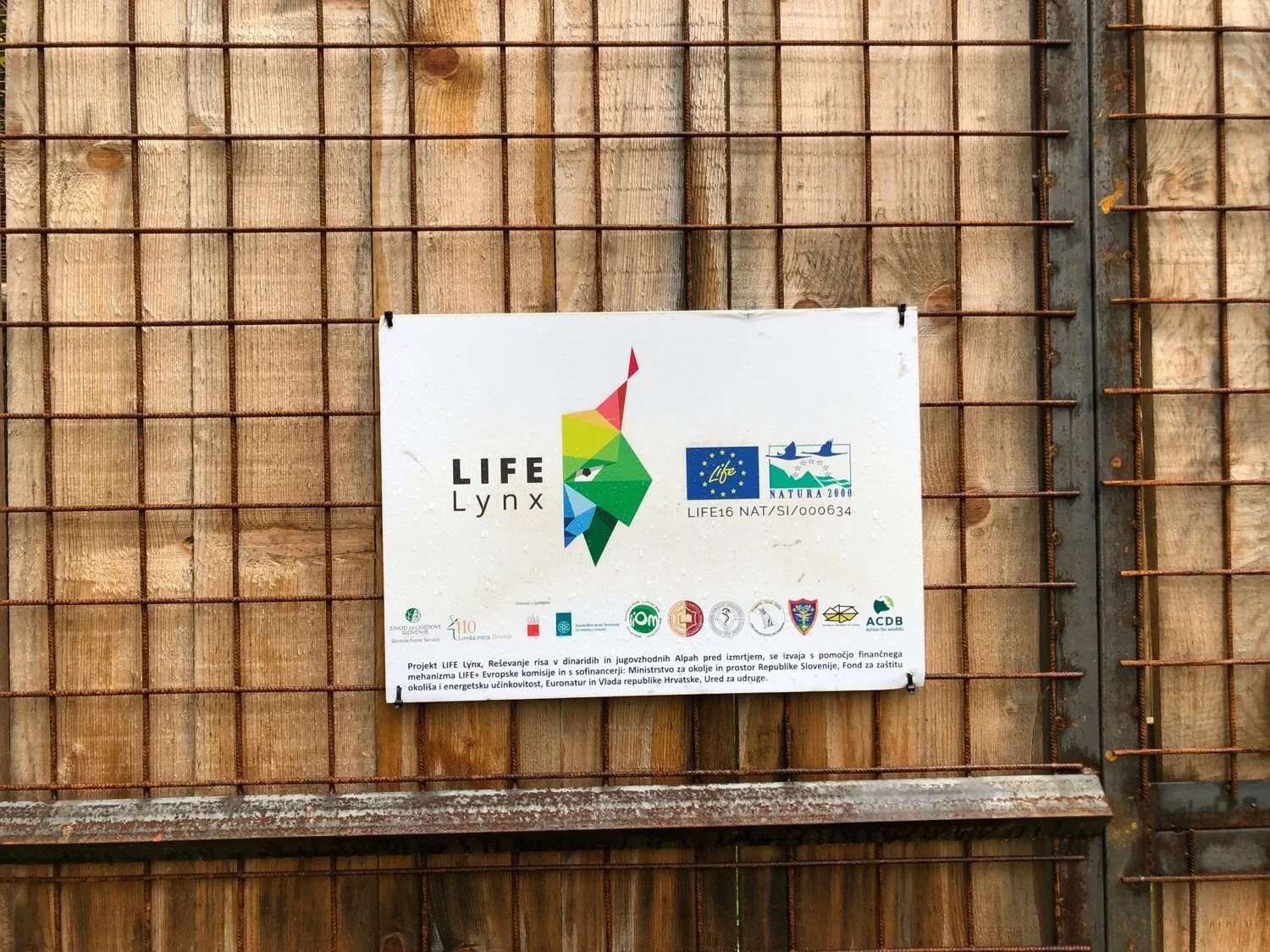
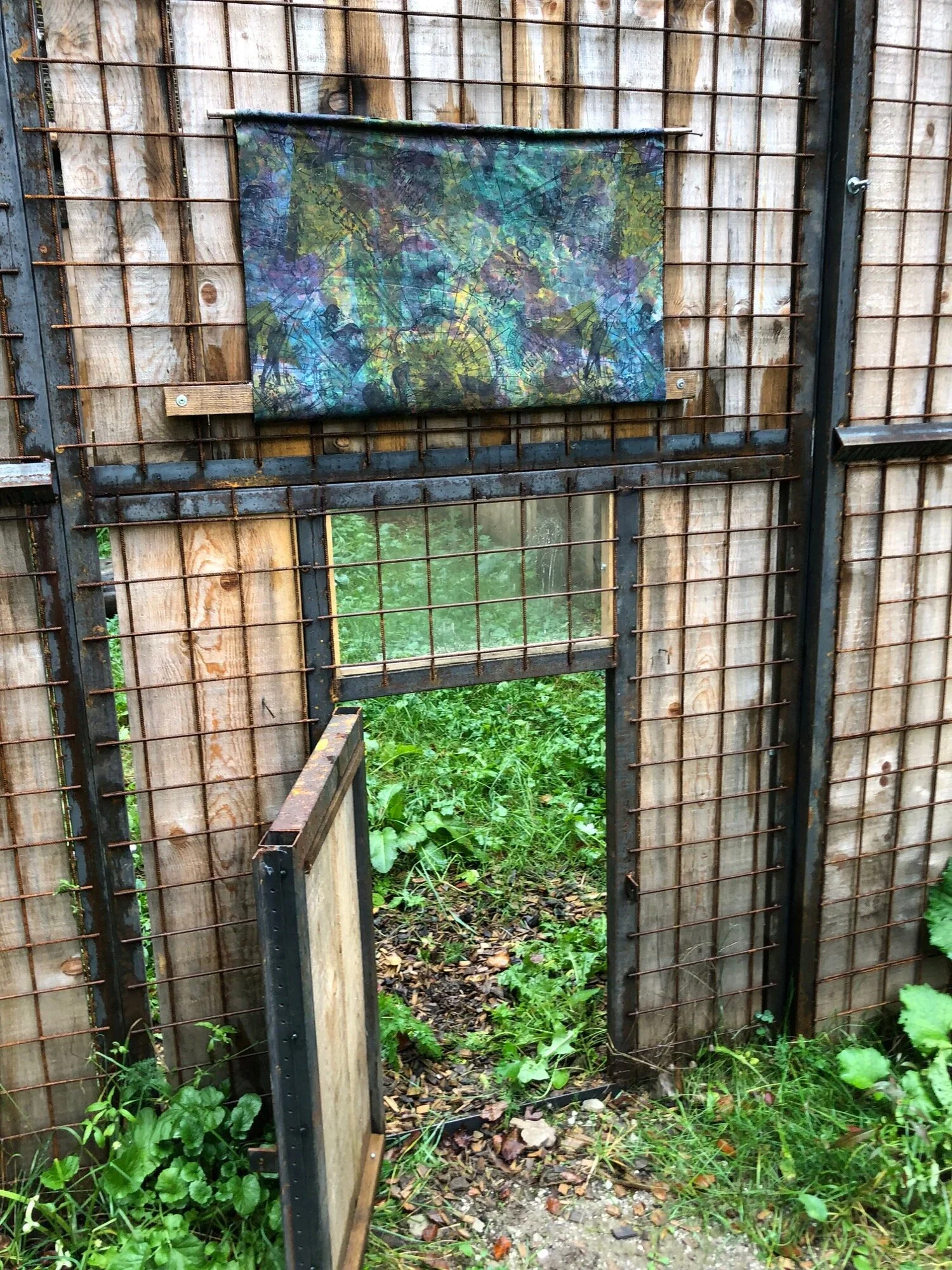
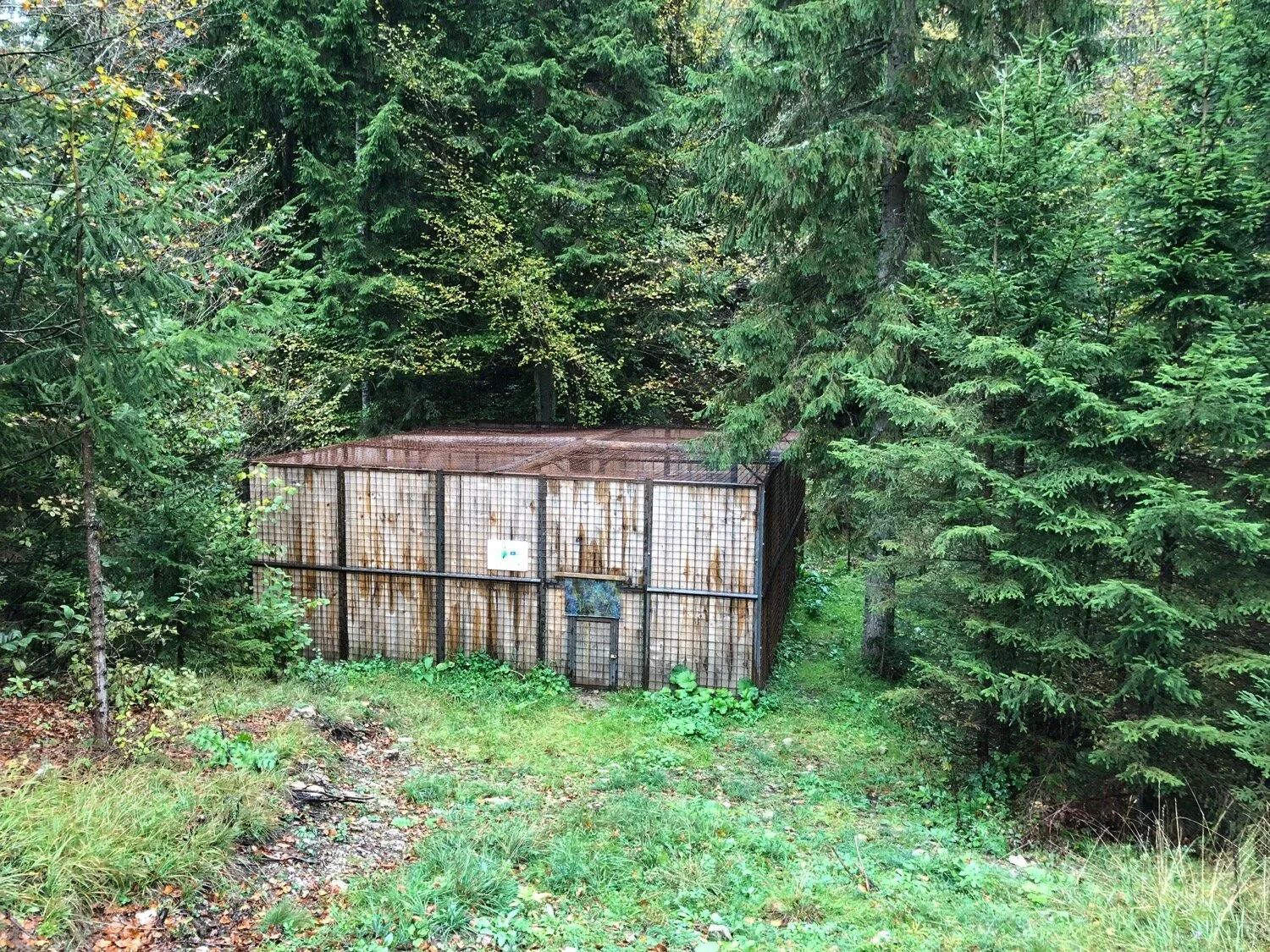
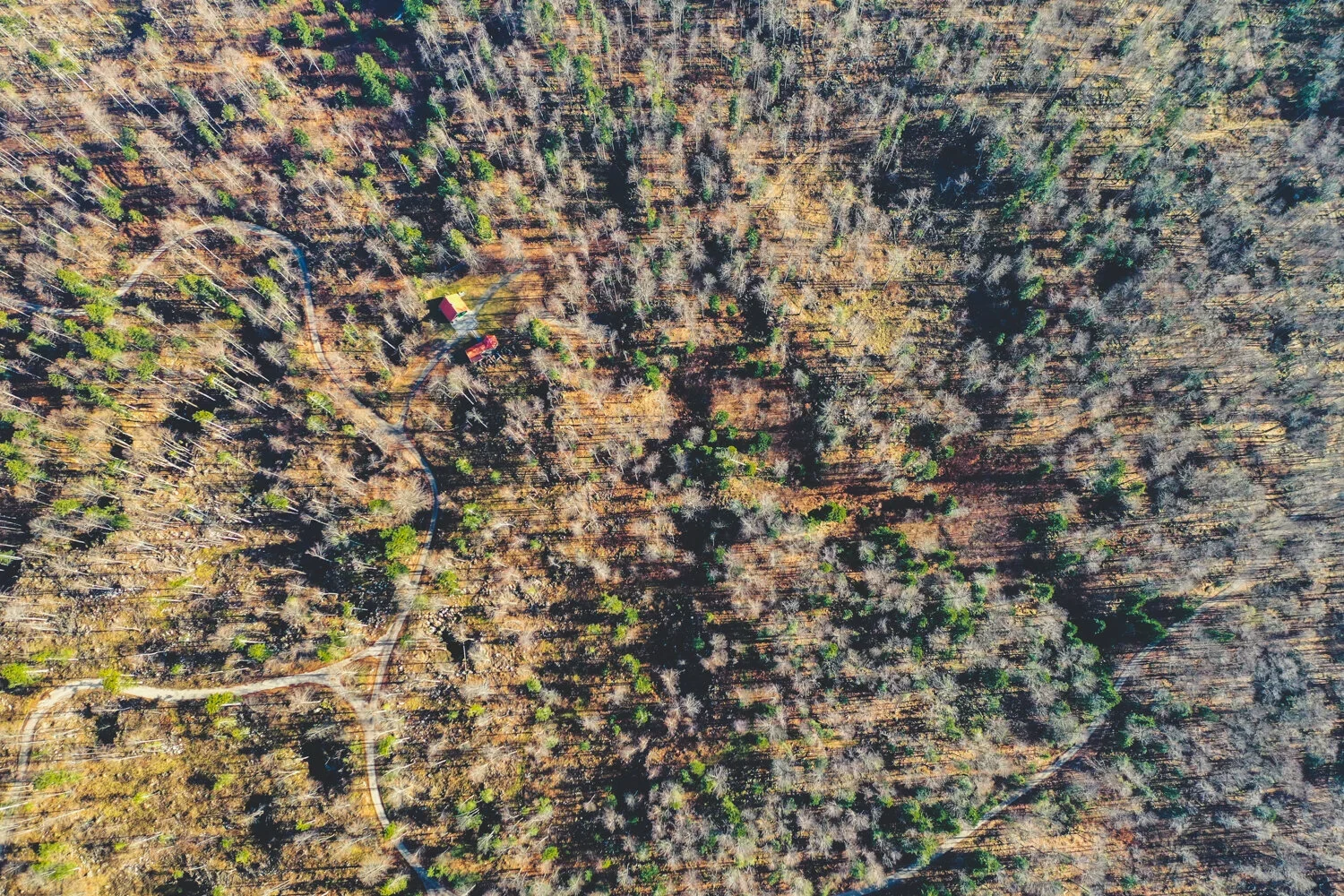
It had been decided, Goru was to be held to adjust to his new environment, a procedure known as a soft release, in Loški potok, a municipality in Southern Slovenia, close to the border with Croatia, pictured above. The site was chosen as it was well hidden, and far enough away from the villages to discourage curious locals, yet easily accessible to reach by car for emergencies and transportation of food – roe deer carcasses, and more importantly, a video monitoring system was established. While SFS constructed the enclosure, the Loški potok hunting family played a vital role in site selection, in sourcing timber, and hiring plant machinery etc. Their primary role was going to be to provide food, and to take care of Goru. Stanko Anzeljc, elder of the Loški potok hunting family sees the rescue of the lynx population as part of their heritage, a legacy, “the opportunity to be involved was very exciting”, “I never thought that one day my job would be looking after a lynx”, “it was an honour”, he adds.
A key objective of the project was to ensure it is a stakeholder-supported process in order to foster broader public acceptance. Support of lynx reinforcement would be safeguarded at local, regional, and national levels, while informing and maintaining support among the broader public. Communication is vitally important, as Tomaž Skrbinšek attests “the problematic part will not be the biology, of course our colleagues in Romania and Slovakia have to capture enough lynx so that we can release them”. “If things go very badly on the human measures part, if people get very sensitive about large carnivores, in general, so this flows into lynx, this is definitely going to be a problem”. “We’ll see how this works out, we have a lot of communication activities planned, and awareness raising, and films and all this stuff, basically for this purpose”.
In the twelve weeks that passed, while Goru was held in quarantine, the Romanian team caught another male lynx, this time in the Bacău county study area, where the team had been working alongside Regia Naţională a Pădurilor Romsilva (Romsilva) who own and manage over 65% of Romania’s forests for timber and hunting. ‘Doru’, as he was named in an online competition, was to be released in Croatia, but it was Goru who was to make the long journey, a journey of close to 1,400km, crossing the full width of Romania, west, through Hungary, and into Slovenia, to his holding enclosure in Loški potok. Goru travelled in a specially adapted transportation box, fitted with air conditioning, and a camera to allow constant surveillance. The project vehicle was driven by Rok Černe, and Aleš Pičulin, and accompanied by a Zoo vet, Pavel Kvapil complete with all the relevant paperwork and passports etc, and provisions made in advance with zoos en route in case of emergencies. As luck would have it, the journey passed without incident, and Goru was safely placed under the capable care of the Stanko Anzeljc and the Loški potok hunting family.
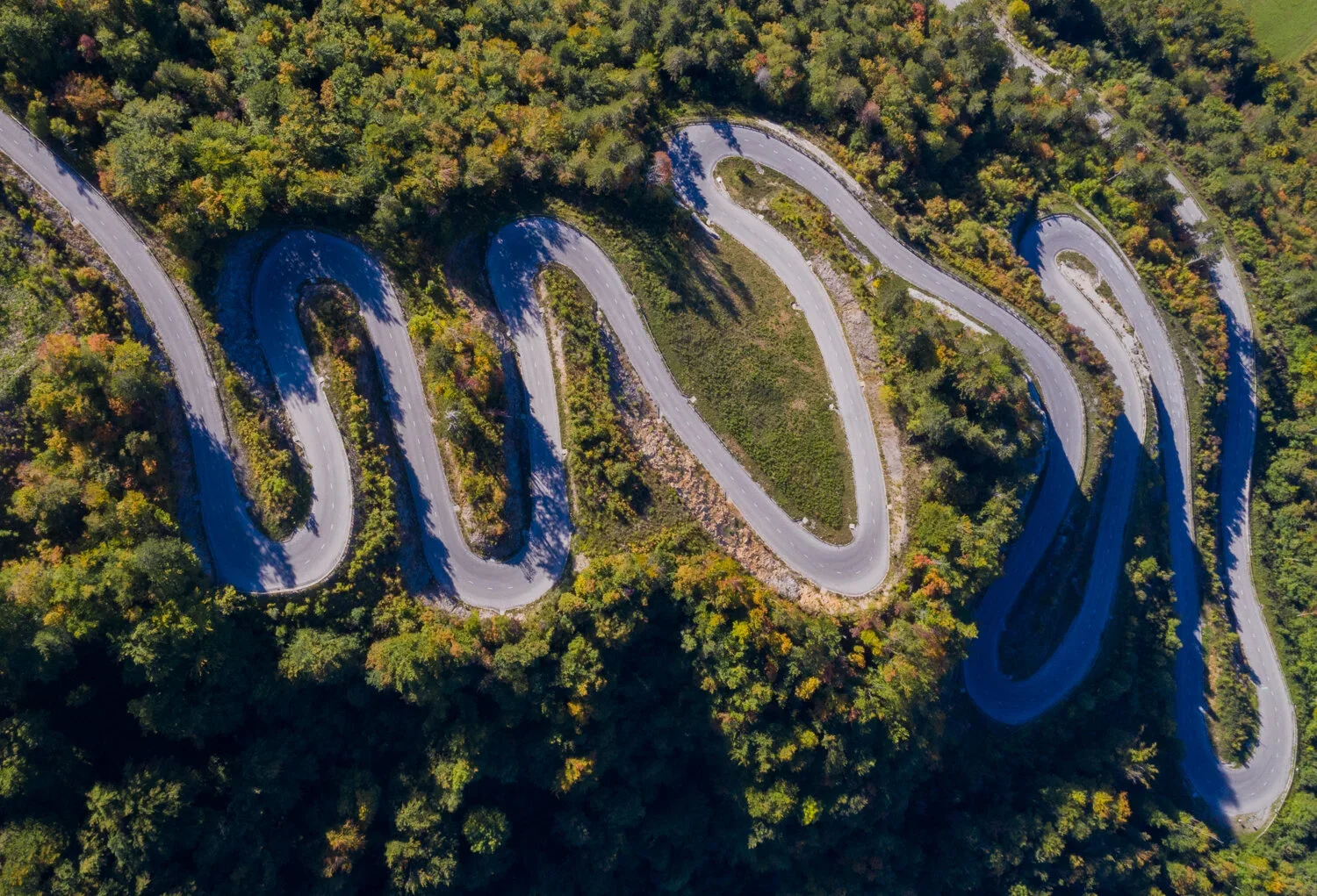
Around this time, a female lynx, named Teja, was captured in Slovenia as part of the ongoing project to understand movement, hunting behaviour and also follow how new animals include themselves within the lynx population. She had samples taken, data recorded, and was released again with a satellite tracking collar fitted around her neck. One of the objectives of the project was the development of science-based management tools for strategic planning and decision making to ensure the long-term viability of lynx, using computer modelling based on data from the project to understand how to genetically and demographically manage the population in the long term. This scientific information is to be incorporated into management plans. Tomaž Skrbinšek explained it in layman’s terms, “right now we are working to get the data to parameterise models”. “We’re currently getting baseline data”. We’re sampling as intensively as possible, whatever lynx samples we have”. “We have a historical timeline; our first sample is from 1978”. “So, only 5 years after the first reintroduction we have our first sample, and now we will try to establish, or re-establish, the situation immediately before the reintroduction”. “Before Goru and Doru reproduce, we’re collecting samples to try and understand the situation as clearly as possible”. “The moment when they start to contribute towards the population, then we’ll see how their genes get picked up”.
On May 14th, 2019, the door to Goru’s soft-release enclosure was opened by Stanko Anzeljc, elder of the Loški potok hunting family. Stanko describes that moment, “It all happened so fast that I didn’t have time to feel anything (laughing)”. “I did not expect that Goru would go out so fast, but I think when he saw freedom, the open space, he just went for it”. “One jump and he was gone”. The release was a huge event, and for Srečko Žerjav, especially, it was an emotional moment. Becoming visibly moved as he explains the release “It was very special, it brought back memories of people involved, there was one person, who was at the first release. I think that all the people there were enjoying a special moment, which it was, because seeing an animal released into the wild like this, after all this time, that was very special. Even if the weather would not cooperate. It was cold and it was snowing. It was the 14th May” He chuckled. “It was fantastic”, he adds, “he went out, that was very special. “He didn’t take a long time to come out, not even a minute”. “For a second, he checked, and then he was gone”. Tomaž Skrbinšek felt the enormity of the occasion to, “for all of us the release was an emotional moment, we have been working towards this for a long long time”. Lan Hočevar, and Teresa Oliveira, both now based in Slovenia, who were at the capture, were also lucky enough to be at his release. Lan working on the LIFE Lynx project as a researcher/field technician in University in Ljubljana, and Teresa undertaking a PhD in lynx movement ecology across Europe, under the supervision of Miha Krofel. Teresa is philosophical “it was an incredible experience, it was definitely a huge step for our team and for the project”, while Lan knows he’s lucky, “growing up with a passion for wildlife, especially lynx, I could not have dreamed of such a moment”, “To be with him on his journey, since the beginning in Romania, till the release in Slovenia was amazing”. Lan and Goru’s journey would not end there.
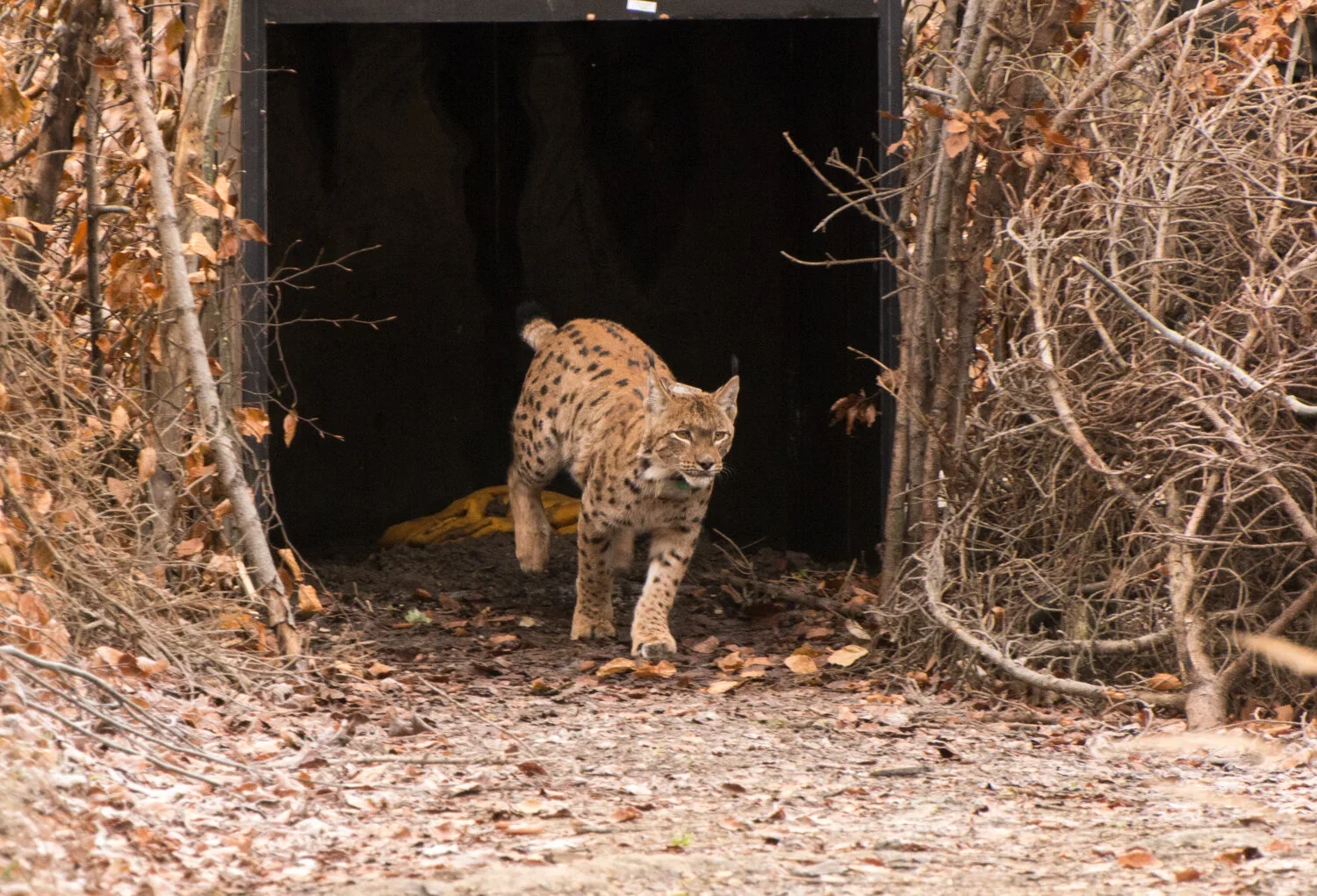
The release of Goru in Slovenia
Both Teresa and Lan are now part of the LIFE lynx team based in Slovenia, and part of their work allows analysis of data from satellite collars, Teresa for her research on lynx movement ecology, and Lan for his fieldwork, which involves visiting suspected kill sites to record predation data, and to set cameratraps. The data from Goru’s collar, showed that soon after his release he had roamed into Croatia in search of a territory. With Doru being released in Croatia, just a couple of weeks later, Slovenia now had no new lynx genes to boost their population, but what happened next was beyond expectation. Around June time, about a month after his release, signals from Goru’s collar were showing he was back in southern Slovenia, north of the town of Kočevje, in the hills near a settlement called Mala Gora, the territory of the female, Teja, who was captured and collared several weeks earlier! Tomaž Skrbinšek shakes his head in disbelief as he explains “we are so lucky, we captured a female and put a collar on”. “It wasn’t even in the area that Goru was released”. “He moved right there”. “They even shared the same prey”. “Total stroke of luck”, he grins. Goru went on to establish a territory in the region, another fortuitous juncture for Lan, “he established his home range near the city I live (Kočevje), that’s just crazy coincidence!” “I feel very lucky and privileged”. The luck did not end there. Nearly three months after the meeting between Goru and Teja, Teja was captured on cameratrap, with a kitten! A female Eurasian lynx is usually only receptive to a male for around seven days, at the beginning of Spring, with the change of temperature, and gestation lasts around 67 – 74 days. Judging by the size of the kitten, all fingers pointed to Goru being the dad, but it took the capture of the kitten, and DNA testing, to confirm this. The kitten, a female, was named Mala, meaning small. The project aim of increasing genetic diversity has well and truly begun.
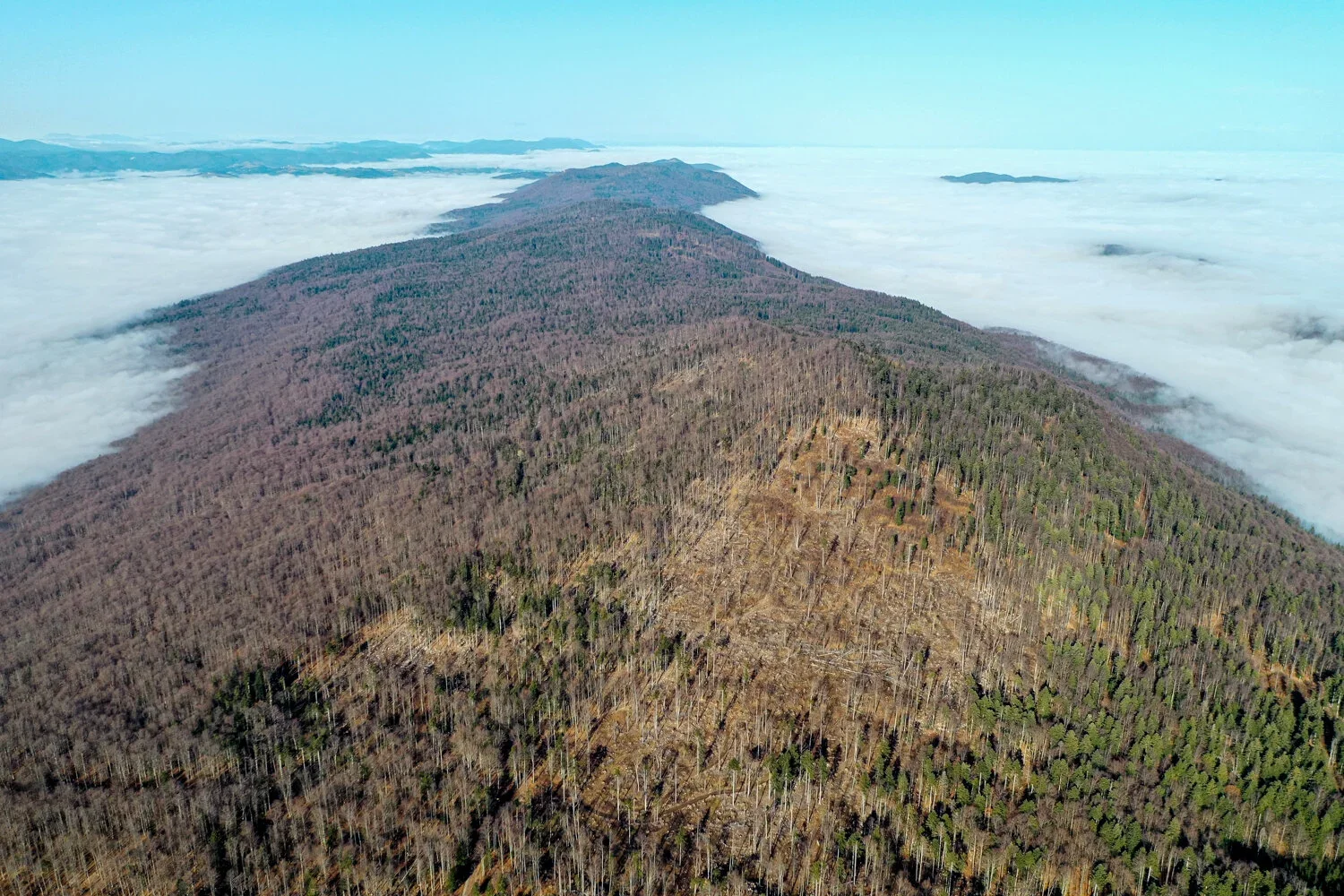
Goru’s territory, near Kočevje
Following the releases in 2019, earlier this year, 2020, the Romanian team successfully captured and transported a further three male lynx. One was released in the Paklenica National Park, Alojzije in Croatia. He was named Alojzije, after the Croatian researcher Alojzije Frković who was the main researcher for the lynx population in Croatia after the 1973 reintroduction of lynx in the Dinarics. The second, named Catalin, after a Romanian hunter involved in the capture, was released in the Snežnik forests of Slovenia. After exploring Učka and Gorski kotar in Croatia Catalin has now settled in the Snežnik forest and has now established a territory in Menišija and Logatec palteaus (apparently with a female) in Central Slovenia. The third Romanian lynx of 2020, and the second lynx to be held and released in Loški Potok, and again looked after by Stanko Anzeljc and the hunting family, a young male, was given the name ‘Boris’ (Ris is Slovenian for lynx) by local school children, pupils of the Sodražica Primary School , as part of the project activity ‘young guardians of the lynx’. Boris is now deep in Croatia not showing any clear signs of establishing a territory. Alongside the total of five Romanian lynx released in the Dinaric Alps of Slovenia and Croatia, Slovakian project team members have successfully transferred two lynx from Slovakia to Slovenia and Croatia. The first one, named Pino, in support and sympathy for Italy, who suffered heavy losses during the Covid-19 virus epidemic, was released in Northern Velebit. The second one named is Maks (hunters named him after the hunter Maks Konečnik who took care for the animals back in 1973. Maks Konečnik was also present at the release of Goru. He is more than 90 years old now) was soft-released from the quarantine enclosure in the Snežnik forests and settled down for a few months in the Javorniki Mountains but is now on the move again. Recently he became first lynx that managed to cross Ljubljana-Tirieste highway (very problematic road without any wildlife crossing, which has already stopped several dispersing lynx on their way towards the Alps)
Unfortunately, Since January 2020, the team have not received any new data from Doru’s collar, nor picked him up on cameratrap. It is hoped that he has left his territory in search of a mate, and perhaps his collar has run out of power, but there is also a fear, the worst-case scenario, that Doru ran into some kind of trouble. There is a real fear that Doru has been killed by poachers and has had his collar destroyed, any other mortality cause would keep the collar working (and send mortality signals). Another worrying sign is that Maks stayed in Doru’s territory for several months this year, something that would be extremely unlikely as male lynx are very territorial. In the second mating season since his release, Goru left his territory near Kočevje, and ventured 50km into Croatia, for one month, in search of an additional mate. It is likely that Goru maybe encountered more than one female, as it has been confirmed that there were three females in the area he passed through. He seems to be doing a great job of spreading his Romanian genes! He, to the relief of Lan, returned to his territory in Slovenia, “Yes, I was worried he wouldn’t come back”. “In this period I learned a lot about lynx in general, so I would say he is my lynx teacher, when I am trying to see the signs of presence of lynx in other areas I look for same patterns of behaviour as Goru, and that helps me a lot”. “Every time I see him in forest, which doesn’t happen often, I am always amazed how majestic and elusive lynx are”. Goru’s satellite collar has been programmed to drop off in August 2020, a collar he has worn for 18 months. Thanks to this collar it has been possible to monitor his movements, detect kill sites and document his adventure during the mating season. To monitor him further, the collar must be changed before the old one drops off.
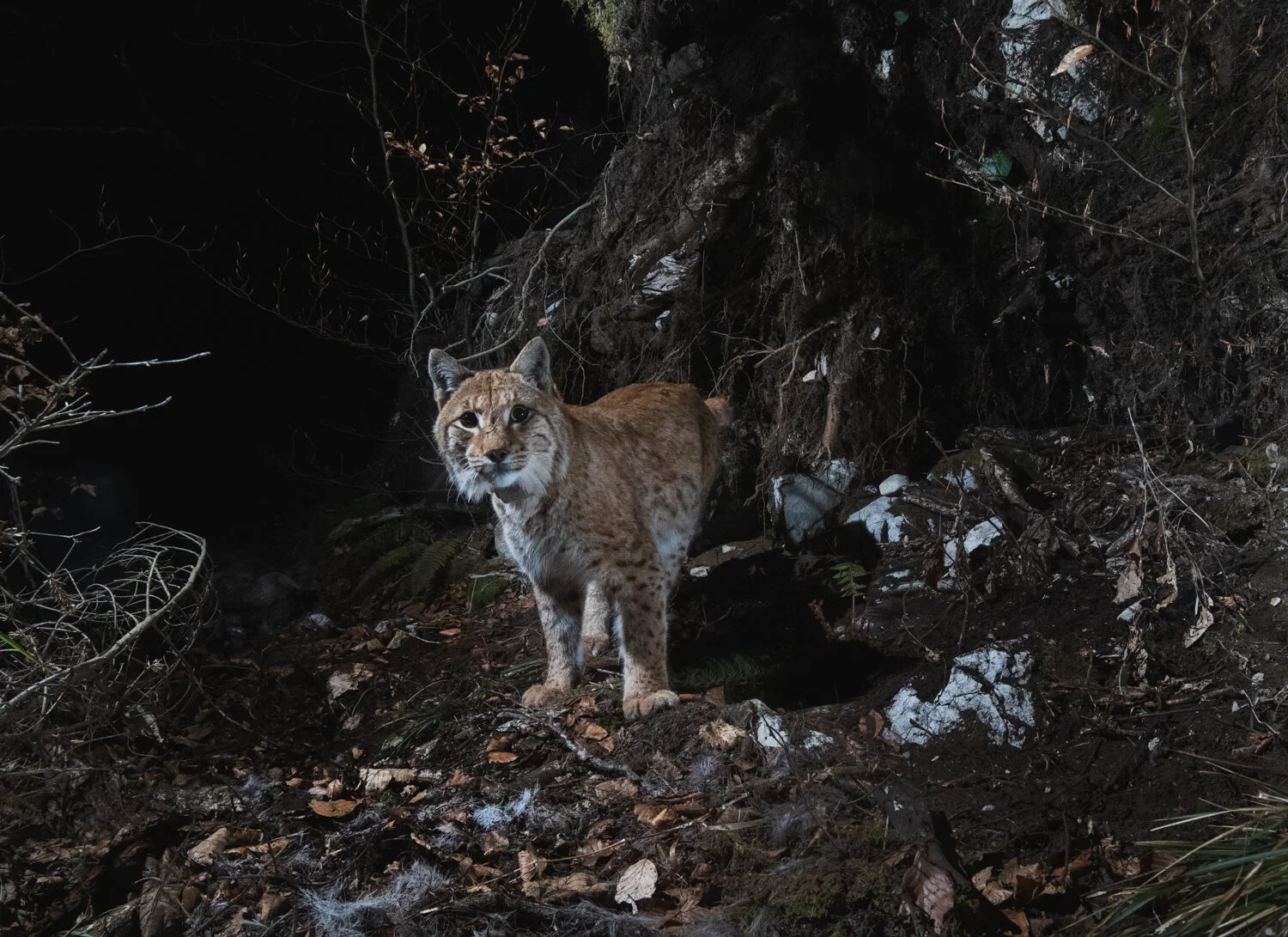
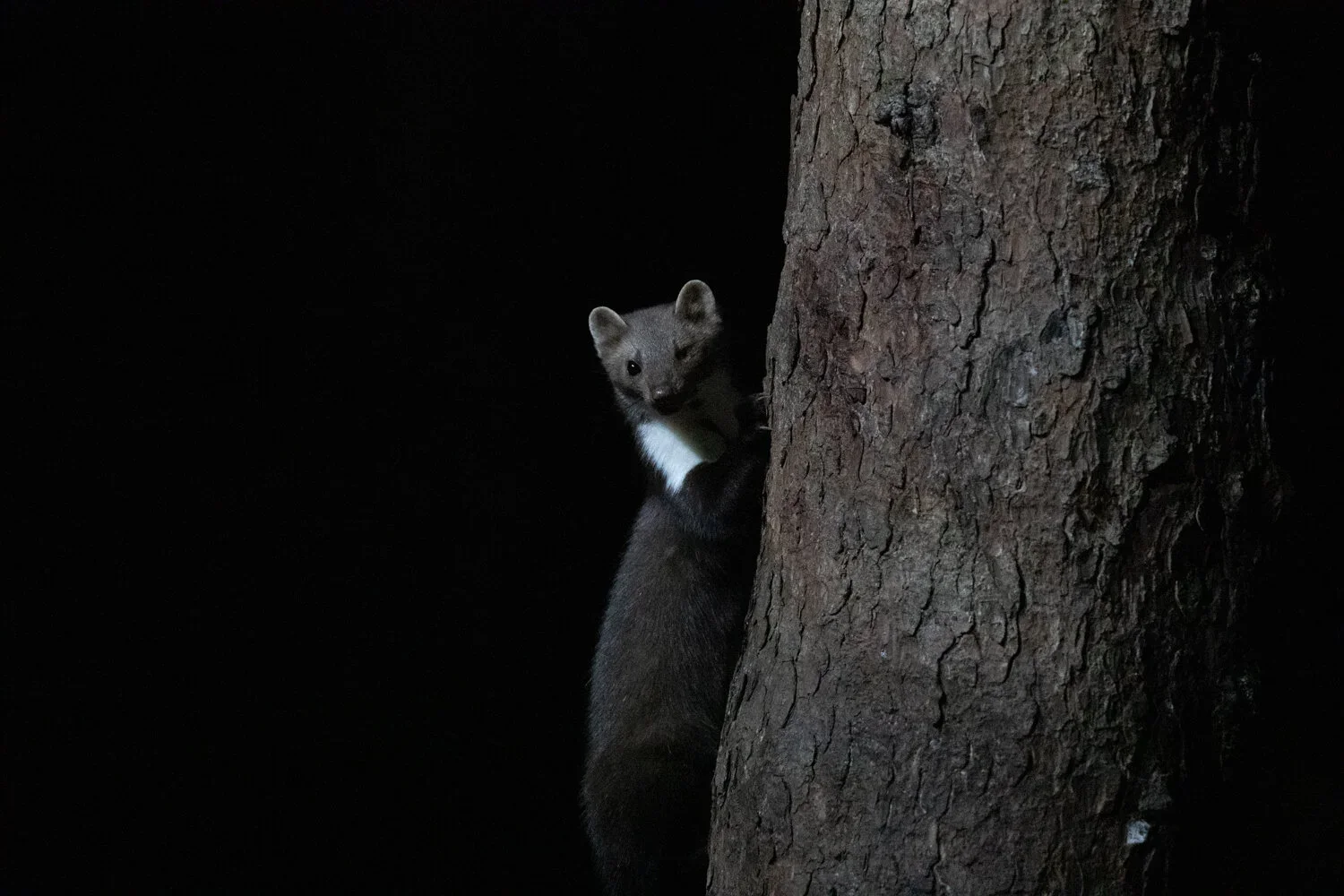
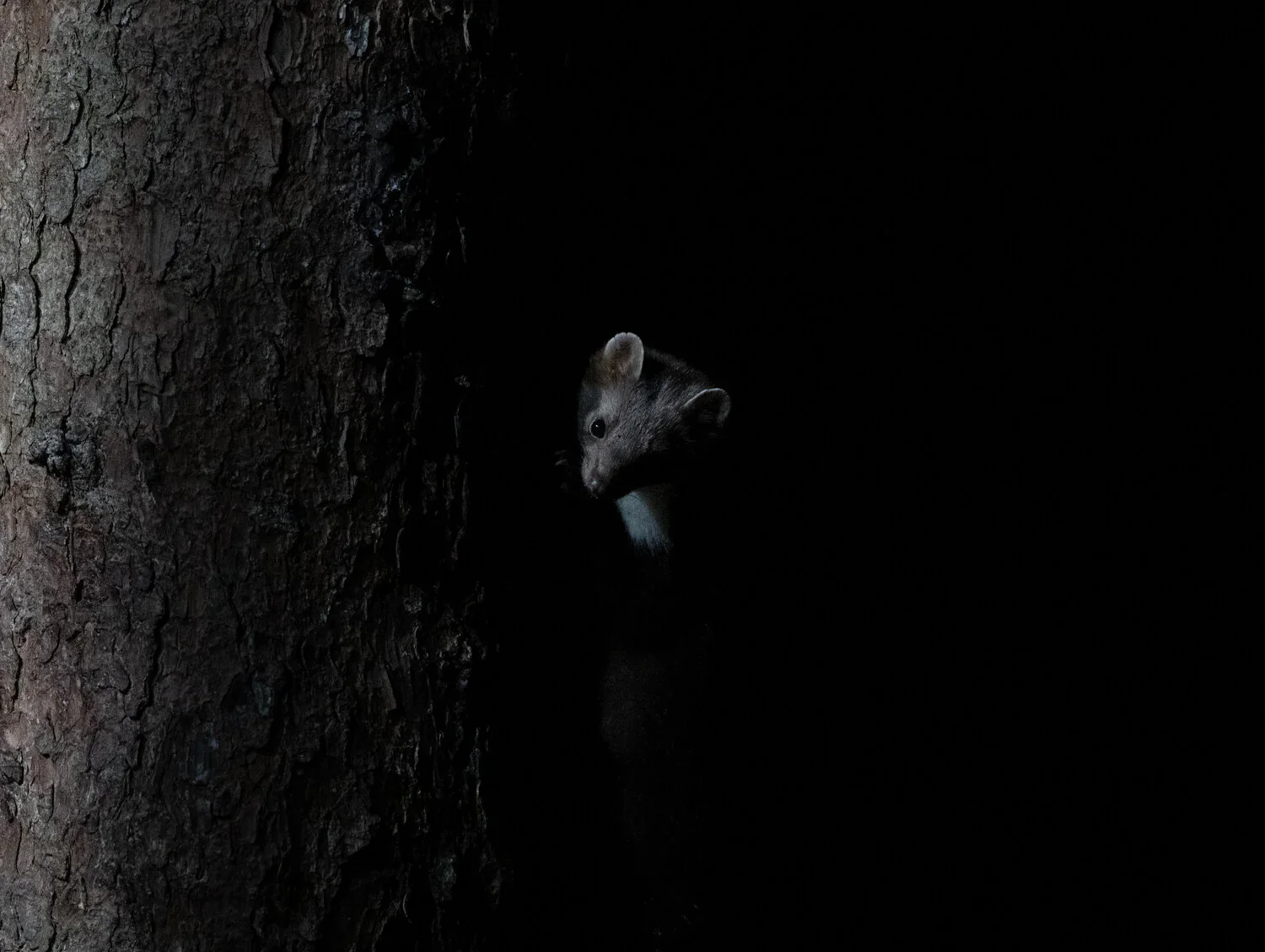
Our first photo of Goru in the wild in Slovenia, and the first ever DSLR capture of a lynx in Slovenia
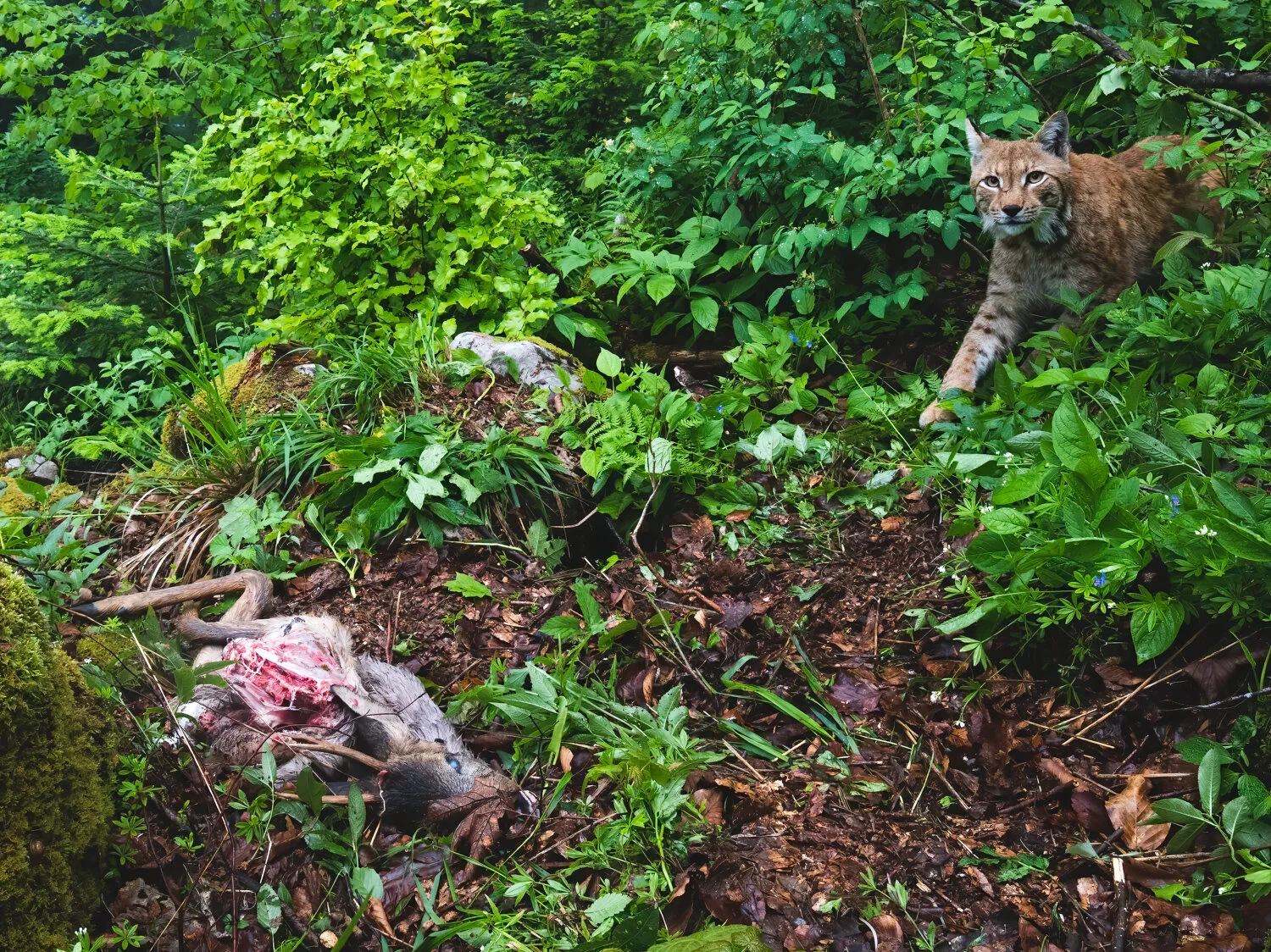
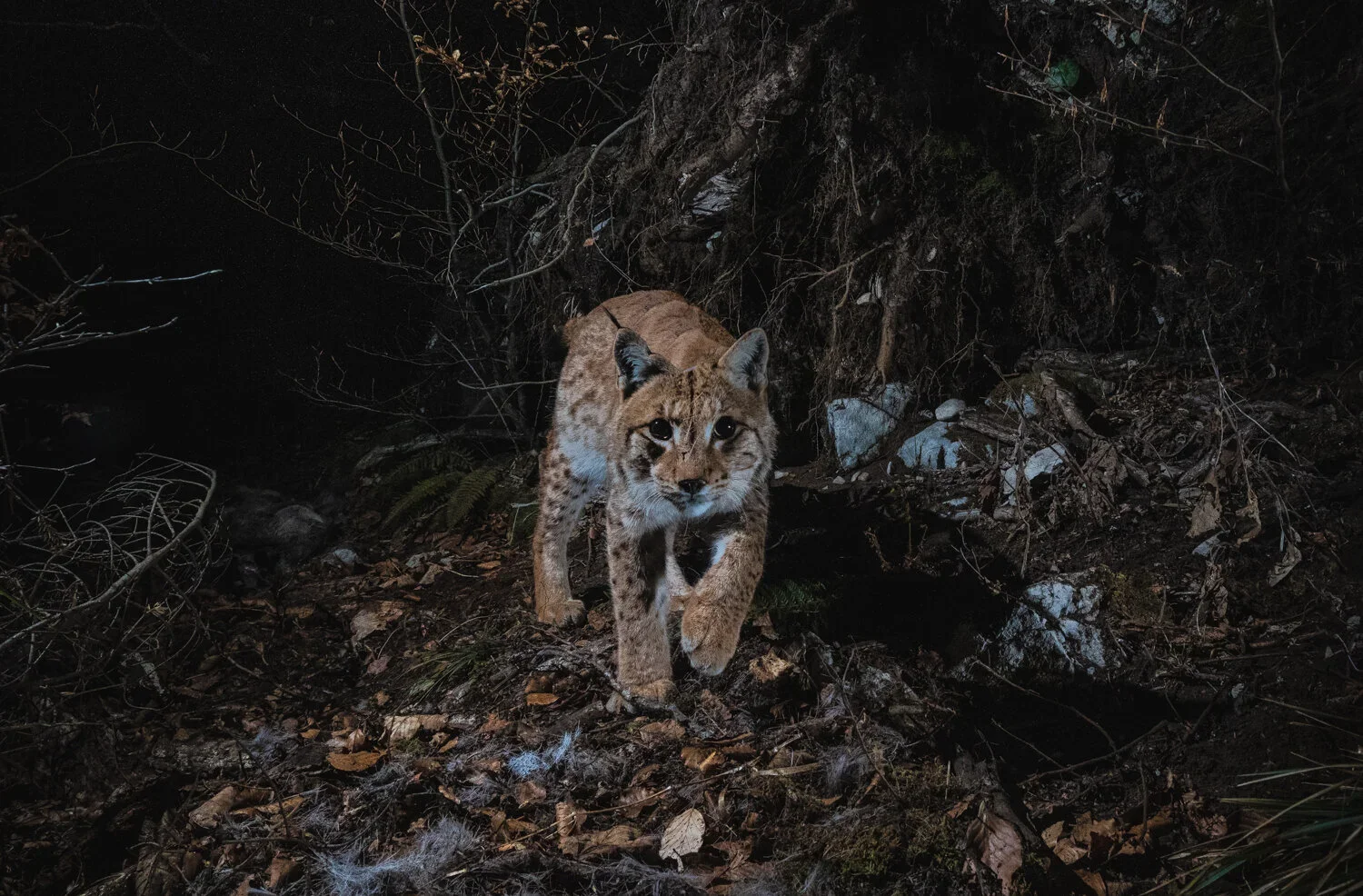
The legend that is Goru!
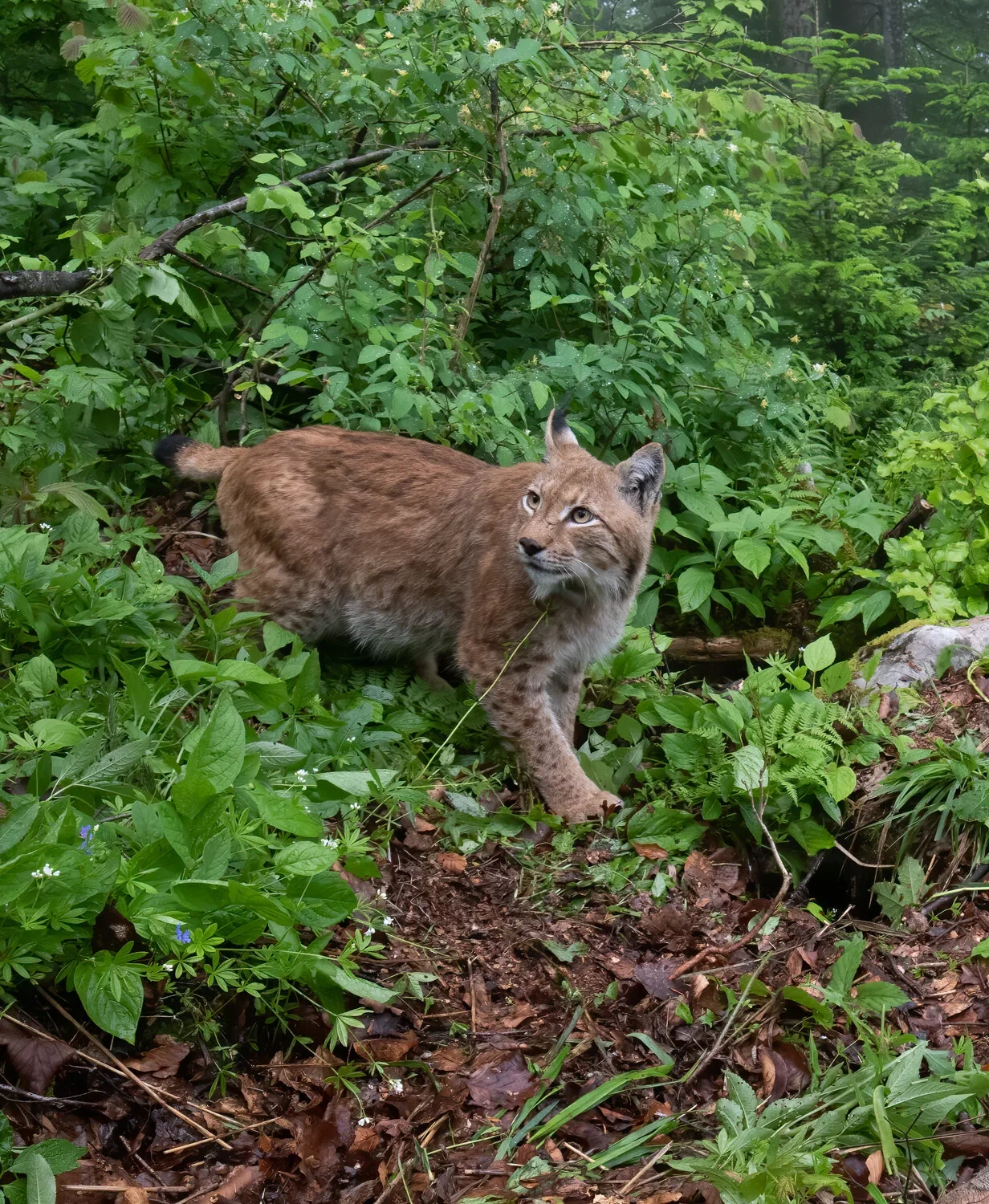
Goru at a Roe Deer Kill
So, what does the future hold? The project aims to now improve connectivity for lynx, increasing the chances of natural gene flow by creating a population ‘steppingstone’. Tomaž Skrbinšek explains, “long-term this population is going to need geneflow, connecting to other populations”. “This is why we also releasing steppingstone populations, so lynx will to be released in the Julian Alps between the Dinarics and the Alps”. “There’s no golden bullet, it’s a long-term commitment to try and keep this population healthy”. “This was a difficult message to get through, and it still is”, he warns. However, Tomaž, is proud of the Trans-European collaboration aspect of the project, established by SFS as the leading partner, and believes that wildlife conservation in general ought to follow this approach, “getting so many people from different countries, different organisations, to work together, towards a conservation goal, that’s the part that gives me most hope”. “I believe we will succeed, but even if things don’t go as planned, even being able to do this, is amazing”. “Typically, if we’re lucky, conservation has been done within national borders, often within regional borders, and this is not how nature works, animals don’t care about our borders”, “we need to keep working on this paradigm shift, of doing conservation on this scale”. “People tend to be narrow on their focus, it tends to be ‘our lynx’, but that is an oxymoron, a lynx doesn’t carry a passport”.
Stanko Anzeljc is also cautious about the future, “the system of media reports should be changed, and not just for lynx but for all other large carnivores”.” Some of the media here presents large carnivores as blood thirsty creatures, which is not true”. Irena Kavčič thinks the future is dependent on public support, remarking “It’s a thin line between positive and negative”, Urša Marinko conjects “It’s important for us to engage the indifferent groups”. “There is a part of people that are indifferent”. “These are the groups that can really quickly swing from positive to negative, so these are the groups we have to engage in a positive manner”.
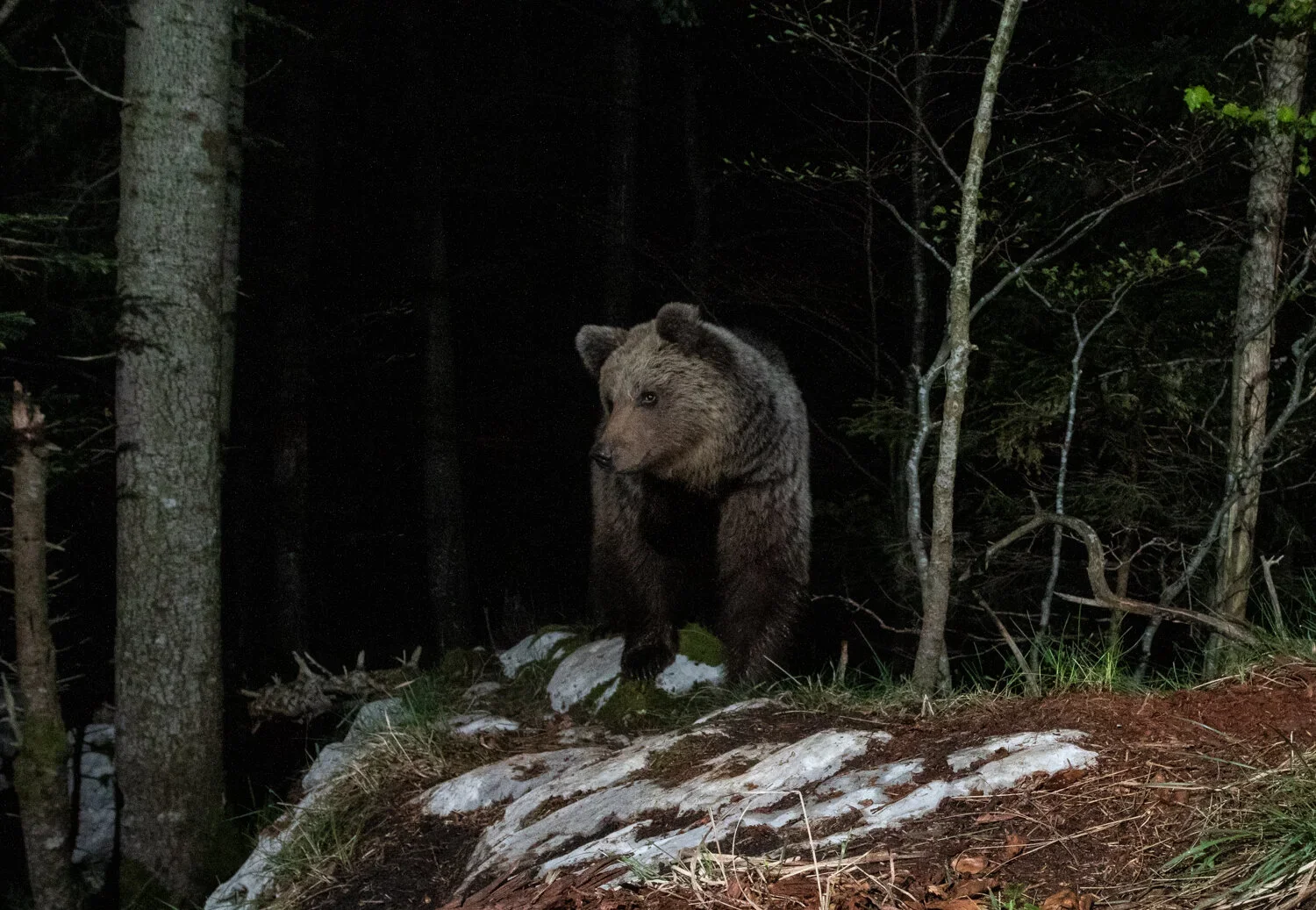
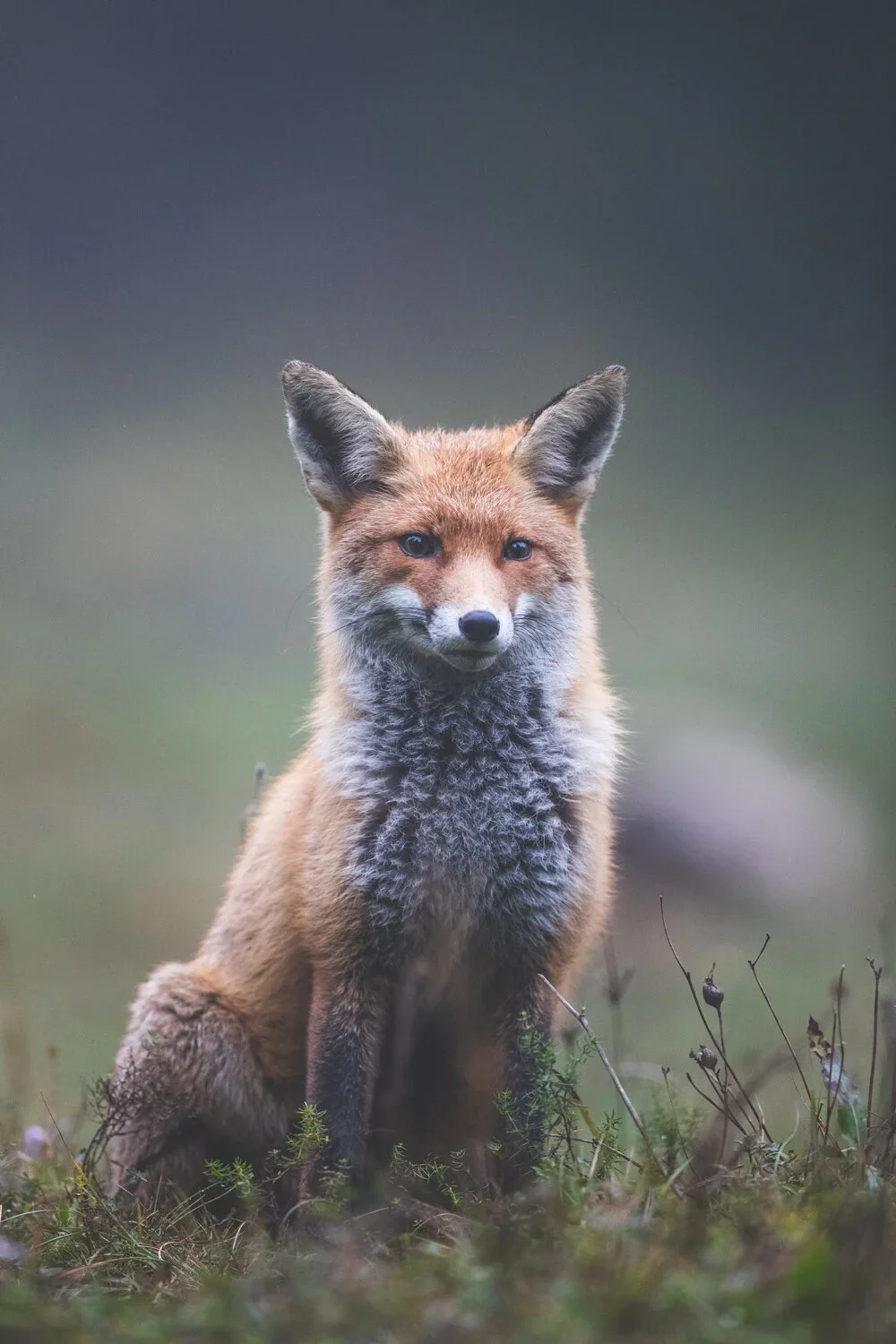
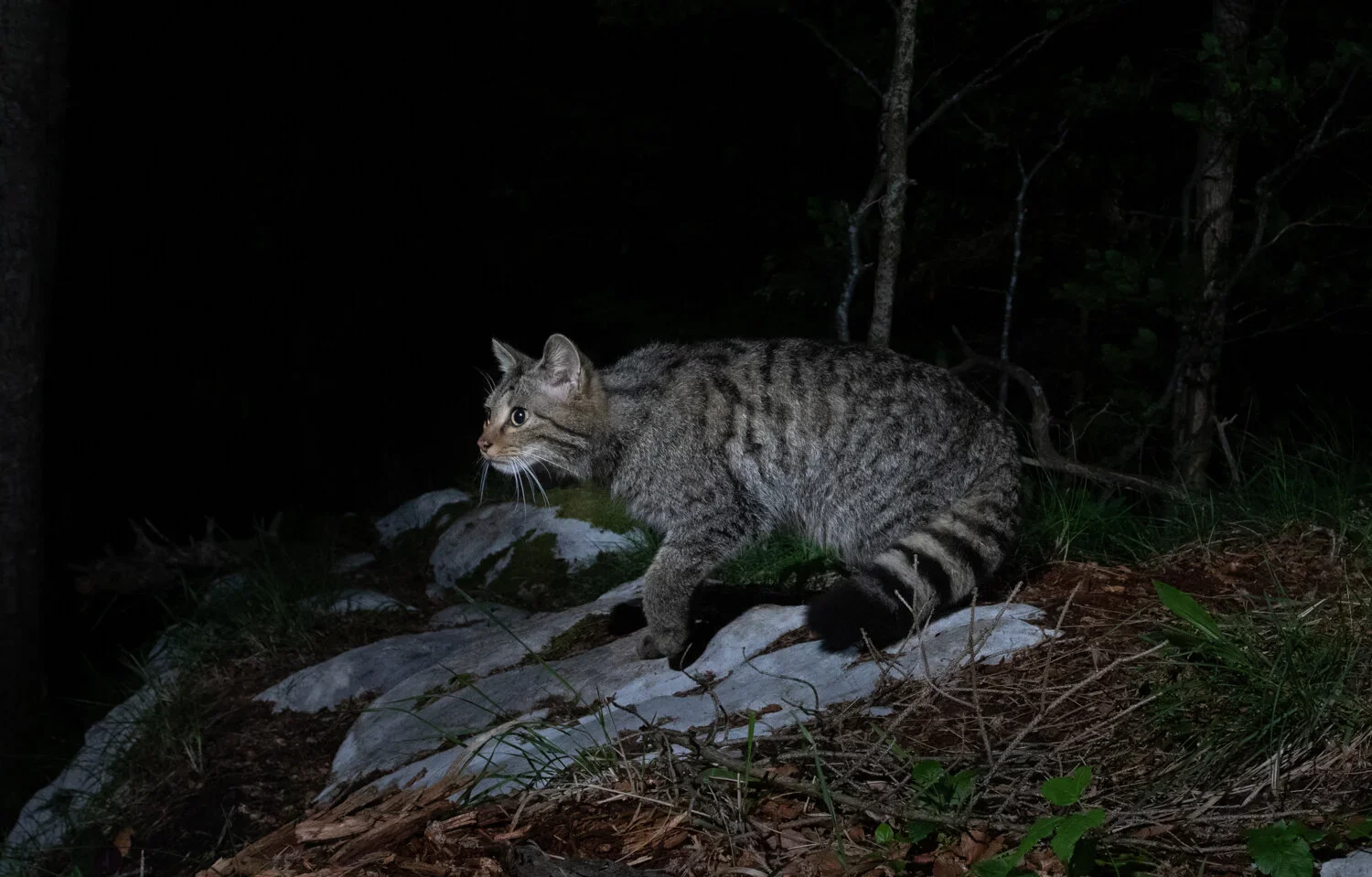
Rok Černe believes that the project will not be a success without the support of hunters, “if they accept the lynx, then the lynx will stay in the forest, if not, then it will not stay”, “their support if crucial” he adds. Teresa Oliveira believes that hunters are very important for lynx survival in Slovenia, “lynx survival depends on several aspects, including human factors”.” An active and positive involvement by the hunters in lynx conservation would be helpful to minimize these factors, as they can contribute, for instance, with lynx monitoring and habitat management and protection”. “Without hunters support, lynx survival would definitively be harder”. Teresa continues, “a great effort is required from several institutions and organizations, to prevent several issues affecting lynx survival such as illegal poaching”. The Slovenian Hunting Association is already one step ahead in this aspect, with the creation, and training, of a special lynx, and wildlife crime, police unit. “We now have zero tolerance for illegal killing” declares Srečko Žerjav, defiantly. Lan is more optimistic, “to be honest, I see a bright future for the species”, “If this project is successful and if we can build some green bridges over the highways in the future to enable gene flow between Dinaric and Alp population, then I think we are on the right path -long term”. “So, this is my hope- that everything will be as it should”. “For now, I don’t have any fears, but that could change in the future if some things don’t go out as planned or if some drastic change in politics and management is made”. “But I am optimistic”. Rok Černe is optimistic too, and happy with the way the project is progressing, “before the project started, if I could’ve envisioned where we are now, then I would’ve been very happy”, “ the project is turning out great, we just need the females” he says with a laugh.
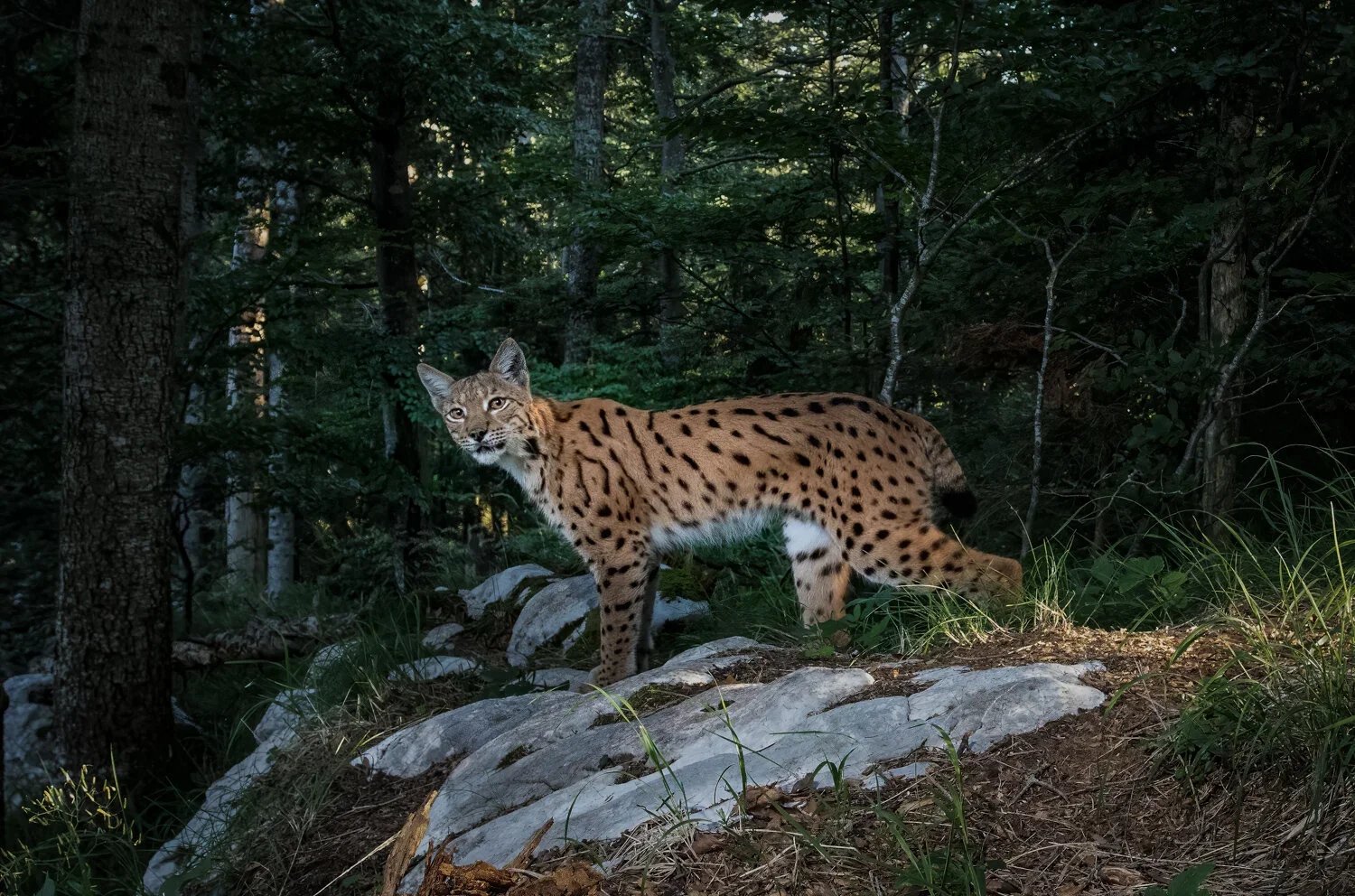
The plan to recapture Goru, began in late June 2020, with his GPS collar settings changed so that location notifications were more frequent, to detect kill sites more quickly, which means a fresher kill, which increases the chances of recapture Lynx cannot consume their ungulate prey in one day, they return over several days. The plan was to use foot snares, on a fresh predation, and hope that he would return. Towards the end of July Lan and the team, led by Miha Krofel, got their chance. The day began with Lan checking Goru’s collar data, and the realization that he might have made a fresh kill quite close by. Amazingly, while checking the location, Lan came face to face with his friend and teacher, once more. “I heard something. I checked on my left side and I saw some movement. I went a little bit further to a better viewpoint and there it was, my old friend Goru. He saw me and then he disappeared in the forest like a ghost”. Not too far from where he’d seen Goru, Lan found a very fresh kill, with only part of the hind leg eaten. Foot snares were placed around the carcass, which was fixed into place to prevent it being taken away, and an alarm was set. Then the team waited nearby. Hours passed, and no alarm. When checking the site, the morning after, Goru had craftily managed to evade the foot snares and feast on his kill, but he’d left enough for the team to be hopeful he’d return. Just before 9pm, on the second night notification was received that the trap had been triggered. The team rushed to the site to find Goru captured. A net was used to cover Goru, and a vet administered sedatives. He was measured and weighed, had a blood sample taken, and most importantly was fitted with a new collar. He was then left alone to wake up. Lan stayed nearby, alone in the forest, to check on him. “it was a very intimate moment, just me and Goru under the stars in the forest. My thoughts went back to winter 2019 in Romania, when we trapped him as the first lynx of the project and how he truly succeeded and did what we hoped he would (mating, establishing territory). He is the main lynx ambassador in LIFE Lynx project for sure. After half an hour he started to move and with clumsy step, he went away. I also left the place, feeling very happy and privileged to be part of this lynx story. Those were the moments I will never forget”. In the following days locations were received from the new collar showing that he is moving normally. The collar will drop off in summer 2022 and then Goru will be left alone. This was the last sacrifice he made for the species. “We have no doubt that he will provide us with more valuable information that will contribute to a better knowledge of the lynx” concludes Lan.
Thanks a lot for reading, and please share this article with anyone or any organisation that you think may be interested. We want to say a huge thank you to everyone we interviewed and provided us with great insight into this amazing conservation project!
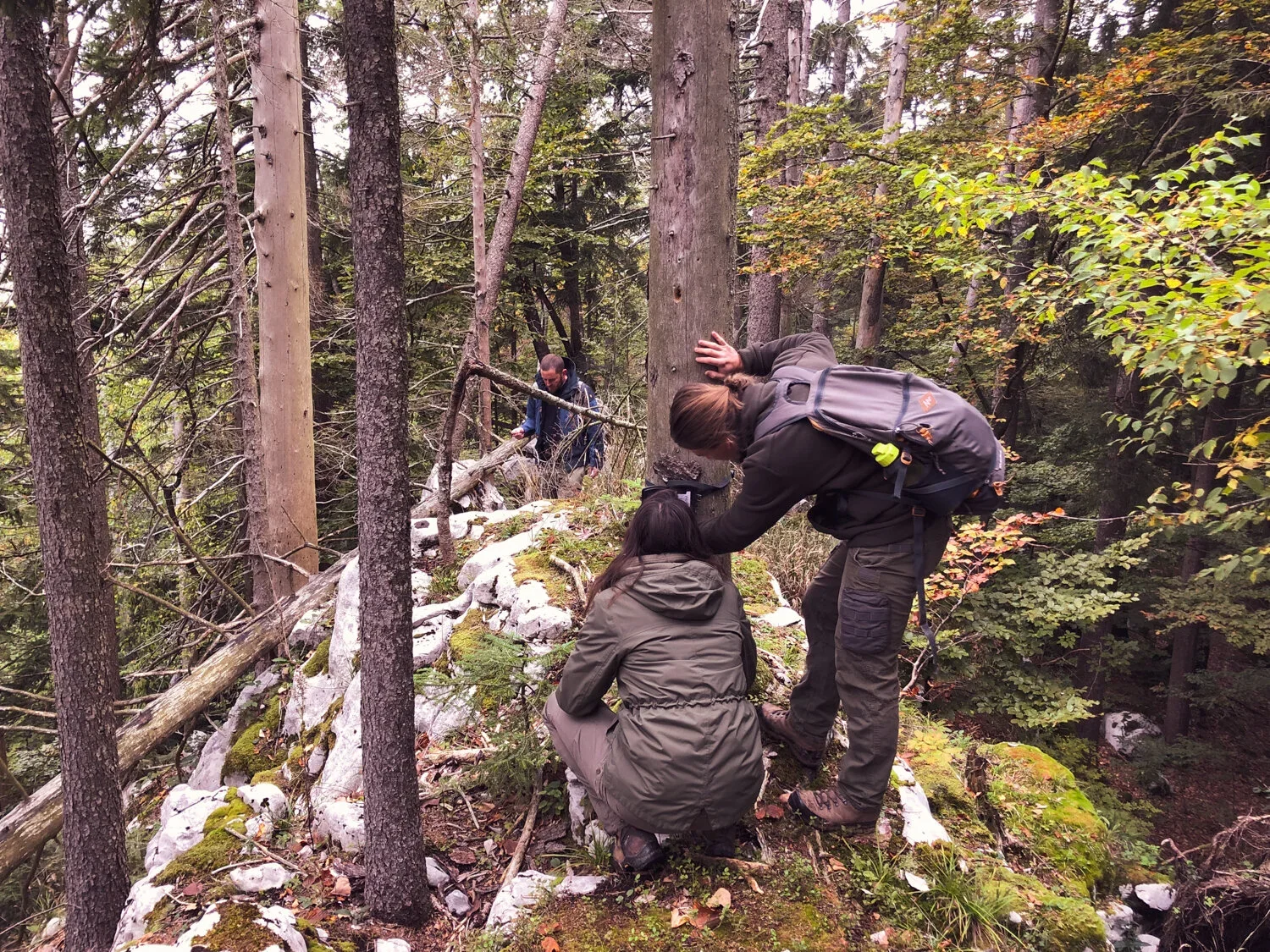
Here are some more images from behind the scenes. We hope you enjoy!
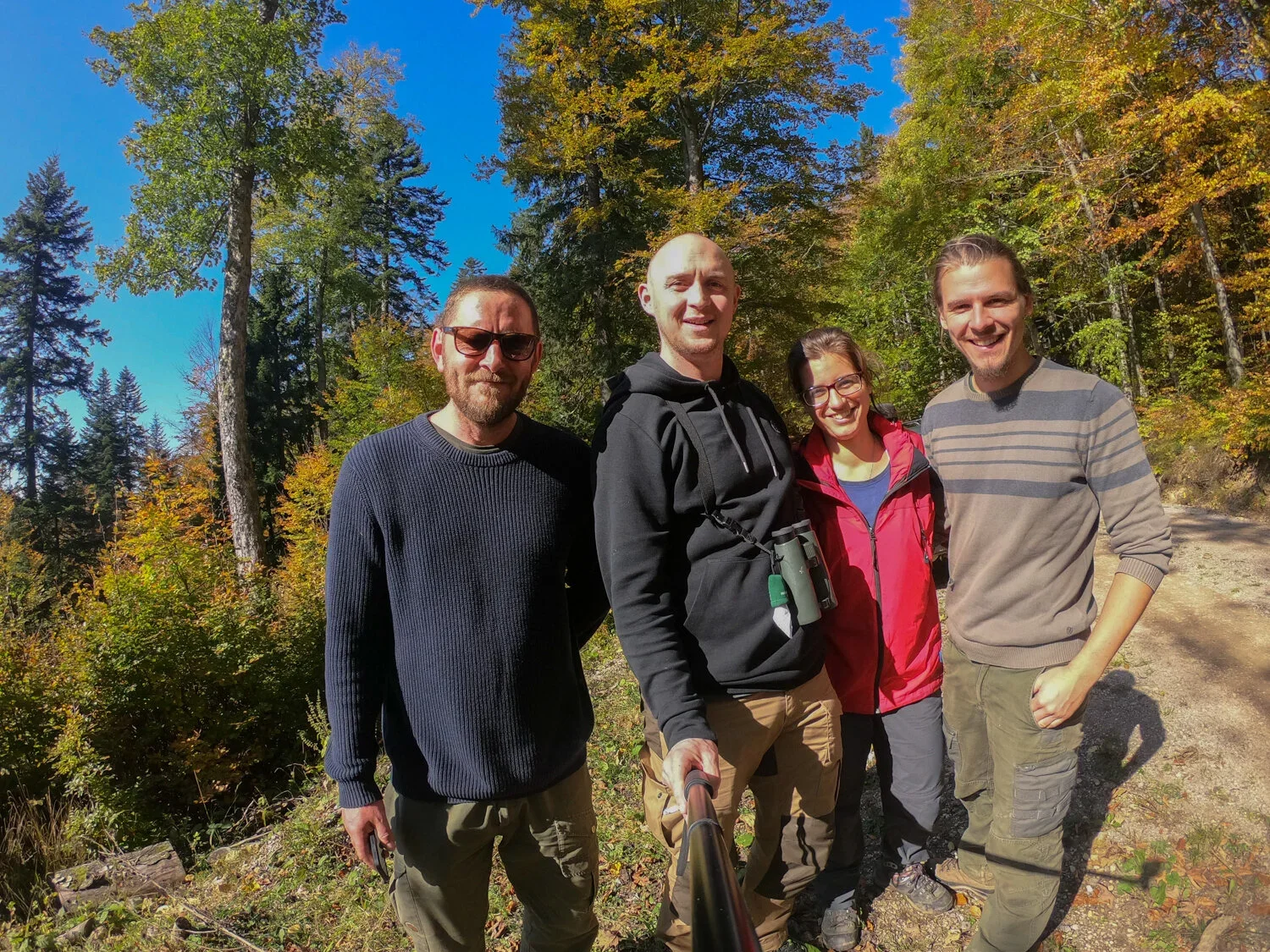
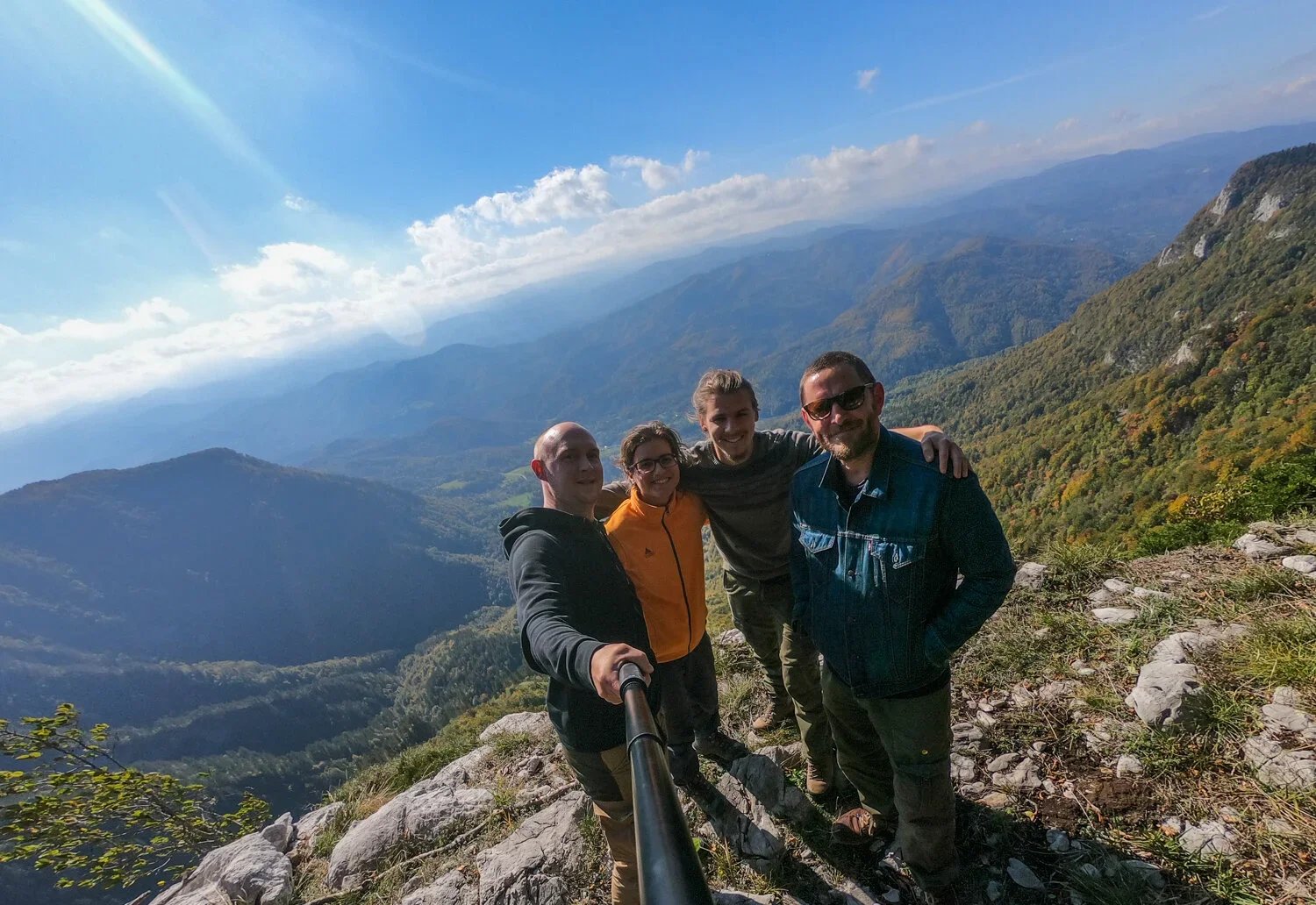
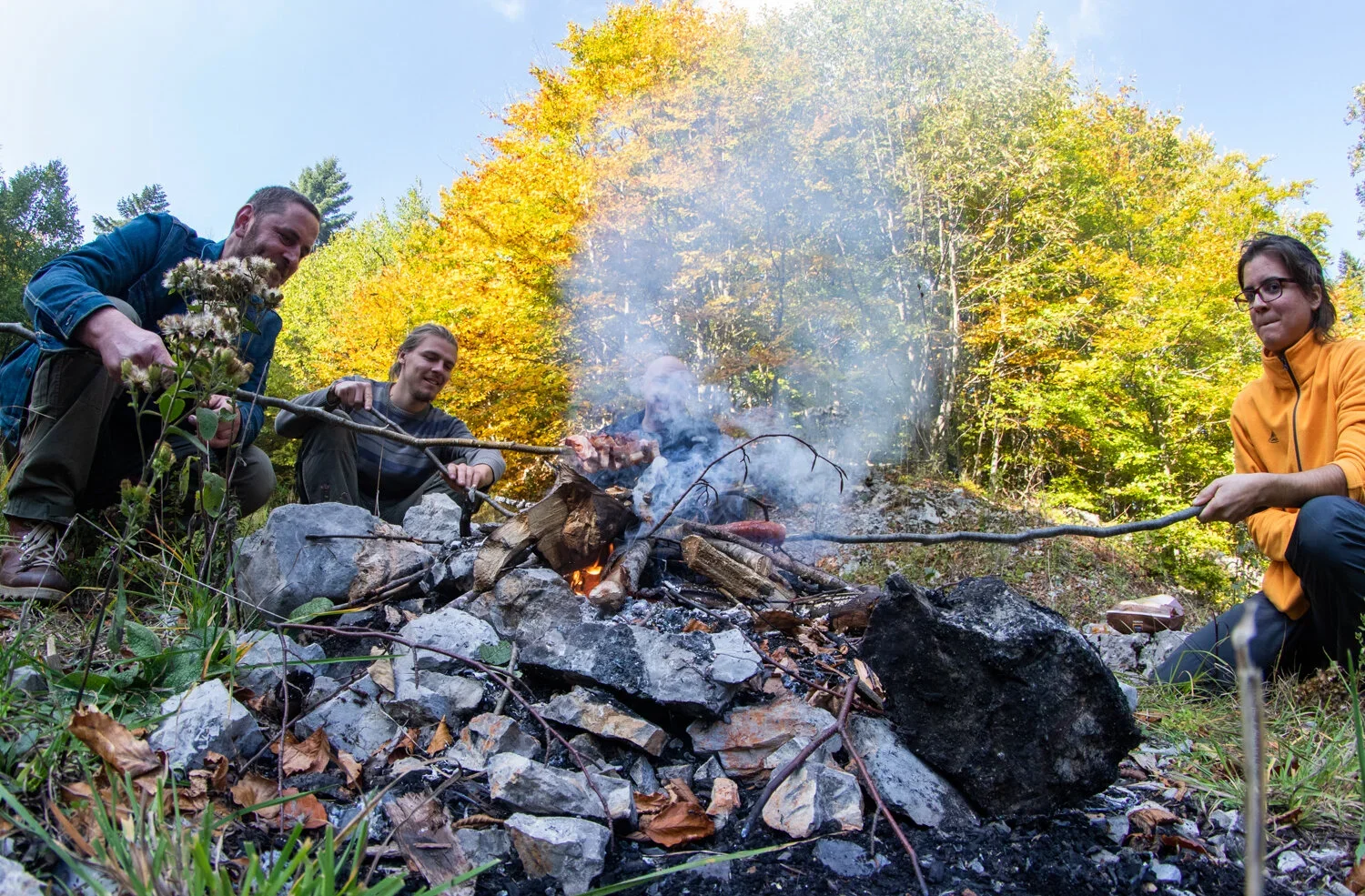
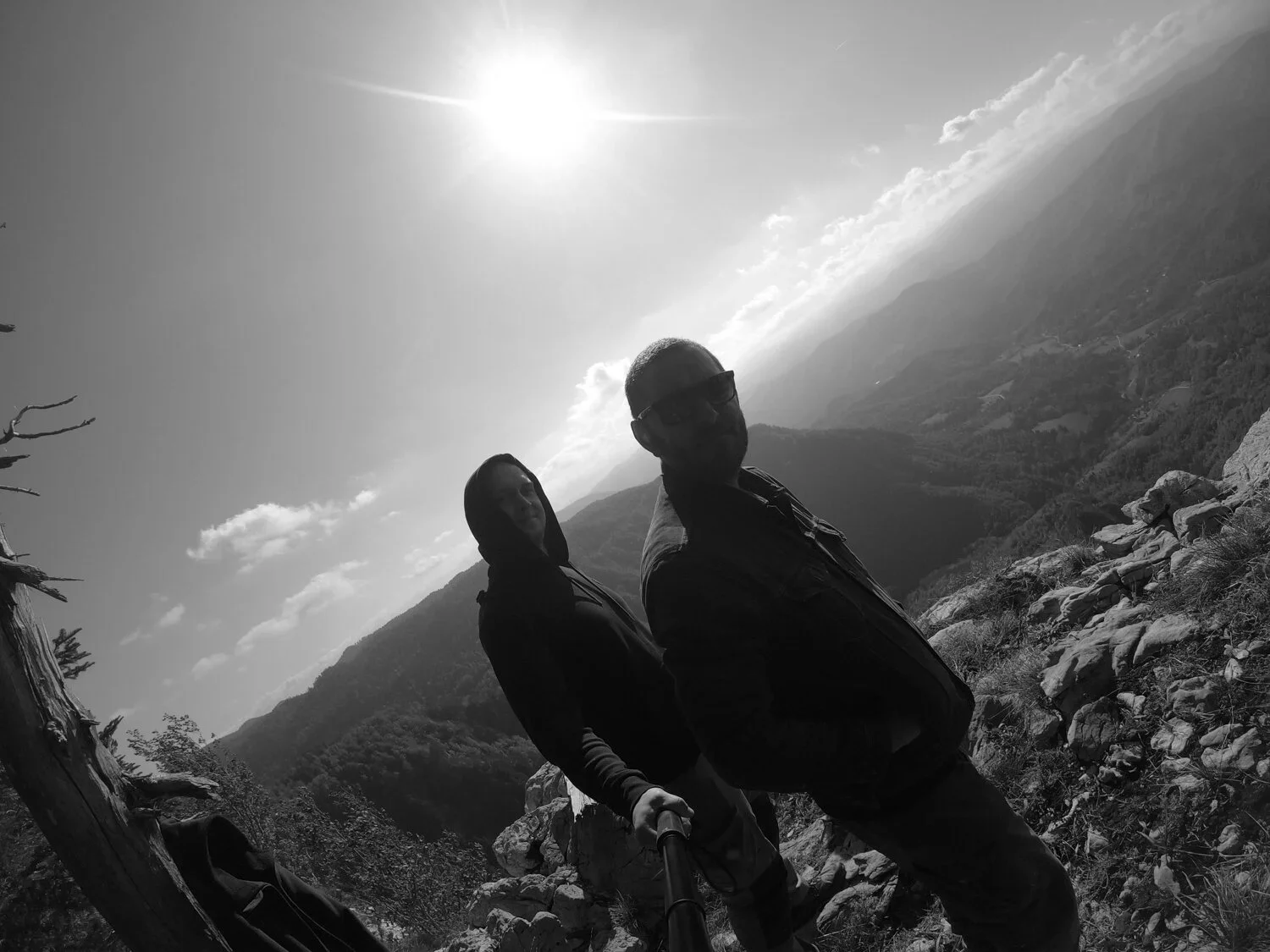
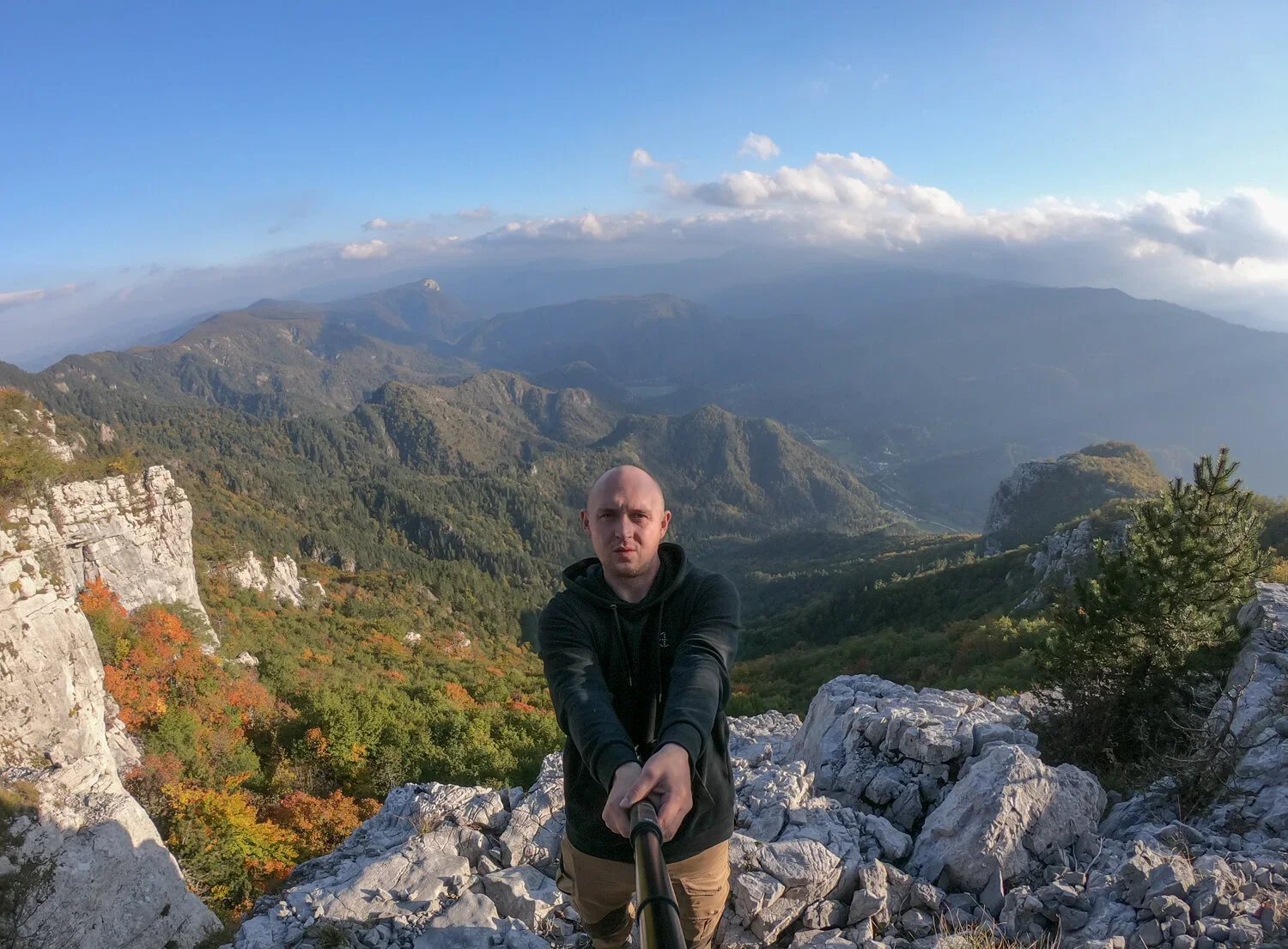
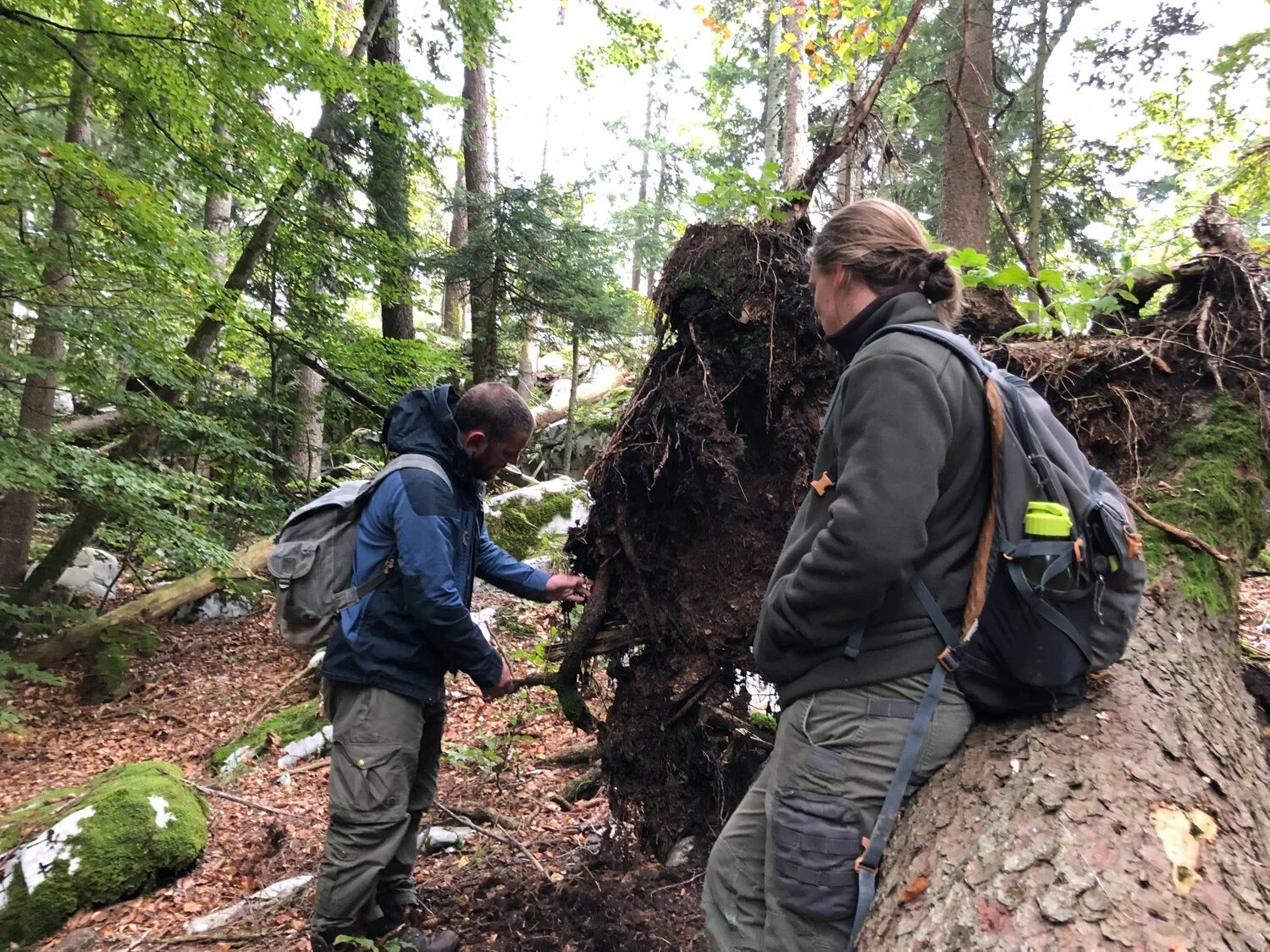
The team, from left to right: Michael Willett, Jay Knight, Teresa Oliveira, Lan Hočevar